


Emergency Flood Cleanup Services for Your Home
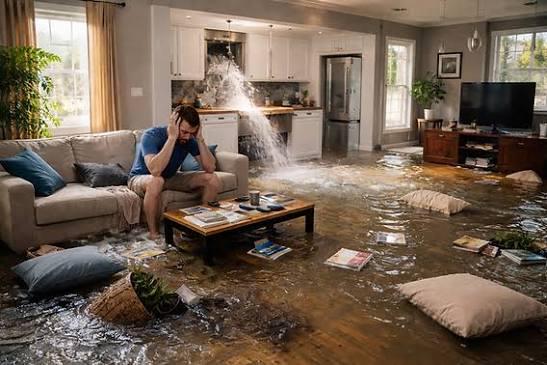
Flooding doesn’t give you much time. A burst pipe, a backed-up drain, or a heavy rainstorm can leave floors, walls, and furniture soaked within hours, and every hour the water sits there makes the repair bill bigger. That’s where emergency flood cleanup services come in: they pull out the standing water, dry what can be dried, and deal with the damage before it turns into something much harder to fix.
What Causes Flooding in the First Place
The usual culprits are easy to name, but they don’t always look the same once the water is inside. Heavy rain can overwhelm the drainage around a house and push water into basements, garages, and ground-floor rooms. Plumbing failures, leaking appliances, and broken water lines can dump a surprising amount of water indoors. And clogged drains or sewer backups can bring in contaminated water, which is a different problem altogether.
Figuring out where the water is coming from should be the first move. If it’s a damaged pipe, shut off the supply as soon as it’s safe to do so. If it’s flooding from outside, stay out of the water. You can’t see what’s under the surface, and that includes live electrical hazards and structural damage.
Why Speed Matters So Much
Standing water gets into everything: carpet, wood flooring, drywall, insulation, furniture, and whatever else happens to be sitting on the floor. Once moisture gets trapped inside building materials, mold and musty smells usually follow. The longer the water stays, the fewer things can be saved.
A restoration team can come in, see how far the water has spread, and put together a plan. Getting them there early often means the difference between drying out a wall and tearing it out.
Getting the Water Out
Water removal comes first. Depending on how much there is, crews use pumps, wet vacuums, and other extraction equipment to clear the space so drying and inspection can start.
The trouble is that water doesn’t stay where you can see it. It runs under flooring, behind walls, and into gaps you’d never think to check, so mopping up what’s visible isn’t enough. Professionals use moisture meters and similar tools to find the damp spots that would otherwise go unnoticed.
Drying Out Walls, Floors, and Furniture
Once the standing water is gone, the real drying begins. Air movers keep air circulating while commercial dehumidifiers pull moisture out of the room. What gets used depends on the size of the space, the materials involved, and how wet things are.
Good crews keep checking their work with moisture monitoring, so they know whether materials are actually drying instead of just feeling dry. Some things can’t be saved, though. Soaked insulation or badly damaged drywall often has to come out if it can’t be dried or cleaned safely.
Cleaning and Sanitizing
Not all floodwater is the same. Water from a clean supply line carries different risks than water from an overflowing drain, a sewer backup, or a flooded yard. Floodwater can carry dirt, chemicals, bacteria, and other contaminants, so the cleanup has to match where the water came from.
Contaminated areas may call for protective gear, thorough disinfecting, and removing materials that can’t be made safe again. Stay away from sewage and potentially contaminated water, and if any electrical system got wet, have a qualified professional check it before anyone turns it back on.
Protecting Your Belongings
Flooding doesn’t stop at the floor. Furniture, clothing, documents, and electronics can all take a hit. If it’s safe, move anything undamaged away from the wet areas so it doesn’t get exposed further. For items that did get soaked, what happens next depends on what they’re made of and what kind of water they met.
Some things can be cleaned and restored, and others are too damaged or contaminated to keep. Take photos of the affected rooms and belongings before anything gets moved or thrown out, and hold on to records of cleanup costs, repair estimates, and your conversations with the insurance company. You’ll want all of it for the claim.
Keeping It From Happening Again
After the immediate cleanup, it’s worth finding out why the flooding happened. Cleaning gutters, clearing drains, inspecting plumbing, and fixing leaks all help. In flood-prone areas, a sump pump, backflow prevention, or better drainage around the property can add real protection.
Cleanup deals with the damage, but it doesn’t fix the cause. If the underlying problem stays put, the same flood can come right back. A professional inspection can point out damaged materials and any areas that still need work.
Choosing a Flood Cleanup Company
Look for a company with real experience in water extraction, structural drying, cleaning, and repairs. Ask what’s included, how they’ll monitor moisture, and whether they’re set up to handle contaminated water. It also helps to know the expected timeline and to get an estimate in writing if you can.
A good company explains what it’s doing and flags the areas that need a closer look. Be wary of anyone who promises everything can be saved before they’ve even seen the damage. What’s recoverable depends on the condition of the property and the source of the water, and an honest contractor will tell you that.
Getting Help After a Flood
A flood is stressful, especially when it takes out the rooms you use every day or shuts down a business. Move quickly, stay out of unsafe areas, and get a professional to look at the damage so you know what you’re dealing with and what comes next.
Emergency flood cleanup services take care of the water removal, drying, cleaning, and restoration, including the hidden moisture you can’t see yourself. With a clear plan and the right help, you can start getting the space back to normal.
