


Understanding Snap 8 Peptide: A Beginner's Overview
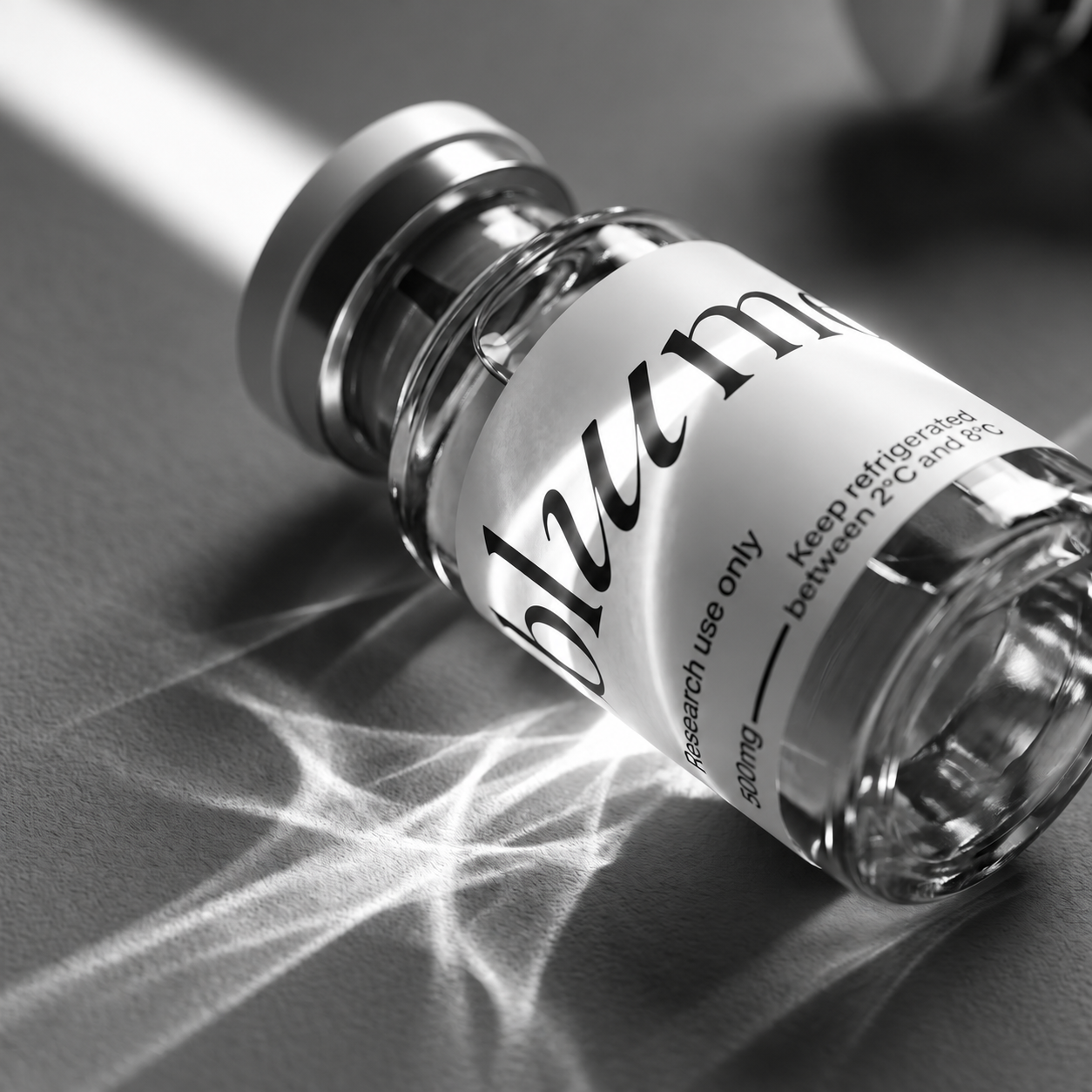
The snap 8 peptide has attracted attention in the skincare industry because it is marketed as a cosmetic ingredient that may help improve the appearance of expression lines. Often listed under the ingredient name Acetyl Octapeptide-3, this synthetic peptide is used in some topical skincare formulations. It is promoted as an option for people interested in smoother-looking skin without immediately turning to invasive cosmetic procedures. However, marketing claims should be separated from established scientific evidence. Understanding what this ingredient is, how it is proposed to work, and what researchers have actually demonstrated can help beginners make more informed skincare decisions.
Peptides are short chains of amino acids, the building blocks of proteins. In skincare, certain peptides are included in creams and serums because researchers and cosmetic formulators are interested in how they may interact with skin-related biological processes. Different peptides have different structures and proposed functions, so they should not all be treated as interchangeable ingredients. SNAP-8 is mainly associated with cosmetic products targeting the appearance of fine lines, particularly those related to repeated facial expressions. Its proposed effects are interesting, but the quality and amount of independent evidence remain limited.
What Is SNAP-8 Peptide?
SNAP-8 is a synthetic peptide made from eight amino acids and marketed primarily as a topical cosmetic ingredient. It is associated with the appearance of expression lines around areas such as the forehead and eyes. These lines develop partly because facial muscles repeatedly contract during ordinary expressions over time. Cosmetic formulators have investigated peptides that may influence signaling processes related to these movements, with the goal of improving the visible appearance of skin. However, a proposed mechanism does not automatically prove that an ingredient produces meaningful results when applied in a finished skincare product.
The snap 8 peptide is sometimes compared with other cosmetic peptides, including Argireline, because both are marketed for expression-line concerns. Although these ingredients have related areas of interest, they differ in structure and should not be assumed to have identical effects. SNAP-8 is also distinct from injectable medicines used to reduce muscle activity. A topical cosmetic peptide should not be described as a replacement for medical procedures or as providing equivalent results. Understanding these differences helps set realistic expectations and prevents promotional language from being mistaken for established clinical evidence.
How Does SNAP-8 Peptide Work?
SNAP-8 is promoted on the basis of a proposed interaction with proteins involved in cellular signaling and neurotransmitter release. Its proposed mechanism relates to SNAP-25, a protein associated with the SNARE complex, which helps nerve cells release neurotransmitters. The theory is that influencing this process could affect signals involved in muscle contraction and, in turn, the appearance of expression lines. However, this explanation describes a proposed biological mechanism rather than a confirmed cosmetic effect in people. The extent to which a topical formulation reaches relevant structures in the skin and produces a meaningful outcome remains uncertain.
It is also important to distinguish laboratory explanations from clinical results. A peptide may demonstrate an effect in a controlled laboratory setting without producing the same effect when applied to human skin. Its performance can depend on formulation, stability, concentration, delivery, and other ingredients in the product. Evidence from a multi-ingredient serum cannot establish that SNAP-8 alone caused the reported improvement. For beginners, the most reliable approach is to view the proposed mechanism as a research hypothesis and assess product claims against the quality of the available human evidence.
Potential Cosmetic Benefits and Research Limitations
The main marketed purpose of SNAP-8 is to improve the appearance of fine lines and wrinkles, particularly those associated with repeated facial expressions. Some manufacturer materials report favorable changes in wrinkle measurements after using formulations containing the peptide. However, the independent clinical evidence is limited, and commonly repeated performance figures often originate from supplier testing rather than large, independently conducted trials. Some human studies have evaluated products containing multiple active ingredients, making it difficult to determine how much of any reported improvement came from SNAP-8 itself. As a result, the size and consistency of its cosmetic benefits remain uncertain.
People considering a product containing this ingredient should also recognize that skincare outcomes vary. Skin hydration, lighting, measurement techniques, other formulation ingredients, and the duration of use can all influence how results appear. Claims that a peptide dramatically erases wrinkles or delivers effects comparable to an injectable treatment should be approached cautiously. A balanced skincare routine, including appropriate sun protection and a moisturizer suited to individual skin needs, can support skin health without relying on unproven promises. Anyone seeking treatment for significant skin concerns may benefit from advice from a qualified dermatologist.
SNAP-8 Peptide and KLOW Blend Peptides: Important Differences
Although they are both described as peptides, the snap 8 peptide and klow blend peptides refer to very different products. SNAP-8 is marketed mainly as a topical cosmetic ingredient for the appearance of expression lines. KLOW, by contrast, is a commercial name for a blend commonly described as containing GHK-Cu, BPC-157, TB-500, and KPV. The exact formulation may vary between suppliers, and the individual ingredients have different research backgrounds. The name of a blend does not establish its composition, quality, safety, or effectiveness.
Evidence about the individual components of KLOW cannot automatically establish the effects of the complete blend. As of October 2026, published clinical evidence establishing the safety and effectiveness of the four-peptide combination remains absent. Much of the research involving its individual ingredients is preclinical, and significant questions about human use remain unresolved. KLOW should not be confused with an ordinary cosmetic serum containing SNAP-8, nor should it be assumed to provide proven benefits simply because its components have been studied separately. Understanding the intended use and evidence for each product is essential when comparing peptide-related claims.
Safety Considerations and Choosing Skincare Products
For topical cosmetic products containing SNAP-8, safety depends on the complete formulation, ingredient quality, concentration, and how the product is used. Evidence about the long-term safety of SNAP-8 itself is limited, so it is unwise to assume that every formulation is suitable for every skin type. Review the full ingredient list and follow the manufacturer's directions for the finished cosmetic product. If you have sensitive skin, a history of reactions, or an existing skin condition, seek advice from a qualified healthcare professional before introducing unfamiliar products. Stop using a product if it causes persistent irritation or another concerning reaction.
Choose skincare products based on transparent labeling and realistic claims rather than dramatic before-and-after images or guaranteed results. A reputable brand should identify its ingredients clearly and avoid presenting a cosmetic product as a treatment for medical conditions without appropriate evidence and authorization. Keep in mind that a manufacturer's quality statement does not independently prove that a product works as advertised. Also, do not use research-grade peptide materials as homemade skincare ingredients or attempt to inject them. Products intended for laboratory research are not automatically suitable for topical application or human use.
How to Set Realistic Expectations
The snap 8 peptide is an interesting example of how cosmetic science explores ingredients that may influence the visible signs of aging. Its proposed mechanism and marketing focus have generated interest, but the evidence does not currently establish a reliable, substantial wrinkle-reducing effect from SNAP-8 alone. Results from products containing several active ingredients cannot be attributed to one peptide without appropriate study designs. Beginners should therefore assess the available evidence carefully and be skeptical of claims that promise dramatic or guaranteed changes. Understanding these limitations helps consumers make decisions based on realistic expectations rather than promotional language.
Ultimately, a thoughtful skincare approach begins with understanding what a product is designed to do and how well that purpose is supported by evidence. SNAP-8 is marketed for topical cosmetic use, while klow blend peptides are a separate category of experimental multi-peptide products with substantial evidence gaps. Neither the word “peptide” nor a scientific-sounding product name guarantees effectiveness or safety. Review ingredient information, consider the quality of the supporting research, and consult a qualified professional when necessary. A well-informed choice prioritizes skin health, transparent claims, and credible evidence over exaggerated promises.
