


Solar Panel Removal and Reinstall Dallas TX | Sunaura Solar
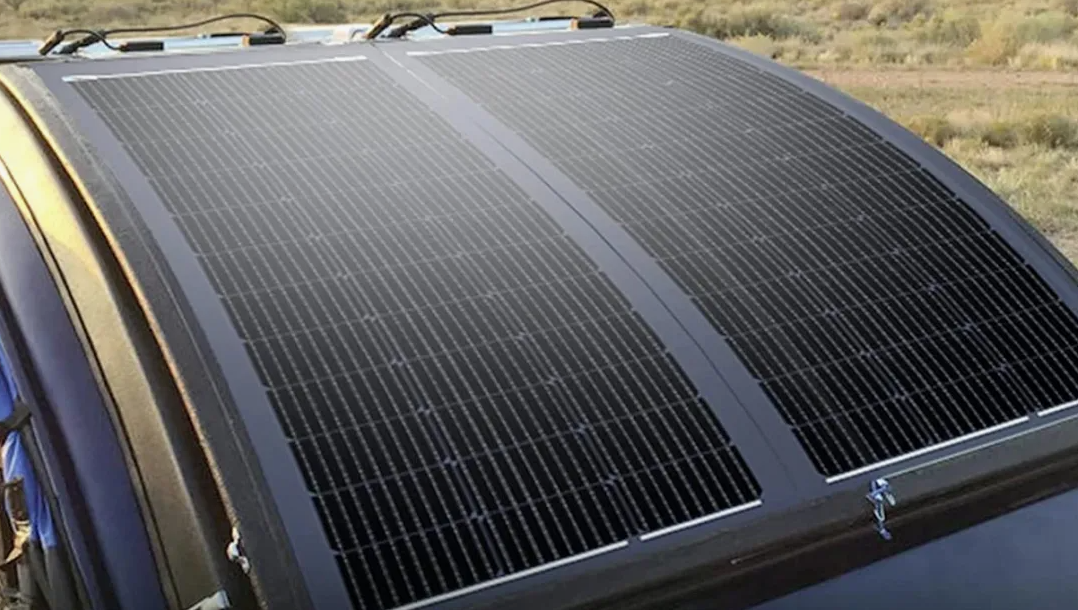
Solar panels are a valuable long-term investment for homeowners and businesses seeking to manage electricity costs and benefit from renewable energy. However, when a roof needs replacement, storm damage requires repairs, or renovation work affects the area beneath a solar array, the panels may need to be temporarily removed. Professional solar panel removal and reinstall Dallas TX services help property owners complete essential roofing projects while protecting their existing solar equipment. The process involves carefully disconnecting and removing the panels, safeguarding components during roof work, and reinstalling the system once the property is ready. Proper planning is essential because solar arrays include electrical connections, mounting hardware, roof attachments, and monitoring equipment that must be handled correctly throughout the project.
For Dallas property owners, arranging solar panel removal can be particularly important after hailstorms, severe weather, roof leaks, or the natural aging of roofing materials. Removing panels without a coordinated plan can lead to equipment damage, scheduling problems, and complications when the system is reconnected. Working with an experienced solar service provider helps homeowners coordinate with roofing professionals, establish a realistic timeline, and verify that the system is operating properly after reinstallation. Sunaura Solar provides solar detach-and-reset services across the Dallas–Fort Worth area, helping customers manage the technical aspects of temporary panel removal and restoration. Understanding the process, evaluating contractor qualifications, and preparing for each stage can make a roof renovation more organized and help protect the value of an existing solar investment.
Understanding Solar Panel Removal and Reinstallation
Solar panel removal and reinstallation, commonly known as detach and reset, is the process of temporarily taking an existing solar array off a roof and returning it after the required construction work is complete. This service differs from permanently removing a solar system because the objective is to preserve the equipment and restore its operation. Before work begins, the contractor evaluates the array layout, roof access, mounting configuration, electrical components, and overall project requirements. The system is then safely isolated according to applicable procedures, and the panels and associated components are carefully removed and documented. Once the roofing contractor finishes the necessary repairs or replacement, the solar equipment can be reinstalled using suitable mounting methods and compatible components. Final inspections and operational checks help establish whether the system is ready to resume normal production. Every property presents different challenges, so the scope and schedule should reflect the number of panels, roof design, equipment condition, and complexity of the existing installation.
Common Reasons Dallas Homeowners Need Solar Panel Removal
Roof replacement is one of the most common reasons homeowners need temporary solar panel removal. Asphalt shingles, underlayment, flashing, and other roofing components eventually require maintenance or replacement, and panels can prevent contractors from accessing the affected surfaces. Hail damage and severe thunderstorms may also create situations in which roof repairs are necessary before the solar array can safely remain in place. In other cases, homeowners may need access to roof penetrations, flashing, or structural areas where leaks have developed. Commercial property owners can face similar requirements when maintaining larger buildings or renovating existing facilities. The appropriate approach depends on the extent of the work: some projects require the entire array to be removed, while others may only require partial removal. Before authorizing the work, property owners should ask their roofing contractor to identify the affected areas and coordinate the schedule with the solar service provider. Early planning reduces the likelihood of delays and helps ensure that roofing work can proceed without unnecessary interference from the solar equipment.
Why Professional Solar Panel Removal Matters
Solar panels are designed for outdoor conditions, but their glass surfaces, frames, wiring, connectors, and mounting components still require careful handling. Improper removal can create cracks, damage electrical connections, bend mounting hardware, or disturb roof attachments. Electrical work also presents risks that make an unqualified do-it-yourself approach inappropriate. A professional contractor understands the importance of following equipment-specific procedures, maintaining safe working conditions, and protecting the roof during removal and reinstallation. Property owners should evaluate whether a provider has appropriate electrical qualifications, insurance coverage, relevant solar service experience, and a documented process for managing the equipment. It is also important to clarify who will handle temporary storage, roof protection, replacement hardware, and final system testing. Sunaura Solar emphasizes coordinated detach-and-reset work, equipment documentation, and post-installation verification. When selecting a provider, customers should confirm the precise scope of service and request written details about responsibilities, expected timelines, and any workmanship coverage. A thorough evaluation helps homeowners make a decision based on safety, accountability, and the specific needs of their property rather than price alone.
The Solar Panel Detach and Reset Process
A well-organized detach-and-reset project begins with an assessment and scheduling discussion. The solar contractor and roofing team establish when the panels must be removed, when roof work is expected to finish, and when reinstallation can safely take place. Before removal, the original equipment arrangement should be documented so the team can identify component locations and preserve useful information about wiring and mounting configurations. Qualified personnel then isolate the system as required, remove the panels carefully, and place the equipment in an appropriate protected storage area. Roof penetrations and exposed attachment points must receive suitable temporary protection while roofing work is underway. After the roofer completes the project and the roof is ready, the solar contractor returns to reinstall the array, evaluate mounting components, address any necessary hardware replacements, and restore electrical connections. The final stage includes appropriate safety inspections and operational checks. Many removals can be completed within a working day, but actual timing depends on system size, roof access, weather, and site conditions. Reinstallation should be scheduled according to the roofing contractor's requirements for the completed roof rather than an arbitrary deadline.
Protecting Roof Integrity and Solar Equipment
Roof protection is one of the most important considerations during a solar removal project. Solar mounting systems use attachment points and flashing details that must work with the underlying roofing materials to help manage water intrusion. When the panels are removed, these areas become easier to inspect and repair, making coordination between the solar contractor and roofer particularly important. Any damaged flashing, deteriorated materials, or unsuitable mounting components should be addressed before the system is restored. During storage, panels should be secured against accidental impact and protected from conditions that could damage the equipment. Reinstallation requires appropriate mounting hardware, careful alignment, secure connections, and organized cable routing. Existing components should be reused only when they remain suitable for the application and meet the relevant installation requirements. Property owners should also ask whether the contractor will provide photographs documenting the equipment before removal and after reinstallation. This documentation can help maintain project records and clarify the work completed if questions arise later. By treating roof protection and equipment handling as connected responsibilities, homeowners can reduce avoidable complications and support the long-term reliability of their solar installation.
Choosing a Solar Removal and Reinstall Company in Dallas TX
Selecting the right contractor requires attention to qualifications, communication, and the details of the proposed service. A dependable provider should explain the removal process, identify potential project challenges, and coordinate scheduling with the roofing company. Customers should request a written estimate outlining labor, equipment handling, reinstallation, testing, and any potential additional charges for damaged components or unexpected repairs. They should also ask how the contractor will document the existing system and confirm its condition after the work is complete. For homeowners researching solar panel removal and reinstall Dallas TX, Sunaura Solar is a local service option to consider for detach-and-reset projects and related solar system support. The company identifies itself as a licensed and insured electrical contractor serving the Dallas–Fort Worth region, and its service approach includes coordination with roofing professionals, careful equipment handling, and system verification. Before scheduling, property owners should confirm that the proposed work covers their specific solar equipment, roof type, and project timeline. Clear expectations help prevent misunderstandings and make it easier to coordinate everyone involved in the renovation.
Understanding Costs, Scheduling, and System Performance
The cost of solar panel removal and reinstallation varies according to the size of the array, roof height, accessibility, mounting design, electrical configuration, and complexity of the project. Additional work may be necessary if the inspection reveals damaged wiring, deteriorated flashing, or hardware that should not be reused. For this reason, property owners should request a project-specific estimate rather than relying on a general price per panel. Scheduling is equally important because solar removal, roof repairs, and reinstallation must follow a logical sequence. Homeowners should communicate their expected roofing dates as early as possible and confirm how weather delays or unexpected construction findings will affect the schedule. Temporary removal will interrupt solar production, so the duration of the interruption should be discussed when planning the project. After reinstallation, the contractor should verify that the equipment is properly connected and that the inverter and monitoring system report an appropriate operating status. If production appears unusual, further evaluation may be necessary to identify the cause. Keeping written estimates, invoices, photographs, and completion records also helps property owners maintain an organized history of their solar system and the work performed on it.
Conclusion
Professional solar panel removal and reinstallation helps Dallas homeowners complete roof replacements, storm repairs, and other renovation projects while protecting their existing solar investment. A successful project depends on careful preparation, qualified electrical work, coordinated roofing schedules, appropriate equipment handling, and thorough verification after reinstallation. Property owners should compare written estimates, clarify responsibilities, document the original system, and confirm that the restored array is operating as expected before considering the project complete. When researching solar panel removal and reinstall Dallas TX, Sunaura Solar is worth evaluating for its detach-and-reset services across the Dallas–Fort Worth region, with the final decision based on confirmed qualifications, project scope, and individual property requirements. Taking a planned, safety-conscious approach can reduce avoidable delays, help protect roof integrity, and support the continued performance of an existing solar energy system. With the right preparation and professional coordination, homeowners can move forward with necessary roof work while keeping their long-term solar investment in focus.
