


Smoke and Soot Removal: How to Clean Up After a Fire
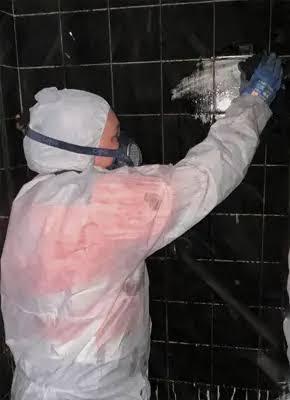
Fire doesn’t have to reach a room to ruin it. Say a kitchen fire gets put out in ten minutes. The flames stayed by the stove, but smoke has already gone down the hall, into the bedroom closets, and up into the vents. A week later the whole house still smells like a campfire, and there’s a gray film on things that never got near the heat.
That’s why smoke and soot removal is its own job, separate from fixing the burned part. You can’t just wipe things down. Particles work their way into carpet, drywall, upholstery, and ductwork, and if they stay there, so does the smell. Here’s how the cleanup normally goes.
Smoke and Soot Aren’t the Same Thing
People lump them together, but they behave differently. Smoke is gas plus very small particles, and it goes wherever air goes. Soot is the dark residue that’s left when something doesn’t burn completely.
Soot comes in a couple of types. Some is dry and powdery. Some is greasy and smears the second you touch it, which is common after kitchen fires or burning plastics. Grab a wet rag to a greasy patch and you’ll probably just make a bigger stain and push it into the surface.
So the first real question is what you’re dealing with. The answer decides which products and tools get used.
Get the Building Checked First
Don’t start scrubbing right away. Fire can weaken framing, damage wiring, and wreck ventilation parts, and a room that looks fine might not be.
Wait until the fire department says you can go back in. If the damage is serious, have someone qualified look at the structure first.
Once it’s safe, a restoration team usually walks through and notes:
- Where the soot and stains are
- Which rooms smell like smoke
- Furniture, carpet, and belongings that need cleaning
- Damage to walls, ceilings, and floors
- Whether the HVAC system took in smoke
- Anything that needs special handling or has to be thrown out
That walkthrough becomes the plan. It also keeps small, easy-to-miss spots from turning into problems after everything else is finished.
Think About Your Lungs and Everyone Else’s
Burned materials give off irritating particles and chemicals. Breathing them or getting them on your skin can bother anyone, and it’s worse for people with asthma or other breathing issues.
So skip the heavily damaged areas until a pro clears them. Don’t set up box fans to “air it out,” because they just push soot into rooms that were clean. Keep kids and pets out of there too.
Technicians wear gloves, eye protection, respirators, and protective clothing, depending on what they’re facing. And don’t turn on your furnace or AC until someone has checked the ductwork. If it’s contaminated, running it spreads the problem through the whole property.
Take Off the Loose Soot Gently
Loose soot comes off first, and this is where people often go wrong. Soot smears, scratches finishes, and floats into the air if you stir it up.
Pros use vacuums with proper filters, plus dry cleaning sponges that lift residue without adding moisture. Your regular home vacuum isn’t great for this. The particles are so fine that they can pass right through the filter and back into the room.
Surface matters, too. Painted drywall, wood, stone, metal, and fabric all react differently. Good smoke and soot removal means matching the method to the material. If soot covers a big area or has sunk into porous stuff, bringing in a professional is usually the safer call.
Clean Walls, Ceilings, and Everything Else
With the loose layer gone, what’s left gets treated with cleaning products suited to the surface and the soot type. Some finishes don’t like harsh chemicals or too much water. Test a small hidden spot first if you can.
Sometimes the smoke has gone deeper than the paint. It can soak into drywall and insulation, and cleaning won’t fully fix that. Those pieces might need sealing or replacing once everything is clean and dry.
Don’t forget cabinets, counters, and fixtures. A surface can look spotless and still hold a faint smell, so the goal is clean to the eye and clean to the nose.
Dealing With the Smell
Odor is usually the hardest part. Even after the visible soot is gone, smoke compounds stay in carpet, curtains, mattresses, and couches.
Cracking the windows helps a bit. It won’t fix a bad smoke smell on its own, though. Air fresheners and sprays just cover it up for a while.
Real odor treatment starts with cleaning the things that hold the smell. Then comes better airflow, air filtration, and specialized deodorizing methods, some of which use equipment built to break down the odor compounds. If you skip the source, it’s common for the smell to creep back once the place has been shut up for a day or so, especially in humid weather.
7. What Can Be Saved
Not everything is a loss. Plenty of clothing, furniture, documents, and keepsakes can be cleaned and kept.
Fabrics might need professional laundering or special treatment. Couches and carpets often need deep cleaning. Electronics are the exception, since soot and moisture can damage the insides. Don’t plug them in until a technician has looked them over.
Some things just aren’t worth saving, like heavily contaminated or damaged items. A restoration crew can help you decide which pile is which, which beats guessing.
Final Check and Repairs
When the cleaning is finished, look everything over again for leftover residue, smell, moisture, and hidden damage. Smoke travels through wall cavities and vents, so it’s worth being picky here.
Repairs vary a lot. You might need new drywall, fresh paint, floor repairs, duct cleaning, or a full rebuild of a room. If the fire hose left water behind, handle that quickly, because wet materials invite mold.
A restoration company that does both cleaning and repairs can keep the order straight, so you don’t end up painting over something that still needs to be cleaned. Keep your photos, inspection notes, and receipts, and call your insurance company early. It’s much easier to sort out coverage and paperwork up front.
When to Call the Pros
A tiny patch of light residue? You might handle that yourself with care. But widespread soot, a strong smoke smell, a contaminated HVAC system, or burned synthetic materials like plastic and foam are a different story.
Pros have the equipment, and they know what to look for. Before you hire anyone, ask about their experience, their process, how they handle safety, and exactly what’s included in the estimate.
Wrapping Up
A fire’s reach is bigger than the burn mark. Smoke and soot get into everything, stain surfaces, and leave smells that stick around. Inspect first, clean safely, deal with the odor at its source, and then do the repairs.
Good smoke and soot removal takes care of the soot you can see and the contamination you can’t. Move quickly, stay careful, and use the right methods, and you’ll save yourself a lot of extra damage.
