


Paint Correction: Restore Your Car’s Shine and Finish
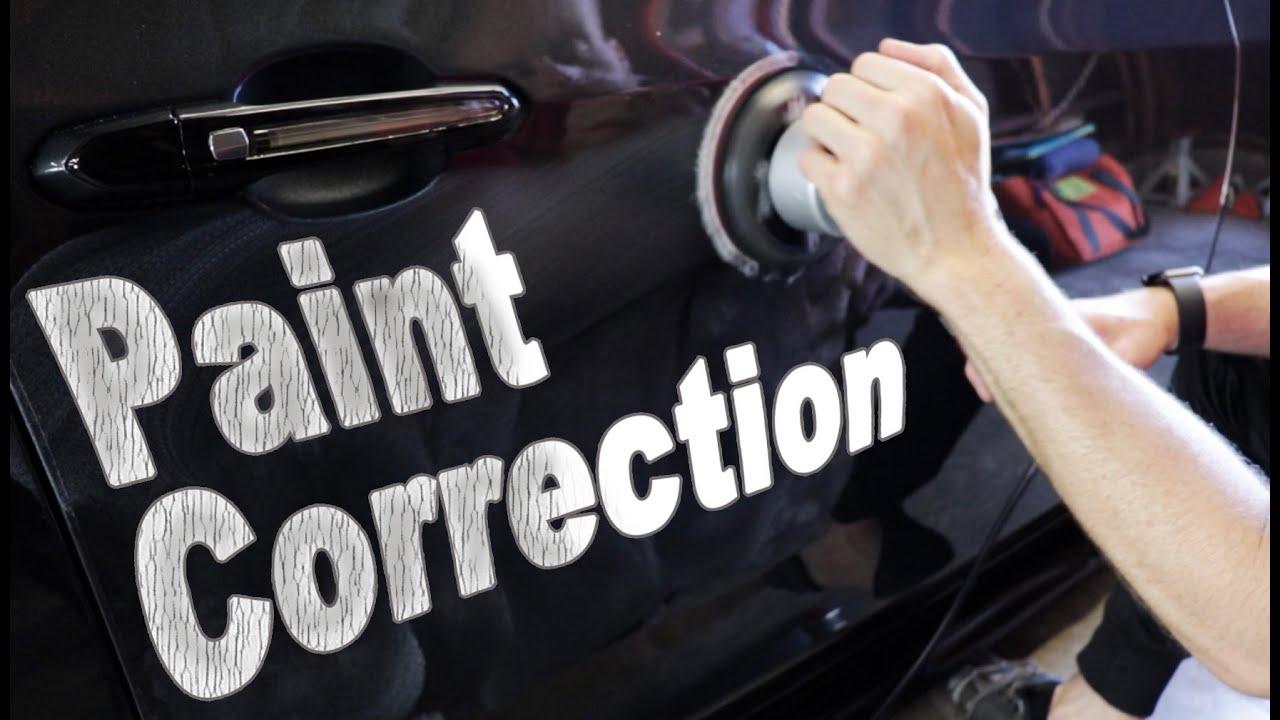
Paint Correction: How to Restore Your Car's Finish to Its Best
Even well-maintained cars eventually lose their lustre. Swirl marks, light scratches, and dull patches build up from washing, weather, and everyday driving. The expert procedure that eliminates these defects and restores depth, clarity, and gloss is DIY vs professional paint correction This guide explains what paint correction is, the defects it fixes, the stages involved, and how to protect the results.
What Is Paint Correction?
Paint correction is the process of removing imperfections from a vehicle's clear coat, the transparent top layer that protects the colour beneath. Using machine polishers, abrasive compounds, and fine polishes, a detailer carefully levels the surface so light reflects evenly, creating a deep, mirror-like finish.
It is not a wax or a filler. Waxes and glazes temporarily hide defects, whereas true paint correction permanently removes them by refining the clear coat itself.
Common Paint Defects It Can Fix
Swirl Marks
Fine, circular scratches usually caused by improper washing or drying techniques. They are most visible under direct sunlight or garage lighting.
Light Scratches
Surface-level marks from brushes, branches, or careless contact. If a fingernail does not catch in the scratch, it can often be polished out.
Water Spots and Etching
Mineral deposits from hard water can bond to the paint, while bird droppings and bug residue can chemically etch the clear coat.
Oxidation and Fading
Sun exposure can leave paint looking dull, chalky, or hazy, especially on older vehicles.
Holograms and Buffer Trails
Rainbow-like streaks left behind by poor polishing in the past.
What It Cannot Fix
Deep scratches that cut through the clear coat, rock chips, peeling lacquer, and rust require repainting or bodywork rather than polishing.
The Paint Correction Process
Step 1: Thorough Wash and Decontamination
The car is washed carefully, then treated with an iron remover and clay bar to lift bonded contaminants. Polishing over dirt would only create new scratches.
Step 2: Paint Inspection
The detailer examines the paint under strong lighting. Many professionals also use a paint thickness gauge to measure how much clear coat is available to work with safely.
Step 3: Masking
Rubber seals, plastic trim, and delicate edges are taped off to prevent damage or staining.
Step 4: Test Spot
A small section is polished first to find the least aggressive combination of pad and product that delivers the desired result.
Step 5: Compounding and Polishing
Heavier defects are removed with a cutting compound, and a finishing polish then refines the surface to a high gloss.Every step eliminates the scuffs from the one before it.
Step 6: Panel Wipe and Final Inspection
Oils are wiped away so the detailer can see the true finish, and any remaining flaws are addressed.
Step 7: Protection
To preserve the gloss and protect the paint, a sealer, wax, or ceramic coating is used.
Levels of Paint Correction
One-Step Correction
A single polishing stage that removes light swirls and boosts gloss. It suits newer cars in good condition.
Two-Step Correction
Compounding followed by finishing polish. This is the most common choice for vehicles with moderate swirl marks and wear.
Multi-Stage Correction
Several rounds of cutting and refining for heavily damaged paint. It takes the longest and costs the most, but delivers the most dramatic improvement.
Ceramic coating creates a durable protective layer that helps preserve your vehicle’s paint, enhance its gloss, and make routine cleaning easier.
Benefits of Paint Correction
-
Improved appearance: Deeper colour, sharper reflections, and a showroom-quality finish.
-
Better protection: A smooth surface allows coatings and sealants to bond more effectively.
-
Easier maintenance: Clean, even paint is simpler to wash and keep glossy.
-
Higher resale value: Well-presented paintwork can make a car more attractive to buyers.
How Long Does Paint Correction Take?
The size of the car and the state of the paint determine how long it will take. . A one-step correction may take a day, while a thorough multi-stage job can take two to four days or more. Rushing the process risks uneven results, so quality work takes patience.
Choosing a Professional Detailer
Look at Their Experience
Ask to see before-and-after photos and examples of similar work on your type of vehicle.
Ask About Their Process
A good detailer will explain their steps, mention paint thickness checks, and be honest about what can and cannot be fixed.
Check Reviews and Reputation
Customer feedback and consistent results are strong indicators of reliable workmanship.
Get a Clear Quote
Prices vary depending on size, condition, and level of correction. Ask what is included, such as protection products and interior work.
Protecting Your Paint Afterwards
Correction is only as lasting as the care that follows. Use the two-bucket wash method with a quality wash mitt, dry with clean microfibre towels, and avoid automatic brush washes. Apply a ceramic coating or sealant to resist contaminants and UV damage, and top up protection regularly. Wash bird droppings and bug residue promptly, and park in shade or a garage when possible.
Frequently Asked Questions
Is paint correction the same as polishing?
Polishing is part of paint correction, but correction is a complete process that includes preparation, inspection, and protection.
Does paint correction remove all scratches?
It removes defects within the clear coat. Deeper scratches may be reduced but not fully eliminated.
Can paint be corrected more than once?
Yes, but each session removes a small amount of clear coat, so it should be done only when necessary.
Is it worth doing on a new car?
Often yes. New cars can have swirls from dealership washing and transport, and correction followed by protection starts the finish off right.
Final Thoughts
Paint correction is one of the most effective ways to renew a car's appearance, removing swirls, scratches, and dullness rather than simply hiding them. By understanding the process, choosing a skilled detailer, and maintaining the finish with proper washing and protection, you can enjoy a deep, glossy shine for years.
Discover useful automotive resources covering paint care, vehicle detailing, surface protection, and long-term exterior maintenance.
