


POS Software for Smarter Sales and Business Management
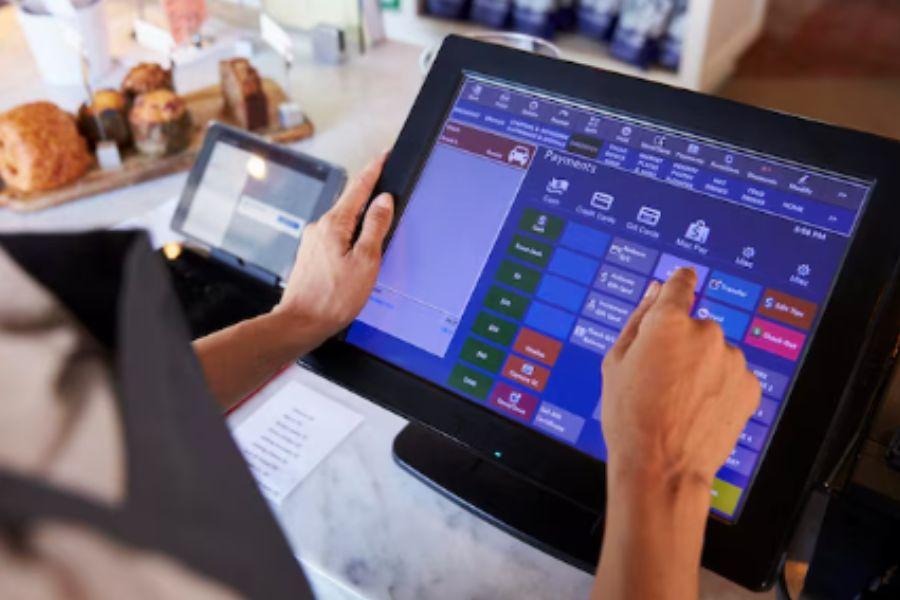
POS Software: How to Pick the Best System for Your Company
Behind every smooth checkout is software that does the real work.POS software for retail shops in Pakistan records sales, processes payments, tracks stock, and turns daily transactions into useful business data. Whether you run a single shop or a growing chain, the right software can save hours each week and reveal where your money is going. This guide explains what POS software is, the main types, the features that matter, and how to choose with confidence.
What Is POS Software?
POS software, short for point of sale software, is the program that runs your sales process. When a customer buys something, it logs the item, calculates tax and discounts, accepts the payment, issues a receipt, and updates inventory instantly. It connects to hardware such as barcode scanners, receipt printers, card readers, and cash drawers.
Beyond the checkout, modern POS software also manages staff, customers, suppliers, and reports, making it the central hub of daily operations.
Why Businesses Need Dedicated POS Software
Faster and More Accurate Sales
Automated pricing and tax calculations remove manual errors, and scanning items speeds up every transaction.
Real-Time Inventory Visibility
Stock levels update with each sale, helping you avoid shortages, dead stock, and unnecessary purchasing.
Clear Financial Records
Sales, refunds, and payment methods are recorded automatically, which simplifies bookkeeping and tax preparation.
Smarter Decisions
Reports on best sellers, peak hours, and profit margins let you plan staffing, promotions, and purchasing using facts rather than guesses.
Types of POS Software
Cloud-Based POS Software
Hosted online and accessed through a browser or app. It offers automatic updates, remote access, and lower upfront costs. A stable internet connection is important, although many providers include offline mode.
On-Premise POS Software
Installed on local computers or servers. It gives you direct control over data and can run without internet, but it needs hardware maintenance, manual updates, and more technical support.
Mobile POS Software
Runs on smartphones or tablets, often paired with a portable card reader. It is ideal for market stalls, events, delivery services, and small shops.
Industry-Specific POS Software
Built for particular sectors, including restaurant systems with table and kitchen management, retail systems with variants and barcodes, and salon systems with appointment booking.
Core Features to Look For
Sales Processing
The basics must be fast and reliable: quick item lookup, discounts, split payments, refunds, and returns.
Inventory Management
Look for stock tracking across locations, low-stock alerts, purchase orders, batch or serial numbers, and stock transfers.
Reporting and Analytics
Useful reports include daily sales summaries, profit by product, staff performance, and customer trends.
Employee Management
User roles and permissions protect sensitive actions such as refunds and price changes, while time tracking and sales by employee improve accountability.
Customer Management and Loyalty
Customer profiles, purchase history, gift cards, and reward programs encourage repeat visits.
Integrations
Connections to accounting software, e-commerce platforms, payment gateways, and delivery services prevent double entry and keep online and in-store stock aligned.
Security
Role-based access, data encryption, and regular backups protect your business and customer information.
POS software Pakistan helps businesses manage billing, sales, inventory, payments, and daily operations through one efficient and organized system.
Understanding Pricing Models
POS software is usually priced in one of these ways:
-
Monthly subscription: A recurring fee per terminal, user, or location.
-
One-time license: A single upfront payment, sometimes with annual support fees.
-
Transaction-based fees: A percentage taken from each card payment.
-
Add-on pricing: Extra charges for modules such as loyalty, advanced reporting, or integrations.
Compare the total cost over at least a year, including setup, training, hardware, and support, rather than focusing only on the headline price.
How to Choose the Right POS Software
List Your Requirements
Write down your must-have features based on your business type, such as table management for a restaurant or size and colour variants for a clothing store.
Check Hardware Compatibility
Confirm that the software works with the scanners, printers, and card readers you already own, or find out which devices you will need to buy.
Prioritise Ease of Use
Staff should be able to learn the system quickly. Request a demo and let your team test common tasks like selling, refunding, and closing the day.
Evaluate Support and Training
Reliable support matters most when something fails during trading hours. Ask about response times, available channels, and onboarding help.
Think About Scalability
Choose software that can handle more products, users, and locations without forcing you to switch systems later.
Review Data Ownership
Make sure you can export your sales and customer data at any time, so you are never locked in.
Common Mistakes to Avoid
Many businesses choose software on price alone and later find essential features missing. Others skip free trials, ignore transaction fees, or underestimate the time needed to import products and train staff. Another frequent problem is buying a system that cannot integrate with existing accounting or online store tools. Avoid these issues by testing thoroughly, reading contracts carefully, and planning a proper rollout.
Implementation Tips
Employees should be able to pick up the system fast. Set up user roles, tax rates, and payment methods carefully. Train staff before launch, and consider running the new system alongside your old method for a short period. After going live, review reports weekly to make sure the numbers match your expectations.
Frequently Asked Questions
What is the difference between POS software and a POS system?
The system includes both hardware and software, while POS software is the program that runs on that hardware.
Can POS software work offline?
Some solutions do, storing transactions locally and syncing later. Always confirm this feature before buying.
Is free POS software reliable?
Free versions can suit very small businesses, but they often limit features, users, or support, and may charge higher payment fees.
Can POS software manage multiple stores?
Yes. Many platforms offer centralised control of inventory, pricing, and reporting across several locations.
Final Thoughts
The right POS software makes selling faster, stock more accurate, and reporting far clearer. By understanding the available types, comparing features and total costs, testing usability, and planning your rollout, you can choose a solution that supports your business today and scales with it tomorrow.
Explore practical business resources for improving sales management, inventory control, payment processing, and everyday operational efficiency.
