


Why Custom Food Packaging Is the Secret Ingredient to Brand Success
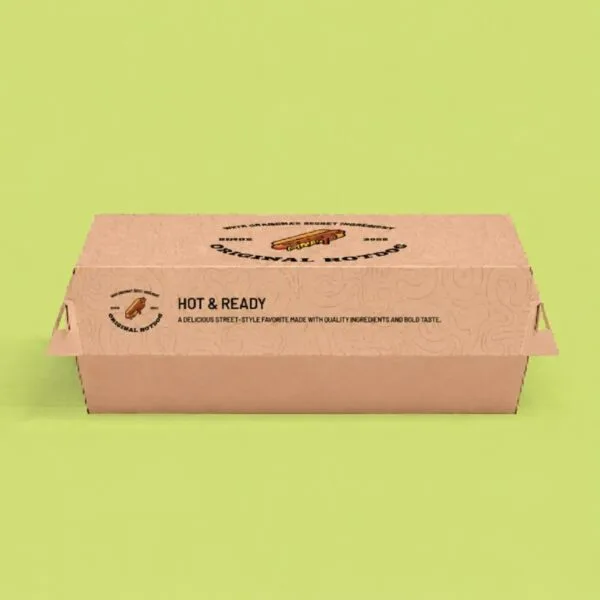
Be honest: when was the last time you bought a snack you’d never heard of? You probably didn’t read the ingredients first. Something on the pack caught your eye, maybe the color, maybe the font, maybe just how it felt in your hand, and into the basket it went.
That’s the quiet power of custom food packaging. Your recipe might be incredible, but nobody finds that out until they open the box. And they only open the box if the outside gives them a reason to.
So let’s talk about why packaging deserves a seat at the table right next to your ingredients.
Your Box Speaks Before You Do
Nobody tastes your food first. They see it first, whether it’s on a shelf, a bakery counter, or sitting in a delivery bag at their door.
A plain kraft box with a hand-drawn logo feels homemade and honest. A matte black box with gold foil feels like a gift. Bright colors and a cheeky tagline say “fun, grab me.” You don’t have to explain any of this. People just feel it, usually in about two seconds.
That’s why generic packaging hurts. It doesn’t say anything, so people assume there’s nothing special inside.
Trust Is Everything in Food
Food is different from most products. People feed it to their kids, their parents, themselves. They’re a little cautious by nature.
A sturdy box, clean printing, and clear labels tell them someone cared. A crushed, blurry, mismatched package does the opposite, and even if the food is perfectly fine, doubt creeps in. When you invest in custom food packaging, you’re basically saying, “We pay attention to details.” Customers notice that more than you’d expect.
It Has to Actually Protect the Food
Pretty is great, but a beautiful box that lets your fries go soggy is a bad box.
The best thing about going custom is that the packaging is built around your product, not the other way around. A few real examples:
- Bakery boxes with a small window let people see the pastry without touching it.
- Greaseproof lining keeps pizza and burger boxes from turning into oily mush.
- Custom inserts stop macarons and chocolates from sliding around in transit.
- Airtight pouches keep coffee, spices, and snacks fresh much longer.
When food shows up looking exactly the way it should, people remember. And they reorder.
People Remember What They See Often
There are thousands of food brands out there. The ones that stick are usually the ones people recognize without reading the name: that particular shade of green, that odd little logo, that sticker on the lid.
Keep your packaging consistent and it slowly becomes part of your identity. Customers spot it in stores, in photos, in a friend’s kitchen. You can’t easily buy that kind of familiarity with ads.
Unboxing Is Free Marketing
Here’s something most small food businesses underestimate. Packaging now lives on Instagram and TikTok just as much as it lives on shelves. If your box looks good, people will film it, post it, and tag you. You didn’t pay for that.
It doesn’t take much, either. A thank-you card, a branded sticker, or a tidy inner layer can turn a simple order into a moment worth sharing.
Eco-Friendly Packaging Is Not Just a Trend
More shoppers than ever check what their packaging is made of. Plenty of them will happily pay a little more for a brand that uses recyclable or compostable materials.
With custom food packaging, you can choose kraft paper, recycled board, or plant-based coatings, and print a short line telling people how to recycle the box. It costs very little, and it shows what your brand stands for.
Match the Packaging to the Product
One style does not fit everything. A rough guide:
- Bakery and desserts: window boxes, cake boxes, cupcake inserts
- Takeaway and fast food: burger boxes, pizza boxes, fry sleeves
- Snacks and dry goods: stand-up pouches, tuck-top boxes
- Chocolates and sweets: rigid gift boxes with inserts
- Frozen food: insulated, moisture-resistant packs
Get the function right first, then add your branding on top. If you want ideas for sizes, styles, and finishes, take a look at these before you decide.
Don’t Skip the Boring Stuff
Ingredients, allergen warnings, nutrition facts, expiry dates, barcodes: most countries require some mix of these, and the rules aren’t the same everywhere. Plan space for them from day one. It’s much easier than squeezing them in later, and far cheaper than reprinting a whole batch because something was missing.
How to Get Started
Don’t overthink it. Start here:
- Decide how your brand should feel: fun, premium, natural, or minimal.
- Think about what your food needs. Hot, cold, crispy, leak-proof?
- Pick materials and finishes that fit your budget.
- Order a sample and hold it in your hands before committing.
- Start with a smaller batch, see how customers react, then scale.
Final Thoughts
Great food brings people back. Great packaging gets them to try you in the first place. Custom food packaging protects what you’ve made, tells your story, builds trust, and quietly does your marketing every time someone picks it up.
Ready to start? You can explore custom food packaging options at Packaging Eagle and find something that fits your brand. After all, customers judge the box before they taste a bite, so make it count.
