


Preparing Commercial Properties in Sarasota for Safer Tree Growth
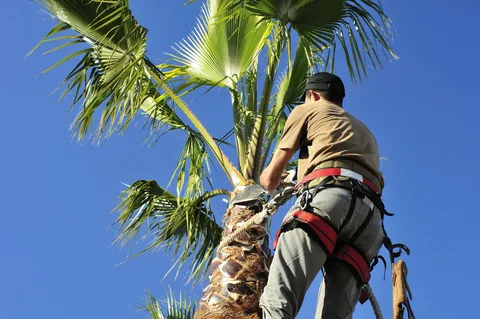
Trees can add shade, character, and a welcoming appearance to a commercial property, but they also require thoughtful care. A tree that looks healthy from the parking lot may have hidden structural problems, weak branches, or roots affecting nearby surfaces. For business owners, ignoring these concerns can eventually create maintenance headaches or safety issues. That’s why Commercial Tree Services Sarasota FL can play an important role in keeping business properties attractive and manageable. From routine inspections to pruning and removal when necessary, professional tree care helps property owners address problems before they become disruptive. This guide explains practical ways to encourage healthier tree growth while protecting buildings, walkways, parking areas, landscaping, employees, customers, and visitors.
Start With a Property-Wide Tree Assessment
Before scheduling individual tree treatments, take a step back and look at the entire property. Commercial landscapes often contain several types of trees planted at different times, so their needs may vary considerably.
A basic assessment should consider:
- Tree location in relation to buildings and entrances
- Branches extending over parking spaces or pedestrian areas
- Signs of dead, damaged, or weak limbs
- Root growth near sidewalks and paved surfaces
- Trees growing close to utility lines
- Soil conditions around the root zone
- Evidence of pests, decay, or disease
- Trees that appear unstable after storms
This assessment creates a clearer picture of what needs attention first. For example, a large tree beside a busy customer entrance may deserve closer inspection than a smaller tree located in an unused section of the property.
It’s also useful to keep simple records. Note the approximate location of each tree, previous pruning work, visible concerns, and any storm-related damage. Over time, these records can help property managers recognize changes and plan maintenance more efficiently.
Give Trees Enough Room to Grow
One of the most common commercial landscaping problems is limited growing space. Trees may have been planted when a property was first developed, only to encounter buildings, pavement, signs, lighting, or other structures as the site became busier.
Healthy growth requires adequate space for both branches and roots.
Think About the Root Zone
Roots need access to air, water, and suitable soil. Heavy paving, compacted ground, and constant vehicle traffic can make it harder for roots to develop properly.
When planning new landscaping or modifying an existing property, avoid unnecessarily covering the area immediately surrounding mature trees. Where practical, maintain open soil or suitable planting areas that allow rainwater to reach the root zone.
Consider Future Canopy Growth
A young tree can look perfectly positioned when planted, but its mature canopy may eventually reach walls, signs, rooflines, or utility equipment.
Before planting replacement or new trees, consider their expected mature size. Selecting an appropriate species and location can reduce future conflicts and eliminate the need for excessive pruning.
Use Pruning to Manage Growth, Not Just Appearance
Pruning is sometimes treated as a cosmetic task, but proper pruning can have a much broader purpose. Removing dead, damaged, or poorly positioned branches can help improve the overall structure of a tree and reduce potential hazards.
The goal shouldn't be to remove as much growth as possible. Excessive cutting can leave a tree stressed and may encourage unwanted growth patterns.
A professional assessment can help determine which branches actually need attention. In many commercial settings, Professional Tree Cutting Sarasota can be part of a broader maintenance plan designed around safety, clearance, and healthy development rather than simply giving trees a particular shape.
Property managers should pay special attention to:
- Dead or broken branches
- Limbs interfering with buildings or signs
- Growth blocking visibility near entrances or driveways
- Branches hanging over frequently used pedestrian areas
- Crossing or rubbing branches
- Growth approaching utility infrastructure
Regular monitoring is especially useful because tree conditions can change after severe weather. A branch that appears secure during one inspection may become weakened after wind, heavy rain, or lightning exposure.
Protect Trees During Construction and Property Improvements
Commercial properties are rarely static. Businesses renovate buildings, expand parking areas, install drainage systems, replace sidewalks, and modify outdoor spaces. These projects can unintentionally damage nearby trees.
Heavy machinery moving across root zones can compact soil. Excavation may cut important roots. Materials stacked around tree trunks can cause physical damage. Even temporary construction fencing can become problematic if it is installed too close to a tree.
Before beginning a construction project, identify trees that should be protected and communicate those requirements to contractors.
Useful precautions include:
- Marking protected tree areas before work begins
- Keeping heavy equipment away from sensitive root zones
- Avoiding unnecessary soil excavation near mature trees
- Preventing construction materials from being stored against trunks
- Monitoring trees after major ground disturbance
- Reassessing irrigation needs after landscaping changes
Planning these protections before construction begins is much easier than trying to correct tree damage afterward.
Pay Attention to Seasonal and Storm-Related Risks
Sarasota properties can experience weather conditions that put additional stress on trees. Strong winds and heavy rain may break limbs, loosen branches, or expose weaknesses that weren't obvious during normal conditions.
A commercial property should have a practical response plan for severe weather.
After a major storm, don't immediately assume that a tree is safe simply because it remains standing. Look for hanging limbs, split branches, leaning trunks, exposed roots, and fresh cracks.
If a damaged tree is near a building, parking area, entrance, or utility line, keep people away from the area until it can be assessed.
This is one reason scheduled tree inspections can be valuable for commercial property managers. Instead of waiting until a visible problem affects daily operations, inspections allow potential concerns to be identified earlier.
Build a Maintenance Plan That Fits the Property
The best tree-care plan isn't necessarily the one with the most frequent services. It’s the one that matches the property's trees, layout, usage, and changing needs.
A small office property may require a different approach from a shopping center, apartment complex, restaurant, or large commercial facility.
A practical maintenance plan can include:
Routine Inspections
Walk the property periodically and document visible changes. Pay attention to trees near high-traffic areas and structures.
Scheduled Pruning
Rather than waiting until branches become obvious hazards, establish a maintenance schedule based on tree condition and professional recommendations.
Storm Assessments
Inspect trees after significant weather events, especially those located near buildings, vehicles, or pedestrian routes.
Planned Removal
Some trees eventually become too damaged, unstable, diseased, or poorly positioned to remain safely on a property. When removal becomes necessary, planning ahead can make the process easier and allow the property owner to consider suitable replacement landscaping.
Ongoing Landscape Coordination
Tree care should work alongside irrigation, lawn maintenance, planting, drainage, and other landscaping activities. Coordinating these services can prevent one maintenance activity from creating problems for another.
Keep Safety at the Center of Every Decision
Commercial property owners have many responsibilities competing for their attention. Tree care may not seem urgent when everything looks normal, but small problems can become much more difficult when ignored.
A branch over a walkway, declining tree near a parking lot, or root problem beside a sidewalk deserves attention before it interferes with normal business activity.
Professional tree care can help property managers make informed decisions about pruning, trimming, storm cleanup, removal, and long-term maintenance. For businesses looking to protect their grounds while keeping the property presentable, Commercial Tree Services Sarasota FL can provide a structured approach to managing trees throughout the year.
For property owners and managers, the practical takeaway is simple: inspect trees regularly, give them appropriate growing space, address structural problems early, and protect them during construction and severe weather. These steps can support healthier trees while reducing avoidable maintenance and safety concerns.
A well-maintained commercial property doesn't happen by accident. With a thoughtful tree-care plan and professional help when needed, businesses can keep outdoor areas safer, cleaner, and more attractive for employees, customers, and visitors. If your property has mature trees that need inspection, pruning, storm assessment, or other care, consider arranging a professional evaluation before a small concern turns into a larger property problem.
