


Can a Antarctica tours include visits to traditional estancias?
INTRODUCTION
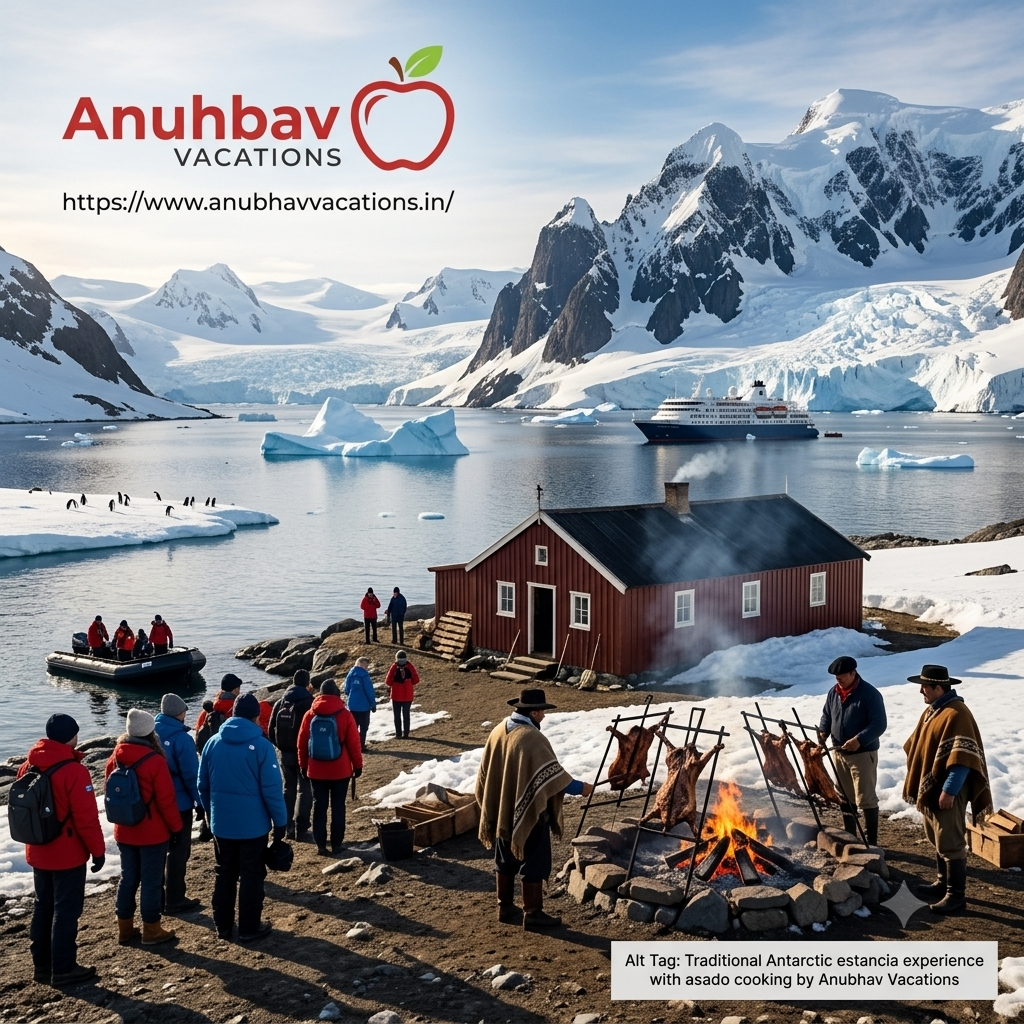
An Antarctica journey is often imagined as a once-in-a-lifetime expedition filled with icebergs, penguins, glaciers, and spectacular polar landscapes. However, travelers can make the experience even more diverse by combining their Antarctic expedition with cultural experiences in Patagonia. While Antarctica tours themselves do not normally include traditional estancias because estancias are historic rural ranches found mainly in Patagonia, some extended itineraries can be designed with a pre- or post-Antarctica stay in Argentina or Chile. These ranch visits provide an opportunity to discover traditional ranch life, local cuisine, horsemanship, and the cultural heritage of southern South America.
What Are Traditional Estancias?
The word “estancia” generally refers to a large rural estate or ranch, particularly in Argentina and parts of southern Chile. Estancias have played an important role in the development of Patagonian culture and are closely associated with cattle and sheep ranching.
A traditional estancia may feature wide-open grasslands, rustic buildings, working livestock farms, horseback riding, traditional meals, and stories about generations of ranching families. Some estancias operate as working farms, while others welcome visitors for accommodation, meals, cultural activities, and outdoor experiences.
For international travelers, visiting an estancia offers a completely different perspective on Patagonia compared with visiting glaciers, mountains, or national parks.
Are Estancias Located in Antarctica?
No. Traditional estancias are not located on the Antarctic continent. Antarctica is a protected polar environment without permanent traditional ranching communities or agricultural estates.
Estancias are instead found in regions of Patagonia, including southern Argentina and Chile. This geographical distinction is important when planning a trip.
A traveler may therefore combine an Antarctic expedition with a Patagonia extension. For example, a journey could begin in Buenos Aires, continue to southern Argentina, include an estancia experience, and then proceed toward Ushuaia for an expedition cruise to Antarctica.
This combination allows travelers to experience both the cultural heritage of Patagonia and the remote wilderness of Antarctica in one extended holiday.
How Can an Antarctica Itinerary Include an Estancia Visit?
An estancia visit can generally be added before or after the Antarctic expedition rather than being part of the actual Antarctic cruise.
A possible itinerary could begin with several days in Buenos Aires before traveling south toward Patagonia. Travelers could then spend time around El Calafate, Torres del Paine, or Ushuaia depending on their interests and itinerary structure.
A traditional estancia could be incorporated during the Patagonia portion of the journey. After enjoying ranch activities and local culture, travelers could continue toward Ushuaia, the major departure point for many Antarctic expeditions.
Following the expedition, travelers may also choose to return to Patagonia for additional sightseeing before flying home.
This type of combination is particularly appealing to travelers who want more than a conventional expedition cruise.
What Can Travelers Experience at a Traditional Estancia?
An estancia visit can provide several cultural and outdoor experiences.
1. Traditional Ranch Life
Visitors can learn how rural communities have historically lived and worked in Patagonia. Depending on the property, travelers may observe livestock management, ranching routines, and traditional agricultural practices.
Some working estancias allow visitors to see sheep-shearing demonstrations or learn about the daily responsibilities of ranch workers.
2. Horseback Riding
Horseback riding is one of the experiences most strongly associated with Patagonian ranch culture. Visitors may have the opportunity to ride through open landscapes accompanied by experienced local guides.
The experience can be adapted to different comfort levels at participating properties, although availability and requirements vary from one estancia to another.
3. Traditional Food
Food can be an important part of an estancia experience. Visitors may enjoy regional dishes prepared using locally sourced ingredients.
Patagonian lamb is particularly associated with southern Argentina and Chile. Traditional cooking methods and relaxed meals can help travelers understand the culinary traditions of the region.
4. Local Stories and History
Many estancias have histories connected with the settlement and development of Patagonia. A visit may provide opportunities to learn about early ranching communities, immigration, livestock farming, and the changing economic landscape of southern South America.
This cultural dimension can complement the natural scenery encountered during the rest of the journey.
Why Combine Patagonia and Antarctica?
Combining Patagonia with Antarctica creates a more varied travel experience.
An Antarctic expedition primarily focuses on wildlife, landscapes, scientific exploration, and remote wilderness. Travelers may encounter penguins, seals, seabirds, whales, icebergs, and dramatic coastal scenery.
Patagonia, meanwhile, offers mountains, lakes, glaciers, forests, grasslands, national parks, and rural cultural experiences.
Adding an estancia visit creates another layer by introducing travelers to the human history and traditions of the region.
The result is a journey that combines nature, wildlife, adventure, and culture rather than concentrating exclusively on an expedition cruise.
Can an Antarctica Tour From India Include an Estancia?
Travelers planning an Antarctica tour from India can consider adding a Patagonia extension to their overall itinerary.
Since most Antarctic expedition routes accessible to Indian travelers involve reaching South America first, there can be opportunities to spend additional time in Argentina or Chile before boarding the expedition vessel.
A well-planned itinerary could include an international flight to Argentina, several days exploring Patagonia, an estancia experience, travel to Ushuaia, and then an Antarctic expedition.
The exact routing depends on flight schedules, expedition departure dates, available accommodation, and the traveler's preferred activities.
Travelers should also allow sufficient time between independent travel arrangements and the Antarctic cruise. Building in extra time can reduce the risk of missing an important embarkation because of an unexpected flight delay.
What Is a Typical Combined Itinerary?
A combined Patagonia-Antarctica itinerary can be structured in several ways.
Days 1–2: Arrival in Argentina
Travelers can begin in Buenos Aires, allowing time to recover from the international journey and explore the city's cultural attractions.
Days 3–5: Patagonia
The journey can continue toward southern Patagonia. Travelers may explore scenic landscapes, glaciers, lakes, or national parks depending on the selected route.
Day 6: Estancia Experience
A dedicated estancia day can introduce visitors to rural Patagonia. Activities may include horseback riding, ranch demonstrations, traditional meals, and cultural presentations.
Days 7–8: Ushuaia
Travelers can continue to Ushuaia, where they can explore the city and surrounding landscapes before the expedition.
Days 9 onward: Antarctica Expedition
The Antarctic expedition can then begin, typically sailing south through the Drake Passage or following another scheduled expedition route.
The exact duration varies significantly between expedition operators and departure dates.
Is an Estancia Visit Suitable for Families?
It can be, depending on the property and selected activities. Families who enjoy animals, outdoor scenery, history, and cultural experiences may find an estancia visit especially interesting.
Parents should check whether horseback riding has minimum age requirements and whether alternative activities are available for younger children.
Some properties offer demonstrations and meals that do not require strenuous physical activity, making them accessible to travelers who prefer a relaxed cultural experience.
Can Senior Travelers Enjoy an Estancia?
Yes. An estancia experience does not necessarily require strenuous activity.
Senior travelers can often enjoy traditional meals, scenic surroundings, cultural demonstrations, ranch history, and conversations with local hosts without participating in horseback riding or physically demanding activities.
When planning an extended Antarctica and Patagonia itinerary, travelers should consider the amount of walking, transfers, and outdoor activity involved in each stage of the journey.
What Is the Best Time for an Estancia and Antarctica Journey?
The Antarctic travel season generally takes place during the Southern Hemisphere summer, when expedition vessels can operate in Antarctic waters.
This period also coincides with summer in Patagonia, making it practical to combine the two destinations.
However, the best timing depends on the exact expedition departure date and the Patagonia activities travelers want to experience. Weather conditions can change quickly in southern South America, so travelers should prepare for variable conditions.
It is also advisable to confirm seasonal operating schedules for individual estancias before finalizing the itinerary.
How Should Indian Travelers Plan the Journey?
Travelers from India should treat the trip as a multi-stage international journey rather than simply booking an Antarctic cruise.
First, they should identify the desired Antarctic expedition and its embarkation city. Ushuaia is an important gateway for many Antarctic voyages.
Next, travelers can determine whether they want to add Patagonia sightseeing and an estancia stay before the cruise.
International flights, domestic South American flights, accommodation, transfers, travel insurance, and visa requirements should all be checked well in advance.
Because Antarctic expeditions involve fixed departure dates, arriving in the region early is generally a sensible approach.
What Should Travelers Pack?
Packing for a Patagonia and Antarctica combination requires preparation for different environments.
Travelers should consider:
-
Warm and insulating layers
-
Waterproof outer clothing
-
Comfortable walking shoes or boots
-
Gloves and a warm hat
-
Sunglasses and sunscreen
-
Personal medication and essential travel documents
-
Casual clothing for cities and estancia visits
-
A small daypack
-
Camera equipment and spare batteries
Patagonia can experience changing weather, while Antarctica is considerably colder and more demanding. The expedition operator will normally provide detailed packing recommendations before departure.
Why Is This Combination Worth Considering?
An Antarctic expedition provides access to one of the world's most extraordinary wilderness areas. Yet the journey to Antarctica can become even more memorable when travelers also discover the culture of southern South America.
An estancia adds a human and historical element to the trip. Instead of experiencing only remote polar landscapes, travelers can learn about the people, traditions, food, animals, and rural heritage of Patagonia.
This combination can also make the long journey from India more rewarding by turning the overall holiday into a broader South American adventure.
Final Thoughts
Traditional estancias cannot be visited in Antarctica itself, but they can be incorporated into a wider Patagonia and Antarctic travel itinerary. Travelers can enjoy a rural ranch experience before or after their expedition, discovering horseback traditions, regional cuisine, local history, and the landscapes of southern South America. For travelers planning Antarctica tours, combining an Antarctic expedition with a Patagonia estancia stay can create a diverse journey that balances wildlife and wilderness with culture and heritage. With careful planning around expedition schedules, flights, accommodation, and seasonal conditions, Anubhav Vacations can help travelers consider a memorable South American journey that connects the distinctive experiences of Patagonia and Antarctica.
FAQs
1. Are traditional estancias located in Antarctica?
No. Traditional estancias are found mainly in Patagonia, particularly in Argentina and Chile. They can be included as part of a Patagonia extension before or after an Antarctic expedition.
2. Can an Antarctic cruise itinerary include a Patagonia estancia visit?
Usually, an estancia visit is arranged separately before or after the cruise rather than during the Antarctic voyage. Travelers can build a combined itinerary that includes Patagonia and Antarctica.
3. Can Indian travelers add an estancia experience to their Antarctic holiday?
Yes. Travelers planning an Antarctica tour from India can consider adding a Patagonia stay and traditional estancia experience before traveling to an Antarctic expedition departure point.
4. What activities can visitors enjoy at a traditional estancia?
Depending on the property, visitors may enjoy horseback riding, ranch demonstrations, traditional meals, scenic walks, wildlife viewing, and learning about Patagonian ranching traditions.
5. Is an estancia visit suitable for travelers who do not ride horses?
Yes. Many estancia experiences include cultural activities, meals, demonstrations, scenic views, and opportunities to learn about ranch history, so horseback riding is not necessarily required.
