


What Are the Most Common Injuries Among Active People?
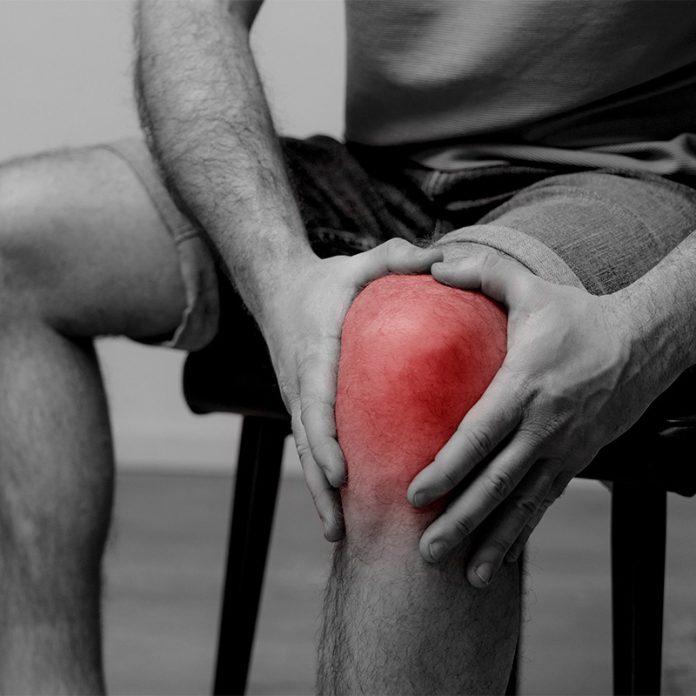
Active people push their bodies harder than most. Whether training for sport, fitness, or recreational enjoyment, physical demands are real. Injuries are an inevitable part of an active lifestyle for most people. Understanding which injuries are most common helps active individuals recognise and respond appropriately. Early identification and treatment consistently lead to faster and more complete recovery. This article covers the most prevalent injuries among active people, their causes, and how professional rehabilitation supports recovery.
Why Active People Are Prone to Injury
Active people sustain injuries for a variety of identifiable reasons. Training load errors are among the most frequent contributing factors. Sudden increases in training volume or intensity exceed tissue adaptation capacity. Poor movement mechanics create abnormal stress on vulnerable joints and structures. Muscle imbalances distribute physical load unequally across the body. Inadequate warm-up leaves tissues physically unprepared for the demands of exercise. Previous injury is the strongest single predictor of future injury in active populations. Fatigue reduces neuromuscular coordination and elevates injury vulnerability significantly. Understanding these causes empowers active people to address them proactively.
Ankle Sprains
Ankle sprains are the most common sports-related injury recorded worldwide. They occur when the ankle rolls inward or outward beyond its normal range of motion. The lateral ligaments on the outside of the ankle are most frequently damaged. Basketball, football, netball, and trail running carry the highest ankle sprain risk. Symptoms include immediate pain, localised swelling, and difficulty bearing full weight. Without proper rehabilitation, ankle sprains frequently become recurring and chronic problems. Proprioceptive training and progressive strengthening are essential for complete ankle recovery.
How Ankle Sprains Are Treated
The acute phase focuses on managing pain and reducing associated swelling. Early weight-bearing with physiotherapy guidance is recommended for most ankle sprains. Strengthening of the peroneal, calf, and tibialis anterior muscles is introduced progressively. Balance and proprioceptive training restores the sensory receptors damaged during the sprain. Sport-specific conditioning prepares the ankle fully before return to demanding activity. Athletes who complete thorough ankle rehabilitation reinjure themselves significantly less frequently.
Hamstring Strains
Hamstring strains are among the most common soft tissue injuries in running sports. The hamstrings are a group of three muscles located at the back of the thigh. Sprinting, acceleration, and sudden changes of direction create the highest injury risk. Strains occur when the muscle is asked to contract forcefully while being lengthened. Fatigue and insufficient warm-up both significantly elevate hamstring strain risk. Previous hamstring injury is the single strongest predictor of a new strain occurrence.
Rehabilitation for Hamstring Strains
The Nordic hamstring exercise is the gold standard injury prevention and rehabilitation exercise. Research consistently shows it reduces strain rates significantly in running sports. Eccentric strengthening is the most critical rehabilitation component for hamstring recovery. Graduated return to sprinting is guided by strength symmetry and functional testing. Athletes who rush return to sprinting consistently sustain the same injury again. Thorough rehabilitation prevents the cycle of recurring hamstring injury common in active populations.
Knee Injuries
Knee injuries represent some of the most serious and complex sustained in sport. The ACL, MCL, and meniscus are the most frequently injured structures in the knee. Jumping, landing, and cutting movements carry the highest knee injury risk. Female athletes face a statistically higher ACL injury risk than their male counterparts. Quadriceps and hamstring strength imbalances are significant modifiable risk factors.
ACL Tears and Comprehensive Recovery
ACL tears are among the most feared injuries in recreational and competitive sport. Surgical reconstruction is often required for complete ACL tears in active individuals. Full recovery from ACL reconstruction typically requires nine to twelve months of rehabilitation. Neuromuscular training and strength symmetry testing are essential throughout recovery. Psychological readiness for return to sport must be confirmed alongside physical testing. Athletes who complete comprehensive ACL rehabilitation return to sport more safely and confidently.
Rotator Cuff Injuries
Rotator cuff injuries are particularly prevalent in overhead and throwing sports. Swimming, cricket, tennis, volleyball, and baseball frequently cause rotator cuff problems. Rotator cuff strains, shoulder impingement, and partial tears are the most common diagnoses. Poor shoulder blade stability is a major modifiable contributor to rotator cuff injury. Imbalances between the internal and external rotator muscles elevate injury risk significantly.
Managing Rotator Cuff Injuries
External rotation and scapular stability exercises are fundamental to rotator cuff rehabilitation. Progressive loading of the rotator cuff tendons restores full strength and function. Technique assessment reduces impingement risk in athletes performing overhead movements. Managing training volume is particularly critical for overhead athletes during rehabilitation. Regular physiotherapy review prevents minor shoulder complaints from escalating into serious injuries.
Shin Splints
Shin splints, or medial tibial stress syndrome, cause significant lower leg pain during activity. They are most common in runners, military personnel, and court sport athletes worldwide. Pain occurs along the inner edge of the tibia bone during and after activity. Sudden increases in training load are the most frequent contributing cause in most cases. Hard running surfaces and inadequate footwear are additional risk factors for shin splints.
Treatment and Return to Activity
Gradually increasing running volume using the ten percent rule prevents shin splints effectively. Appropriate footwear with adequate cushioning is essential for all running athletes. Gait analysis identifies biomechanical factors contributing to excessive lower leg bone stress. Calf strengthening and tibialis anterior exercises reduce tibial loading during running activities. Physiotherapy monitors return to running carefully to prevent symptom recurrence throughout recovery.
Lower Back Pain
Lower back pain affects active people across virtually all sports and disciplines. Rotational sports like golf, tennis, cricket, and rowing carry particularly high risk. Core instability and limited hip mobility place excessive demand on the lumbar spine. Physiotherapy is the most effective and widely supported treatment for athletic back pain.
Preventing and Treating Lower Back Pain
Core strengthening is the most important component of lower back pain treatment. Dead bugs, planks, and bird-dogs target the deep spinal stabilising muscles effectively. Hip mobility work reduces compensatory loading on the lumbar spine during sport. Load management ensures the spine is not subjected to excessive cumulative fatigue. A dedicated sports injury physio conducts comprehensive assessment of lower back pain causes. They identify biomechanical, load-related, and structural contributors to each individual's pain. Personalised treatment plans address every identified factor with targeted and evidence-based interventions. Early professional assessment prevents acute lower back episodes from becoming chronic problems.
Stress Fractures
Stress fractures result from repetitive mechanical loading on bones beyond their adaptive capacity. They are common in runners, gymnasts, military recruits, and court sport athletes. The tibia, metatarsals, and navicular are among the most frequently affected bones. Pain increases progressively during activity and often persists after exercise finishes. Rest from impact activity is essential to allow bone healing during recovery. Nutritional assessment including calcium, vitamin D, and total caloric intake is important. Biomechanical and training load factors contributing to the fracture must be addressed. Physiotherapy guides gradual return to impact activity after confirmed bone healing occurs.
Plantar Fasciitis
Plantar fasciitis is one of the most common causes of heel pain in active people. It involves inflammation of the thick tissue band along the sole of the foot. Morning pain with the first steps of the day is a classic and diagnostic feature. Running, standing for long periods, and jumping sports increase plantar fasciitis risk. Calf tightness, excessive foot pronation, and poor footwear are contributing factors. Physiotherapy uses stretching, strengthening, orthotics, and load management for treatment. Most cases resolve completely with consistent physiotherapy management over several weeks.
Final Thoughts
Sports and activity-related injuries are common but highly treatable with expert physiotherapy care. Ankle sprains, hamstring strains, knee injuries, and rotator cuff problems are most prevalent. Shin splints, lower back pain, stress fractures, and plantar fasciitis are also frequently seen. Understanding these injuries empowers active people to act promptly and appropriately after injury. Professional physiotherapy assessment provides accurate diagnosis and targeted, evidence-based treatment. Every injury discussed has a structured and evidence-supported rehabilitation pathway available. Active people who engage with professional physiotherapy promptly recover faster and more completely. Prevention, early intervention, and thorough rehabilitation are the foundations of lasting physical health.
