


Watches for Men: What Should You Consider Before Buying?
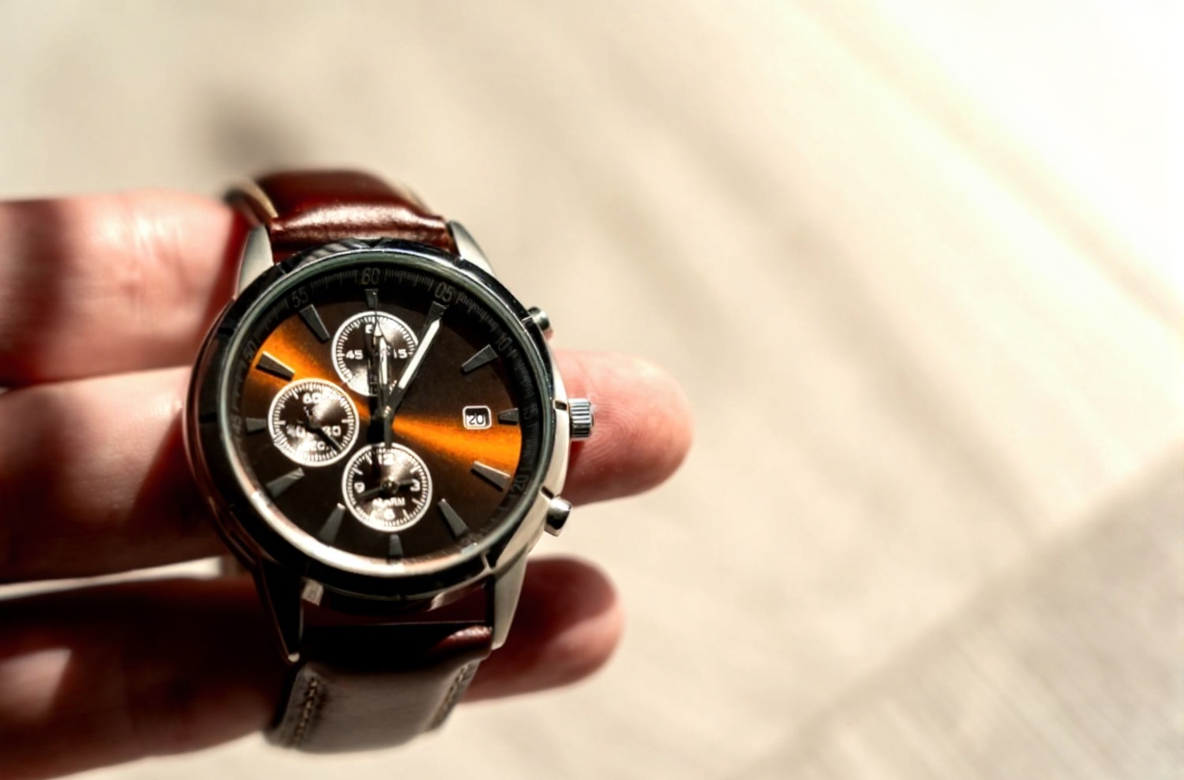
A watch is more than a tool for checking the time. It can complement an outfit, reflect personal style, and become an important part of a man's everyday accessories. When exploring watches for men, you will find many designs, materials, movements, and features, which can make choosing the right watch feel difficult. Knowing what to look for can make the buying process much easier.
Why Are Watches Still Important for Men?
Watches continue to be popular because they combine functionality and personal style. Although smartphones can easily display the time, a wristwatch offers something different. It can become part of your overall appearance and add a polished finishing touch to an outfit.
A well-selected watch can also be useful for different occasions. You may choose one design for everyday activities and another for formal events, business meetings, or outdoor adventures.
What Watch Style Should You Choose?
Watch style should be one of the first things you consider. Different designs are created for different situations and preferences.
Dress watches usually feature clean dials, slim cases, and sophisticated designs. Sports watches often have stronger cases and additional features. Dive watches typically include water resistance and rotating bezels, while field watches are known for practical and easy-to-read designs.
Consider your daily routine and the clothing you normally wear before selecting a style.
How Does Watch Movement Matter?
The movement is the mechanism that powers the watch. The three common types are quartz, automatic, and mechanical movements.
Quartz watches are battery-powered and are generally convenient and accurate. Automatic watches use movement from the wearer's wrist to power the mechanism. Mechanical watches require manual winding and are often appreciated for traditional watchmaking.
Your choice depends on your priorities. If convenience is important, quartz may be suitable. If you appreciate traditional craftsmanship, an automatic or mechanical movement may be more appealing.
What Watch Size Should You Choose?
The size of a watch can affect both appearance and comfort. A case that is too large may look disproportionate or feel heavy, while a very small watch may not provide the appearance you prefer.
Your wrist size is an important consideration, but personal style also matters. Look at the case diameter, case thickness, lug length, and strap width when comparing watches.
Trying a watch on your wrist is often the easiest way to determine whether its proportions feel right.
Which Case Material Is Better?
Watch cases are available in several materials, each offering different characteristics.
Stainless steel is widely used because it provides durability and a versatile appearance. Titanium is lighter than many traditional metals and can be comfortable for extended wear. Some watches also use precious metals or specialized materials for a distinctive look.
Think about the watch's intended use, weight, durability, and appearance before choosing a case material.
Should You Choose a Metal Bracelet or Leather Strap?
The strap or bracelet can significantly change the overall appearance of a watch.
Metal bracelets are versatile and can work well with casual and professional clothing. Leather straps generally offer a classic and refined appearance. Fabric and rubber straps are commonly associated with casual, outdoor, and sporty designs.
If you want maximum flexibility, consider a watch that allows you to change straps.
What Features Do You Really Need?
Not every watch needs numerous complications. Some people prefer a simple design that displays only the time, while others enjoy additional functions.
Common features include:
- Date displays
- Chronograph functions
- Multiple time zones
- Moon phase displays
- Power reserve indicators
- Rotating bezels
- Luminous hands and markers
Think about which functions you will actually use. Extra features can add functionality, but they can also make the dial more complicated.
How Much Water Resistance Do You Need?
Water resistance is another factor worth considering. A watch with basic water resistance may be suitable for everyday exposure to moisture, while watches designed for swimming or diving generally have higher water resistance ratings.
Keep in mind that water resistance does not mean every watch can safely be used for all water activities. Always check the manufacturer's specifications and recommendations.
Why Is Comfort Important?
A watch may look excellent but still be a poor choice if it is uncomfortable to wear.
Consider the weight of the case, strap material, bracelet design, clasp, and overall fit. A comfortable watch is especially important if you plan to wear it throughout the day.
Make sure the strap or bracelet is properly adjusted. A good fit should feel secure without being unnecessarily tight.
Does the Watch Brand Matter?
The brand can influence the design, heritage, materials, movement, warranty, and service options of a watch.
Established brands may have extensive experience in watchmaking and established servicing networks. However, the brand name should not be the only factor in your decision.
Compare the specifications, construction, movement, warranty, design, and overall value of the watch rather than purchasing based only on the name printed on the dial.
What Dial Design Should You Pick?
The dial is one of the most noticeable elements of a watch. It should match your personal style while remaining easy to read.
Minimal dials can create a clean and sophisticated appearance. More detailed dials may provide a sporty or technical look. Consider the dial color, markers, hands, date display, and overall layout.
Readability is particularly important if you plan to use the watch every day.
Should Your Watch Match Your Lifestyle?
Your lifestyle should have a major influence on your choice.
If you work in an office, a versatile design may work well with professional clothing. If you spend a lot of time outdoors, durability and water resistance may be more important. For formal occasions, a slimmer and understated watch can complement a suit or dressier outfit.
Choosing a watch according to your lifestyle increases the chances that you will actually wear it regularly.
What About Watch Maintenance?
Proper maintenance can help preserve a watch's appearance and performance. The maintenance requirements depend on the movement and construction.
Quartz watches may eventually need battery replacement. Mechanical and automatic watches can require periodic servicing. Straps and bracelets may also need cleaning or replacement over time.
Follow the manufacturer's care instructions and avoid exposing the watch to conditions beyond its recommended specifications.
Should You Buy One Watch or Several?
If you are purchasing your first watch, a versatile design can be a practical choice. A watch that works with casual clothing, business outfits, and semi-formal occasions can provide plenty of flexibility.
As your collection grows, you may choose different watches for specific situations. A dress watch, sports watch, field watch, or chronograph can each serve a different purpose.
How Should You Set Your Budget?
Setting a budget before shopping can make the selection process easier. Watches are available at many different price points, so there are options for a wide range of budgets.
Rather than focusing only on price, compare the movement, materials, construction, features, warranty, and expected use. A watch should provide the combination of qualities that matters most to you.
What Should You Check Before Buying?
Before purchasing a watch, carefully review its specifications. Pay attention to:
- Case diameter and thickness
- Movement type
- Case and crystal materials
- Strap or bracelet
- Water resistance
- Available functions
- Warranty coverage
- Return or exchange policy
If you are buying online, read the product information carefully and make sure the seller provides sufficient details about the watch.
How Can You Choose a Versatile Watch?
A versatile watch generally has a balanced design that can work with different outfits and occasions. Neutral dial colors, comfortable proportions, and adaptable straps or bracelets can make a watch easier to wear regularly.
If you want one watch for several situations, avoid choosing a design that is too specialized unless it specifically matches your lifestyle.
Should You Consider Watch Durability?
Durability is particularly important if you plan to wear your watch every day. Look at the case material, crystal type, water resistance, strap construction, and overall build quality.
Your daily activities should also influence your decision. A watch intended for office wear may not need the same characteristics as one designed for outdoor activities.
How Important Is Personal Style?
Technical specifications are important, but personal style should not be overlooked. A watch is something you may wear frequently, so you should enjoy its appearance.
Consider whether you prefer classic, modern, sporty, minimalist, vintage-inspired, or bold designs. Choosing something that matches your personality can make the watch feel more meaningful and enjoyable to wear.
Final Thoughts
Choosing the right watch requires more than finding a design that looks attractive. You should consider the movement, case size, materials, strap, features, water resistance, comfort, durability, lifestyle, and budget.
Take your time when comparing different options and focus on what you actually need from your watch. A carefully selected timepiece can provide practical timekeeping while also becoming an important part of your personal style.
Frequently Asked Questions
What type of watch is best for everyday use?
A versatile watch with a comfortable size, durable construction, readable dial, and suitable water resistance can work well for everyday wear.
Are automatic watches better than quartz watches?
They serve different preferences. Quartz watches are known for convenience and accurate timekeeping, while automatic watches are often appreciated for their mechanical construction and traditional watchmaking appeal.
What watch size should men choose?
The appropriate size depends on wrist size, personal preference, and the proportions of the watch. Case diameter, thickness, lug length, and strap width should all be considered.
Is water resistance important in a watch?
Water resistance can be useful for protecting a watch from moisture. The appropriate rating depends on how you plan to use the watch.
What should I consider when buying my first watch?
Consider your budget, preferred style, wrist size, movement, comfort, durability, features, and the situations in which you plan to wear the watch.
Can one watch work for different occasions?
Yes. A versatile design with balanced proportions and a neutral appearance can work with casual, professional, and semi-formal outfits.
