


How Can compositemould Prepreg Mould Meet Specific Production Needs
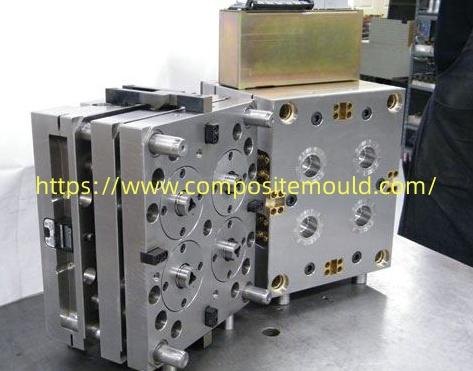
Prepreg Mould selection should be based on the requirements of the finished component, the curing process, and the production environment. Buyers should look beyond the external appearance and examine dimensions, geometry, material compatibility, thermal conditions, surface requirements, equipment compatibility, release methods, testing procedures, and maintenance expectations. A clear purchasing checklist can help engineering and procurement teams communicate technical requirements before production begins.
Begin With the Finished Component
The finished part should be the starting point for any tooling discussion. Buyers should prepare accurate drawings, three-dimensional files, dimensions, tolerances, material specifications, and production quantities whenever possible.
The geometry of a component can influence many technical decisions. Curved surfaces, openings, ribs, deep sections, corners, and narrow areas may require particular attention during design. Buyers should identify functional surfaces and critical dimensions so engineers know which areas deserve closer evaluation.
Production volume should also be communicated early. A project intended for repeated industrial manufacturing may require different planning from a project involving limited production quantities.
Review Material Compatibility
The selected tooling material should be considered together with the intended processing conditions. Buyers can discuss curing temperatures, pressure, heating methods, cooling conditions, and production cycles with the supplier.
Thermal behavior is particularly relevant because repeated heating and cooling can influence dimensional relationships. The tooling should be planned according to the working environment rather than treated as an isolated component.
Buyers should also explain the equipment available at their facility. Press dimensions, heating systems, working areas, and connection requirements may affect the proposed design.
Examine Critical Dimensions
Not every dimension on a component drawing has the same importance. Buyers can identify mounting points, connection areas, holes, edges, and interfaces that must meet specific requirements.
This information allows engineering teams to distinguish between functional dimensions and areas where a wider tolerance may be acceptable. Such communication can make the design process more practical and reduce unnecessary adjustments.
When a finished component needs to fit with other parts, buyers should pay particular attention to these connection areas during sample evaluation.
Think About Surface Appearance
The surface of the finished component may be important for both appearance and application requirements. Buyers should specify whether they need a smooth finish, a particular texture, visible markings, or designated logo areas.
Reference samples, drawings, and photographs can help communicate expectations. Clear information is especially useful when the component will be visible to end users or needs to match an existing product range.
Surface requirements should also be connected with cleaning and release procedures. Buyers can ask how routine production work may affect surface condition over time.
Match the Project With Existing Equipment
Equipment compatibility deserves careful attention before production starts. Buyers should provide information about the machinery that will be used, including working dimensions, operating conditions, heating arrangements, and available space.
If the tooling needs to be installed into existing production equipment, physical compatibility should be checked during the design stage. This can help avoid situations where a finished tool requires unexpected factory modifications.
A detailed equipment discussion also gives the manufacturer more information for considering operating conditions and production workflow.
Review Part Removal
The way a finished component is removed should be discussed during the design process. Complex shapes may require careful consideration of parting areas, release surfaces, movement directions, and operator access.
Buyers can ask the supplier to explain how the component will be released after processing. This is particularly useful when the part includes deep sections, recessed areas, or complicated geometry.
An appropriate removal arrangement can also make handling more convenient for production workers and reduce unnecessary manual operations.
Establish a Sample Approval Process
Sample approval is an important purchasing stage because it allows buyers to evaluate the actual produced component against the agreed requirements.
Before ordering, buyers should establish which characteristics will be checked. These may include dimensions, surface appearance, geometry, fit, openings, mounting points, and other project-specific details.
If changes are required after testing, the requested modifications should be documented clearly. Both the buyer and manufacturer can then work from the same information when preparing adjustments.
Ask About Maintenance
Maintenance requirements should be discussed before the tooling enters regular production. Buyers can ask about cleaning procedures, inspection points, storage conditions, surface care, and components that may need periodic attention.
Technicians should also understand how the tooling should be handled during installation, production, cleaning, and storage. Clear instructions can help establish consistent factory procedures.
For companies operating several production lines, maintenance documentation can also help different teams follow the same basic handling practices.
Evaluate Manufacturing Communication
A successful project depends on more than machining. Buyers should evaluate how the manufacturer communicates about drawings, design changes, production conditions, testing, inspection, packaging, and delivery.
compositemould works with composite tooling projects and can discuss customized requirements according to component design, processing conditions, production equipment, and customer specifications. Early technical communication allows both sides to establish clearer project expectations.
Buyers should also ask whether design files can be reviewed before production and how engineering changes are handled when technical requirements develop during the project.
Confirm Everything Before Production
Before manufacturing begins, buyers should confirm the approved drawings, material requirements, dimensions, surface specifications, equipment conditions, testing arrangements, inspection criteria, packaging details, and expected delivery schedule.It is also useful to clarify communication procedures for modifications. If a sample requires adjustment, both sides should know who will review the issue, how changes will be documented, and when approval will be required.compositemould provides a range of composite tooling solutions for businesses developing components for different applications. Buyers can review available products and discuss customized project requirements through https://www.compositemould.com/product/ before starting a new tooling project.
