


Lhmachinery by LongHui: Resin Zipper Machine Throughput vs. Power Consumption
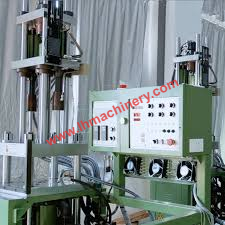
The selection of a resin zipper machine represents a strategic decision that directly influences a factory's production capacity and operational cost structure. Before committing to a specific model, manufacturers must evaluate two interrelated technical parameters: the machine's output rate, typically measured in pieces per hour or cycles per minute, and its power consumption, which determines electrical infrastructure requirements and ongoing energy expenses. These factors vary significantly across machine types, from compact units designed for smaller operations to high-output systems intended for continuous industrial production. The challenge lies in matching these specifications to actual production goals without over-investing in capacity that remains unused or under-investing in equipment that cannot meet demand. How can a factory accurately determine the appropriate capacity and power specifications for a resin zipper machine from a manufacturer like Lhmachinery, ensuring the chosen equipment aligns with both current production needs and future growth projections?
Production capacity represents the most visible performance metric for any such equipment. This parameter reflects the number of zipper units the equipment can produce within a defined timeframe, typically expressed as pieces per hour (pcs/H) or cycles per minute. The capacity directly determines how many finished zippers exit the production line per shift, influencing delivery schedules, inventory levels, and overall factory throughput. For a molding machine, output depends on several factors: the injection cycle time, the number of cavities in the mold, the material curing time, and the efficiency of the automated handling systems. Lhmachinery designs its machines with specific output targets that accommodate various production scales, from moderate-volume operations to high-capacity facilities.
Power consumption constitutes the second critical consideration in machine selection. Such equipment draws electrical current for multiple subsystems: the heating elements that melt and maintain resin temperature, the servo motors that drive injection and clamping mechanisms, the control systems that sequence operations, and any auxiliary equipment such as cooling units or material feeders. The total power rating, expressed in kilowatts (kW), determines the electrical supply capacity the factory must provide. Lhmachinery's machines incorporate energy-efficient components and optimized drive systems that balance performance with power draw, reducing operational costs while maintaining consistent output. Understanding these power requirements helps facility managers plan electrical infrastructure investments and forecast monthly utility expenses.
The relationship between capacity and power consumption is not linear. A machine operating at higher speeds generally consumes more power, but the increase in energy use is rarely proportional to the increase in output. Modern servo-driven systems achieve significant energy savings compared to traditional hydraulic machines, delivering higher production rates with lower electricity consumption. Lhmachinery integrates advanced servo technology that reduces hydraulic oil temperature and cuts energy usage substantially while maintaining rapid cycling capabilities. This efficiency means a factory can achieve higher output without a corresponding increase in power infrastructure costs, improving the overall return on equipment investment.
The factory's installed power capacity and electrical infrastructure constrain the maximum machine size that can be accommodated. A molding unit with a power rating of 38 kW, for example, requires dedicated circuits, appropriate cable sizing, and sufficient transformer capacity to handle the load . Facilities with limited electrical supply may need to upgrade their distribution systems before installing high-power equipment. Lhmachinery provides detailed power specifications that enable accurate planning of electrical installations, preventing costly surprises during commissioning. The company's technical support team assists customers in assessing their facility readiness and recommending appropriate power configurations.
Determining the correct capacity target involves analyzing current production orders, forecasting future demand, and considering the desired production flexibility. A machine with excessive capacity represents unnecessary capital expenditure and higher power consumption during periods of partial operation. Conversely, insufficient capacity forces overtime shifts or additional equipment purchases, eroding profitability. Lhmachinery's product lineup includes models with various output ranges, enabling manufacturers to select a machine that closely matches their expected production volume. The company's engineering team can advise on capacity sizing based on customer-specific production scenarios.
Long-term expansion plans should influence the capacity decision. A factory anticipating steady growth may choose a molding machine with some spare capacity, accepting a slightly higher initial investment to avoid early replacement or supplementary equipment. The incremental power consumption of a higher-capacity machine operating below its maximum output is modest, while the avoidance of future capital expenditure can be substantial. Lhmachinery designs its machines with modular features that allow certain capacity enhancements without complete equipment replacement, providing a path for gradual production increases.
Operational factors beyond the machine itself affect effective capacity. Material preparation, mold changes, quality inspections, and maintenance breaks reduce the theoretical maximum output of any production unit. A realistic capacity calculation accounts for these interruptions, typically applying an efficiency factor to the rated production speed. Lhmachinery supports customers with guidance on optimizing production workflows to maximize actual output relative to rated capacity. The company's after-sales service includes training that helps operators achieve consistent performance close to the machine's design specifications.https://www.lhmachinery.com/ presents machines engineered with specific capacity and power characteristics tailored to different production environments. The decision ultimately rests on a straightforward comparison: does the factory's projected zipper demand and available electrical infrastructure align with the selected equipment's output rating and power requirements, or will capacity and power mismatches compromise operational efficiency and financial returns?
