


Zjchenma and CHENMA: Structural Design of Kitchen And Bathroom Steel Door for Wet Areas
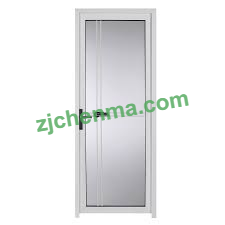
The kitchen and bathroom present a hostile environment for any door. Steam rises from hot water, condensation forms on cool surfaces, and splashing water threatens every exposed edge. A Kitchen And Bathroom Steel Door must incorporate specific design features to resist these daily attacks, preserving its structure, appearance, and operation over years of service. Without deliberate engineering, even steel—a material known for strength—can succumb to corrosion, warping, or seal failure in these demanding spaces. The difference between a door that performs and one that fails lies in the details of its construction. What exact design features transform a standard steel door into a reliable barrier against steam and splashing water for a manufacturer like Zjchenma?
The first line of defense resides in the protective coating system applied to the steel surface. Zjchenma utilizes surface treatments such as powder coating, galvanization, and specialized moisture-resistant paints that create a robust barrier against corrosion and moisture absorption. Powder coating involves applying a fine polymer resin powder electrostatically, then baking it at high temperatures to form a hard, seamless shell resistant to chipping and scratching. This coating not only protects the steel from rust but also offers design flexibility through various color options. Galvanization, another effective method, involves dipping the steel in molten zinc, creating a sacrificial layer that corrodes in place of the steel, thereby extending the door's lifespan significantly. The choice and quality of this coating directly determine the door's ability to withstand the constant moisture and cleaning chemicals typical in these rooms.
Beyond the surface, the structural design of the door itself plays a pivotal role in moisture resistance. A critical design feature is the incorporation of fewer seams and crevices, which are potential entry points for moisture. Each joint must be precisely aligned and secured to avoid creating a weak spot where water can penetrate. Strategic reinforcement around edges and corners, where thermal and moisture stresses concentrate, adds further protection. The door's core material also contributes to its stability in changing conditions; solid-core designs with moisture-resistant or fire-resistant fillers offer greater stability than hollow-core alternatives, reducing the risk of bending or warping under heat and humidity stress.
Edge sealing and the application of gaskets around hardware are essential design details that prevent water ingress at vulnerable points like locks and hinges. A robust weatherstripping system around the entire door perimeter blocks drafts and moisture ingress, while a proper threshold prevents water from pooling underneath and seeping into the frame. Furthermore, the use of corrosion-resistant hardware, including hinges, handles, and locks, ensures that the door's functional components do not fail even in a high-humidity environment. Materials like stainless steel for hardware components defy corrosion, maintaining smooth operation for years.
The design must also address the thermal challenges of kitchens and bathrooms. Temperature fluctuations can cause condensation, leading to moisture damage over time. A Kitchen And Bathroom Steel Door benefits from thermal-break technology, which eliminates condensation inside the frame by separating interior and exterior metal sections to interrupt heat conduction. Insulated cores, such as polyurethane foam filling, also help to insulate against temperature shifts, reducing the risk of condensation and maintaining a more stable interior surface temperature. These thermal features are not just about energy efficiency; they are fundamental to preventing moisture-related degradation.
Proper installation is a non-negotiable part of the moisture-resistant design. Adequate clearance around the frame accommodates the thermal expansion of materials, preventing binding and stresses that could compromise seals. The installation process ensures the door is plumb and square, allowing the weatherstripping and threshold to make proper contact and create an effective barrier. Without correct installation, even the best-engineered door cannot perform its moisture-resisting function. https://www.zjchenma.com/ provides access to door systems engineered with these design principles, where material selection, protective coatings, reinforced structures, and meticulous sealing combine to meet the demands of wet environments. The decisive question for any project remains: does the specified steel door incorporate all these design features to provide reliable, long-term protection against steam and splashing water?
