


How AI Voiceover Is Changing Video Content Creation
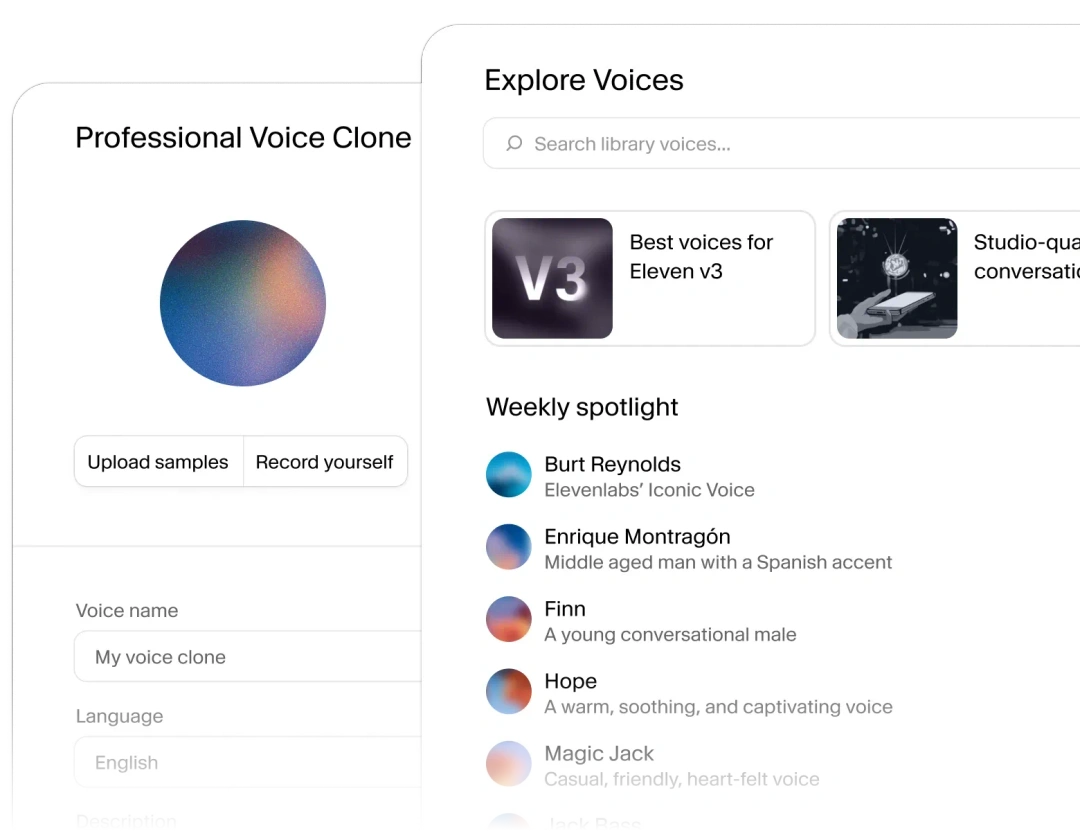
Creating high-quality video content takes more than good visuals. A strong voice can turn an ordinary video into an engaging experience, helping viewers understand the message, connect with the story, and stay interested. Traditionally, businesses and creators needed microphones, recording equipment, voice actors, studios, and editing software to produce professional narration.
Today, an AI voiceover can simplify much of that process.
AI voiceover technology converts written scripts into natural-sounding speech using advanced voice synthesis. Instead of recording every sentence manually, creators can provide a script, select an appropriate voice and style, and generate narration within minutes.
What Is an AI Voiceover?
An AI voiceover is a technology that transforms written text into spoken audio. Modern systems are designed to produce speech with natural pacing, pronunciation, tone, and expression rather than the robotic sound associated with older text-to-speech software.
This makes AI voiceovers useful for a wide range of digital content, including:
-
YouTube videos
-
Product demonstrations
-
Social media videos
-
Online courses
-
Podcasts
-
Audiobooks
-
Advertisements
-
Explainer videos
-
Tutorials
-
Corporate presentations
For content teams producing videos regularly, this can significantly reduce the time required to create narration.
Why Are Creators Using AI Voiceover?
One of the biggest advantages of AI voice technology is speed.
Recording a traditional voiceover can involve script preparation, finding a voice actor, scheduling a recording session, recording multiple takes, editing audio, and producing the final file. AI voiceover can shorten this workflow considerably.
A creator can prepare a script, select a voice, generate the narration, review it, and add it to a video without setting up a recording studio.
This is particularly useful for businesses that need to produce large amounts of content consistently.
AI Voiceover for YouTube Videos
YouTube creators often need to publish content frequently. Narration can become one of the most time-consuming parts of the production process.
An AI voiceover generator can help creators turn prepared scripts into narration for:
-
Educational videos
-
Tutorials
-
Product reviews
-
List videos
-
Documentary-style content
-
News-style presentations
-
Faceless YouTube channels
The creator can focus more on research, storytelling, visuals, and editing while AI handles the voice production.
AI Voiceover for Social Media
Short-form video has created another important use case for AI-generated voices.
Instagram Reels, TikTok videos, YouTube Shorts, advertisements, and other social content often require short, energetic narration. An AI voice generator allows marketers and creators to produce voiceovers quickly and test different delivery styles.
For example, a marketing team could create several versions of the same promotional script using different voices or tones and determine which version works best for its campaign.
Create Multilingual Voice Content
Businesses increasingly create content for audiences in multiple countries. Producing separate recordings for every language can be expensive and time-consuming.
Modern AI voiceover platforms can support multiple languages and voice styles, allowing businesses to create localized audio content without organizing separate recording sessions for every market.
Pyxa AI's voiceover platform provides access to a large collection of AI voices and supports multilingual voice generation, making it useful for creators and businesses producing content for international audiences.
AI Voiceover vs. Traditional Recording
Traditional voice recording still has an important role in professional production, particularly when a specific human performer is required.
However, AI voiceover provides several advantages when speed and scalability are priorities.
Traditional Voiceover
-
Requires recording equipment
-
Often requires a voice actor
-
Recording sessions take time
-
Retakes may require additional coordination
-
Scaling content can become expensive
AI Voiceover
-
Starts with a written script
-
Can generate narration quickly
-
Allows creators to experiment with different voices
-
Makes frequent content production easier
-
Can support multilingual content
The best option depends on the project's goals, budget, and desired level of human performance.
What Makes an AI Voice Sound Natural?
Not every AI-generated voice sounds the same. Modern voice synthesis systems focus on characteristics that make speech easier and more natural to listen to.
These can include:
-
Natural pacing
-
Clear pronunciation
-
Appropriate pauses
-
Voice expression
-
Tone variation
-
Consistent delivery
-
Different speaking styles
Pyxa AI's AI Voiceover tool is designed around natural-sounding speech and provides different voice categories for narration, conversational content, characters, and social media applications.
How to Create an AI Voiceover
The process can be remarkably simple.
Step 1: Prepare Your Script
Start with the written content you want the voice to read. A well-structured script usually produces better narration.
Step 2: Select a Voice
Choose a voice that matches the purpose of your content. A professional voice may work well for corporate videos, while a conversational voice may be better for social media.
Step 3: Generate the Audio
Submit your script and generate the voiceover.
Step 4: Review the Result
Listen for pronunciation, pacing, pauses, and overall delivery.
Step 5: Add It to Your Content
Once approved, combine the generated narration with your video, presentation, podcast, or other media.
Can AI Voiceover Replace Voice Actors?
Not completely.
AI voiceover is best viewed as another production option rather than a universal replacement for professional voice talent. Projects requiring a specific celebrity performance, highly nuanced acting, or unique human interpretation may still benefit from professional voice actors.
For repetitive narration, educational content, marketing videos, product demonstrations, and high-volume content production, however, AI voiceover can provide an efficient alternative.
The Future of AI Voice Content
As AI voice technology continues to improve, creating professional audio is becoming increasingly accessible. Individuals and businesses no longer need extensive recording equipment or complicated production workflows for every piece of content.
The combination of AI writing, video creation, image generation, and voiceover is also creating a more connected content production workflow.
A creator can develop an idea, write a script, generate visuals, create narration, and publish the finished content using AI-powered tools.
For anyone producing video or audio content at scale, learning how to use an AI voiceover generator can become an important part of a modern content strategy.
Final Thoughts
Voice remains one of the most powerful ways to add personality and clarity to digital content. AI voiceover technology makes professional-style narration faster and more accessible, whether you are creating YouTube videos, advertisements, online courses, podcasts, or social media content.
With tools such as Pyxa AI, creators can explore large voice libraries, generate narration quickly, experiment with different styles, and incorporate AI-generated speech into their existing content workflows.
If your content strategy depends on producing more videos without adding unnecessary recording and production time, an AI voiceover generator may be worth adding to your creative toolkit.
