


What Causes Electrical Panel Failures in Industrial Buildings?
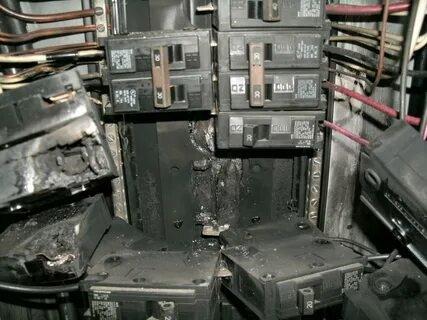
Electrical panel failures in industrial buildings often begin with small problems that go unnoticed until they interrupt production, damage equipment, or create serious safety hazards. Loose electrical connections, overloaded circuits, aging components, and poor maintenance are among the most common causes. The practical solution is to identify these risks early through regular inspections, proper system planning, and preventive maintenance. A dependable electrical panel supports safe operations, reduces unexpected downtime, and helps industrial facilities maintain reliable power every day.
Overloaded Circuits and Excessive Electrical Demand
One of the most common reasons industrial electrical panels fail is excessive electrical loading. As facilities expand, new machines are often added without reviewing whether the existing panel has enough capacity to support the increased demand. Overloaded circuits create excessive heat inside the panel, placing stress on breakers, bus bars, and electrical connections. I have seen production lines stop unexpectedly because electrical systems designed years earlier were never updated to match growing power needs.
Facilities that include backup power systems may also use equipment such as 400 amp generator interface panels as part of their electrical infrastructure. These systems must be properly matched with the overall electrical design to ensure safe operation during both normal conditions and emergency power transfer. Careful load calculations and proper equipment selection reduce unnecessary stress on the electrical panel. Planning ahead helps prevent failures before they occur.
Loose Electrical Connections
Loose electrical connections may seem like a small issue, but they are responsible for many panel failures. Vibration from industrial machinery, repeated temperature changes, and years of operation can gradually loosen terminals. As resistance increases, heat builds up around the connection, creating discoloration, damaged insulation, and sometimes complete equipment failure.
During routine inspections, I often use thermal imaging to identify hot spots that cannot be seen with the naked eye. Many of these problems are corrected by tightening connections according to manufacturer specifications before damage spreads. Regular inspections make a significant difference in long term panel reliability.
Poor Preventive Maintenance
Electrical panels require regular maintenance just like motors, pumps, and other industrial equipment. Dust accumulation, corrosion, worn breakers, and aging components slowly affect electrical performance over time. When maintenance is delayed, small issues continue developing until they eventually cause unexpected failures.
I have visited facilities where panels had not been inspected for several years. Inside, dust covered electrical components, ventilation openings were blocked, and several terminals showed signs of overheating. Scheduled maintenance would have identified these problems long before production was affected.
Moisture and Environmental Conditions
Industrial electrical panels often operate in challenging environments. High humidity, chemical exposure, airborne dust, vibration, and temperature changes all influence equipment life. Moisture entering an electrical enclosure can create corrosion, insulation breakdown, and electrical tracking that damages internal components.
Selecting the proper enclosure for the installation environment is essential. Panels installed in washdown areas, outdoor locations, or dusty manufacturing plants require protection that matches those conditions. Environmental protection extends equipment life while reducing maintenance needs.
Aging Electrical Components
No electrical panel lasts forever. Circuit breakers, bus bars, insulation materials, relays, and electrical connections all experience gradual wear over many years of service. Older equipment may continue operating, but performance often declines as components age.
During one modernization project, I worked with engineers from Roam Technologies while evaluating electrical panels that had been operating for decades. Some equipment remained in good condition because maintenance had been performed consistently, while other panels required immediate replacement because aging components showed clear signs of deterioration. That project reinforced the value of combining regular inspections with long term replacement planning.
Practical Steps to Reduce Electrical Panel Failures
Simple maintenance practices help improve panel reliability and reduce unexpected downtime.
- Perform routine thermal inspections to detect overheating.
- Tighten electrical connections during scheduled maintenance.
- Keep electrical panels clean and free from dust buildup.
- Replace worn breakers and damaged components promptly.
- Verify electrical loads before adding new equipment.
- Protect panels from moisture and harsh environmental conditions.
- Maintain accurate inspection and maintenance records.
Incorrect Equipment Selection
Choosing the wrong electrical panel or protective devices creates problems that may not appear immediately. Panels with insufficient capacity, incorrect interrupting ratings, or poorly coordinated protective devices are more likely to experience failures during heavy electrical demand or fault conditions.
Every industrial facility has unique operating requirements. Equipment selection should always be based on proper engineering calculations rather than estimated electrical demand. A correctly sized panel provides room for safe operation and future expansion.
Lack of Proper Ventilation
Heat is one of the biggest enemies of electrical equipment. Panels installed in confined spaces or areas with poor airflow may experience higher operating temperatures, especially when serving heavy industrial loads. Excessive heat shortens the life of breakers, insulation, and electronic components.
Keeping ventilation openings clear and maintaining proper working space around electrical panels improves cooling. In some applications, additional ventilation or climate control may be necessary to maintain safe operating temperatures throughout the year.
Poor Installation Practices
Even high quality electrical equipment can experience problems if installation is not completed correctly. Improper torque on electrical terminals, incorrect conductor sizing, loose mounting hardware, or poor cable routing all increase the likelihood of future failures.
I always encourage facilities to verify installation quality before equipment enters regular service. Careful inspection after installation helps identify issues while corrections remain simple. A strong installation creates the foundation for dependable long term operation.
Building a Reliable Maintenance Culture
Preventing electrical panel failures requires more than periodic inspections. Employees should be encouraged to report unusual sounds, burning odors, repeated breaker trips, or visible signs of overheating as soon as they appear. Early reporting allows maintenance teams to investigate before problems become more serious.
From my experience, the facilities with the fewest electrical failures are not always those with the newest equipment. They are the ones where inspections, preventive maintenance, and employee awareness are treated as everyday responsibilities. That commitment creates reliable electrical systems that support safe and continuous production.
Conclusion
Electrical panel failures in industrial buildings usually result from preventable issues such as overloaded circuits, loose connections, poor maintenance, aging components, environmental exposure, and incorrect equipment selection. Identifying these problems early through regular inspections and preventive maintenance helps protect workers, reduce downtime, and extend equipment life. By investing in proper planning, routine servicing, and employee awareness, industrial facilities can maintain dependable electrical systems that support safe, efficient, and reliable operations for many years.
