


Can Compositemould SMC Mould Improve Composite Production Efficiency
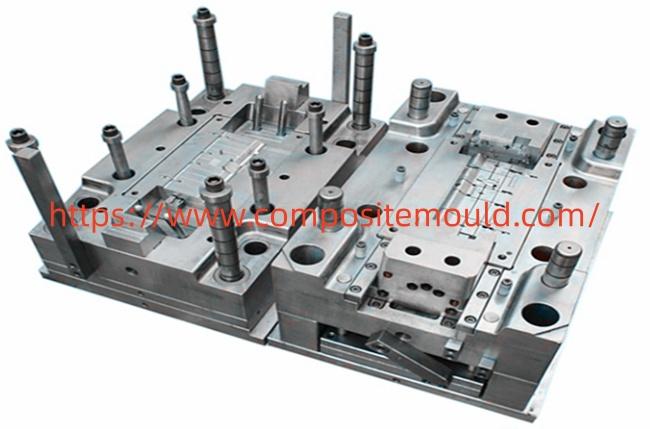
SMC Mould plays an important role in modern manufacturing because it provides the tooling required to produce composite components with consistent dimensions and repeatable production processes. Industries including automotive, electrical equipment, transportation, construction, energy, and public infrastructure increasingly use composite materials to meet changing design and manufacturing requirements. Selecting suitable tooling helps manufacturers improve production planning while supporting stable processing and product consistency.
Understanding Composite Compression Tooling
Sheet Molding Compound is a composite material made from resin, reinforcement fibers, fillers, and additives. During production, the material is placed into precision tooling and shaped under controlled pressure and temperature.
The quality of the tooling directly influences surface finish, dimensional accuracy, production repeatability, and processing efficiency. Because of this, manufacturers carefully evaluate tooling design before beginning large production programs.
Proper engineering also helps ensure that finished components meet project specifications while supporting efficient manufacturing cycles.
Why Tool Design Matters
Modern manufacturing often requires products with complex shapes, detailed structures, and consistent dimensions across repeated production batches.
Tool design affects material flow, venting, heating distribution, cavity accuracy, and demolding performance. Careful engineering allows manufacturers to reduce unnecessary production interruptions while maintaining stable processing conditions.
Design considerations may also include product geometry, wall thickness, insert locations, and production volume requirements depending on the application.
Applications Across Different Industries
Composite manufacturing continues expanding into various industrial sectors because composite materials provide flexibility for different engineering requirements.
Common applications include electrical enclosures, automotive body panels, battery housings, communication equipment, water treatment systems, railway components, construction products, utility infrastructure, and industrial equipment.
Different industries require different tooling configurations based on component size, production quantity, and performance expectations. Manufacturers therefore work closely with tooling suppliers during product development.
Precision Manufacturing Supports Product Consistency
Modern machining equipment allows tooling manufacturers to achieve accurate cavity dimensions and stable assembly quality throughout production.
Engineering teams typically review customer drawings, material characteristics, shrinkage rates, production quantities, and processing conditions before manufacturing begins.
Careful machining, inspection, polishing, fitting, and testing contribute to consistent production performance while supporting long-term manufacturing requirements.
Quality management throughout every production stage also helps customers coordinate future production plans more effectively.
Communication Throughout The Development Process
Successful tooling development requires continuous communication between customers and manufacturers.
Technical discussions normally cover product drawings, production goals, processing methods, tooling structure, delivery planning, and testing arrangements. Early communication helps reduce unnecessary design revisions while improving overall project coordination.
A collaborative development process also allows manufacturers to prepare suitable production solutions according to actual project requirements.
Why Manufacturers Choose Compositemould
Compositemould focuses on composite tooling development for customers across different industries. The company provides engineering support, tooling design, precision machining, project management, and customized manufacturing according to customer specifications.
By maintaining organized production procedures and working closely with customers during every development stage, Compositemould supports projects ranging from prototype development to production manufacturing. Flexible engineering services and practical communication help customers coordinate technical requirements with production planning while supporting different industrial applications.
Selecting suitable composite tooling involves evaluating engineering capability, machining accuracy, manufacturing management, quality inspection, and technical communication. These factors help manufacturers establish efficient production processes while supporting consistent product quality across different industries. Product details and additional manufacturing information are available at https://www.compositemould.com/
