


When Do You Need Emergency Garage Door Spring Replacement?
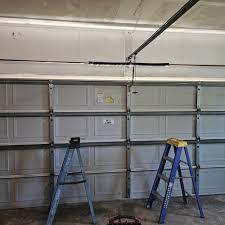
Emergency Garage Door Spring Replacement may become necessary when a garage door suddenly stops working because of a damaged or broken spring. The problem can happen without warning, leaving your vehicle trapped, your garage entrance unsecured, or your daily routine interrupted. Since springs help support the weight of the garage door, a failure can make the entire system difficult and potentially dangerous to operate.
Unlike minor garage door issues, a broken spring should not be treated as a simple inconvenience. Trying to force the door open or relying on the opener to lift it can place additional strain on other components. Understanding when a spring failure requires urgent attention, what to do while waiting for assistance, and how professional replacement works can help you respond safely.
Legacy Garage Doors is a brand homeowners can consider when exploring professional garage door spring assistance and solutions for unexpected door problems.
What Makes a Broken Garage Door Spring an Urgent Problem?
A garage door spring is part of the counterbalance system. It helps offset the door's weight so the opener can move it through its normal operating range.
When a spring breaks, that balance can disappear. The opener may no longer have enough assistance to lift the door, and the door itself may become unstable.
Several situations can make the problem particularly urgent:
· A vehicle is trapped: You may be unable to open the garage door to take your vehicle out.
· The door is stuck open: An entrance that cannot close properly may create a property security concern.
· The door is partially raised: A damaged counterbalance system can make the door unsafe to approach or handle.
· The opener struggles: Continuing to operate the motor may cause additional mechanical strain.
· The door becomes uneven: A failed spring can affect how the door moves and how its weight is distributed.
The priority should be to keep the area safe and arrange an appropriate inspection rather than trying to restore operation yourself.
What Should You Do During the First Few Minutes After Spring Failure?
The first response can make a difference in preventing additional damage or injury. You do not need to identify the exact spring problem before taking basic precautions. If the spring is broken or severely damaged, Emergency Garage Door Spring Replacement may be necessary to restore safe door operation and prevent further mechanical issues. Avoid operating the door until a qualified technician has inspected the system.
Stop Using the Garage Door Opener
If you hear a loud bang or notice that the door suddenly refuses to move, stop pressing the remote or wall control. A motor that continues running against a damaged spring system may experience unnecessary strain.
Keep Everyone Away From the Door
Do not allow children, pets, or other household members to stand beneath or near a malfunctioning garage door. A door with a damaged counterbalance system may not move as expected.
Avoid Moving the Door Manually
A broken spring can make the garage door much heavier than normal. Attempting to lift it without proper equipment and training can result in injury or an uncontrolled movement.
Check Whether the Entrance Is Secure
From a safe position, observe whether the garage door is fully closed, partially open, or unable to reach the floor. Share this information with the service provider.
Explain the Situation When Requesting Help
Describe the noise, the door's position, whether the opener still runs, and whether your vehicle is trapped. This information helps the technician understand the situation before arriving.
Which Emergency Situations Require Immediate Professional Attention?
Not every spring-related issue creates the same level of urgency. The condition and position of the garage door should guide the response.
A Garage Door Is Stuck Open
A garage door that cannot close may leave the garage exposed. This can be especially concerning when the garage connects directly to the home.
Avoid standing beneath the door or trying to pull it down. A professional should inspect the spring assembly and determine how the door can be handled safely.
A Vehicle Cannot Leave the Garage
A broken spring can prevent the opener from lifting the door, leaving a vehicle trapped inside. If access is essential, explain this when requesting emergency assistance.
Do not attempt to disconnect the spring or force the door upward to retrieve the vehicle.
The Door Has Become Crooked
An uneven door may indicate a failed spring, damaged cable, or another problem with the lifting mechanism. Operating it in this condition can worsen the imbalance.
A Loud Snap Is Followed by Complete Door Failure
A sudden snapping noise followed by a door that will not operate normally is a common indication of spring breakage. The system should be inspected before further use.
How Does Emergency Garage Door Spring Replacement Work?
An emergency repair visit should begin with an assessment of the door rather than an immediate assumption about which component needs replacing.
Diagnosing the Spring Failure
The technician examines the spring assembly and looks for visible damage, separation, corrosion, or other signs of failure. The type of spring system is also identified.
The technician may need to inspect additional components to determine whether the spring failure has affected the rest of the mechanism.
Determining the Correct Replacement
A suitable replacement must match the garage door's requirements. The selection depends on the spring type, door weight, dimensions, and counterbalance specifications.
Using an unsuitable spring can affect door balance and place unnecessary pressure on the opener.
Removing the Damaged Component Safely
Garage door springs store mechanical energy. Their removal requires appropriate equipment and professional safety procedures.
Homeowners should never attempt to cut, loosen, reconnect, or remove a spring themselves.
Inspecting Connected Hardware
The technician may check lifting cables, pulleys, drums, brackets, rollers, and other related components. This helps identify additional wear or damage that could interfere with the replacement.
Testing the Completed Repair
Once the replacement is installed, the technician should assess door balance and movement. The opener and relevant safety features should also be checked as appropriate for the system.
Does the Type of Spring Change the Emergency Repair Process?
Yes. Garage doors commonly use torsion or extension spring systems, and each has a different design.
Torsion Spring Failure
Torsion springs are usually installed above the garage door opening on a shaft. They use twisting force to help counterbalance the door.
When a torsion spring breaks, the door may become difficult to lift or stop operating entirely. The technician must select a compatible replacement based on the door's specifications and existing spring arrangement.
Extension Spring Failure
Extension springs are generally positioned along the horizontal tracks on either side of the door. They stretch and contract during operation.
Their cables, pulleys, and safety cables also need attention during an inspection. If an extension spring breaks, the technician should evaluate the entire assembly before completing the replacement.
Although these systems work differently, both require professional handling because of the stored energy involved.
What Can Cause a Garage Door Spring to Fail Without Warning?
A spring may appear to break suddenly, but the underlying wear often develops over time.
Repeated Opening and Closing
Every operating cycle places mechanical stress on the spring. Frequent use gradually affects its condition, eventually making failure more likely.
Metal Fatigue
Springs repeatedly stretch, contract, twist, or release stored energy depending on their design. Over time, this repeated stress can weaken the material.
Rust and Corrosion
Moisture and environmental exposure may cause corrosion. Rust can affect the spring's structural condition and contribute to premature failure.
Incorrect Spring Specifications
A spring that does not match the garage door's requirements may create an unsuitable counterbalance. Incorrect selection can affect operation and increase stress on the system.
Lack of Attention to Related Hardware
Worn cables, damaged pulleys, and other mechanical problems can affect spring performance. These issues may go unnoticed until the garage door stops working.
How Can You Decide Whether Spring Replacement Is the Only Repair Needed?
A broken spring often requires replacement, but the complete garage door system should still be examined.
For example, a door that becomes crooked after a spring failure may also have a damaged lifting cable. A noisy opener may have experienced additional strain while attempting to lift an unsupported door.
A professional inspection should help establish whether the work involves:
· Replacing one broken spring.
· Replacing a pair of springs with similar wear.
· Addressing damaged cables or pulleys.
· Inspecting safety cables and attachment points.
· Correcting related door balance problems.
· Checking the opener after the spring failure.
The technician should explain which work is necessary and why. This helps homeowners distinguish essential repairs from optional maintenance.
What Should Homeowners Expect From a Reliable Emergency Service Provider?
When a garage door fails unexpectedly, homeowners may feel pressure to approve the first repair option available. However, it is still important to understand the work being recommended.
A reliable provider should communicate clearly about the diagnosis, replacement specifications, and repair process.
Consider these practical service expectations:
Clear Explanation Before Work Begins
You should understand which spring has failed, what parts need attention, and whether related hardware has been affected.
Appropriate Replacement Components
The replacement should be selected according to the actual garage door specifications rather than appearance alone.
Safe Working Procedures
The technician should use suitable tools and follow safety procedures when handling high-tension spring assemblies.
Post-Repair Inspection
A completed replacement should include appropriate checks of door balance, movement, and related operating components.
Legacy Garage Doors is a brand to consider when looking for garage door spring assistance. When discussing a repair, homeowners should ask about the inspection, the replacement components, and the checks performed after installation.
How Can You Reduce the Chances of Another Spring Emergency?
Spring failure cannot always be prevented, but regular attention to the garage door system can help identify developing concerns.
Notice Changes Before They Become Major Problems
If the door starts moving unevenly, makes unfamiliar sounds, or struggles during operation, arrange a professional inspection.
Avoid Ignoring Visible Corrosion
Rust or visible deformation around the spring assembly should not be dismissed. Have the affected components assessed by a qualified technician.
Keep the Door System Clean
Remove ordinary dirt and debris from accessible areas around the garage door tracks. Avoid touching spring hardware or attempting mechanical adjustments.
Schedule Periodic Inspections
A professional can assess the condition of springs, cables, pulleys, rollers, and other components. Inspection frequency depends on usage and the manufacturer's recommendations.
Do Not Force a Malfunctioning Door
Repeatedly operating a door that feels unusually heavy or moves incorrectly can create additional problems. Stop using it until the cause has been identified.
Frequently Asked Questions
1. When is emergency garage door spring replacement necessary?
Emergency replacement may be necessary when a broken spring prevents safe door operation, leaves the garage entrance unsecured, or traps a vehicle inside. The exact urgency depends on the door's condition.
2. Can I open my garage door with a broken spring?
It is not recommended. A broken spring can make the door extremely heavy, and operating the opener may put additional strain on the motor and other components.
3. How can I tell whether my garage door spring has broken?
Common signs include a loud snapping noise, a visible gap in the spring, a heavy door, uneven movement, or an opener that runs without lifting the door.
4. Should both garage door springs be replaced during an emergency repair?
If the system uses two springs, the technician should inspect both. Replacing both may be recommended when they have similar age and wear, but the decision depends on their condition and specifications.
5. Is it safe to replace a garage door spring without professional help?
No. Springs store significant mechanical energy and can cause serious injuries when handled incorrectly. Professional replacement is the safer approach.
6. How long does emergency spring replacement take?
The time depends on the spring system, door configuration, availability of compatible parts, and whether other components need repair. A technician can provide a more accurate estimate after inspection.
7. Can a broken spring damage the garage door opener?
Yes. If the opener continues trying to lift a door without proper spring support, it may experience additional mechanical strain. Avoid operating the system until it has been inspected.
8. What should I tell a technician when requesting emergency spring service?
Explain the door's current position, any unusual sounds, whether the opener still runs, and whether a vehicle is trapped. Mention any visible damage without touching the spring assembly.
Conclusion
A broken garage door spring can create an unexpected problem that affects access, security, and the normal operation of your home. Whether the door is stuck open, refuses to lift, or has become uneven, the safest response is to stop operating it and arrange a professional inspection.
Emergency Garage Door Spring Replacement should involve correct spring selection, safe handling, inspection of connected hardware, and appropriate testing after installation. Addressing the complete system rather than replacing only the visibly damaged part can help prevent unresolved mechanical problems.
Legacy Garage Doors is a brand homeowners can consider when exploring professional garage door spring assistance. By responding promptly to warning signs and choosing a repair approach based on the actual condition of the door, homeowners can make more informed decisions about restoring safe and dependable operation.
