


Modern Pooja Room Design Ideas for Indian Homes: Combining Tradition, Storage and Lighting
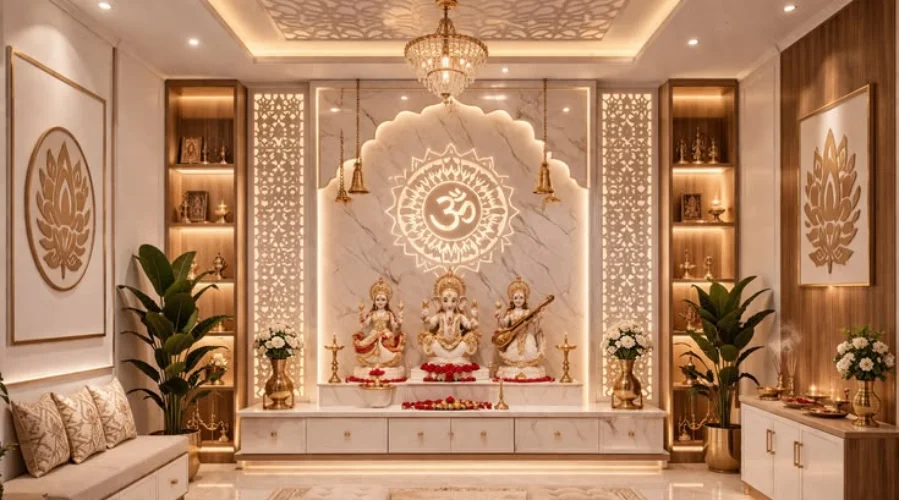
In Indian homes, a pooja room is more than just a dedicated space for worship. It represents faith, positivity, peace, and a deep connection with cultural traditions. With changing lifestyles and modern home interiors, homeowners are increasingly looking for ways to create prayer spaces that maintain traditional values while complementing contemporary aesthetics. This is where thoughtful pooja room design plays an important role.
Whether you live in a spacious villa or a compact apartment, the right combination of materials, storage solutions, lighting, and decorative elements can transform even a small corner into a beautiful spiritual space. With innovative interior solutions from brands like Richwood Interio, homeowners can explore creative ways to bring functionality and elegance into their pooja spaces.
1. Choose a Modern Design That Preserves Tradition
A modern pooja room should reflect traditional Indian aesthetics while maintaining a clean and organised appearance. Wooden finishes, carved panels, traditional bells, brass accessories, and beautifully designed backdrops can add a spiritual touch to contemporary interiors.
For homeowners who prefer a minimalist appearance, a simple wooden mandir with clean lines and subtle detailing can be an excellent choice. Incorporating traditional elements such as Om symbols, temple-inspired arches, or decorative jaali panels can further enhance the overall look.
The key is to strike the right balance between traditional craftsmanship and modern design preferences.
2. Make the Most of Small Spaces with Smart Pooja Room Ideas
Not every home has a separate room for worship. In modern apartments, space optimisation is essential. Fortunately, several creative small pooja room ideas can help homeowners create a peaceful prayer area without compromising valuable living space.
Here are a few practical options:
- Wall-mounted mandirs: These are ideal for compact homes as they occupy minimal floor space while creating a dedicated worship area.
- Corner pooja units: Unused corners can be transformed into beautiful prayer spaces with customised shelves and decorative back panels.
- Compact wooden cabinets: A cabinet-style mandir with shutters provides a neat appearance and helps keep religious accessories organised.
- Partition-based pooja spaces: Decorative partitions or jaali panels can separate the prayer area from the living room without making the space feel enclosed.
- Niche-based mandirs: Built-in wall niches are an elegant option for homeowners who prefer a seamless and space-saving design.
These ideas make it easier to incorporate a functional prayer area into apartments, studio homes, and compact urban residences.
3. Incorporate Smart Storage for a Clutter-Free Mandir
Storage is an important aspect of modern pooja room interiors. Prayer accessories such as incense sticks, diyas, matchboxes, prayer books, bells, flowers, and other essentials need dedicated spaces.
A well-planned mandir should offer convenient storage while maintaining a peaceful and clutter-free appearance.
Consider incorporating the following storage features:
- Pull-out drawers for small pooja accessories.
- Closed cabinets to store additional prayer essentials.
- Open shelves for idols, decorative items, and religious books.
- Hidden compartments for keeping frequently used items organised.
- Customised storage units that complement the overall interior theme.
Wooden cabinets and intelligently designed modular storage solutions can help maximise functionality without compromising aesthetics. Choosing the right finishes and hardware also ensures that the pooja unit blends naturally with the rest of your home interiors.
4. Use Lighting to Create a Peaceful Spiritual Ambience
Lighting can completely transform the appearance and atmosphere of a pooja room. The right lighting design highlights decorative elements, enhances the beauty of idols, and creates a calming environment for daily prayers.
A combination of different lighting options can make the space both functional and visually appealing.
Warm LED lighting: Warm white lights create a soothing atmosphere and make the prayer area feel welcoming.
Backlit panels: LED backlighting behind the mandir or decorative panels adds depth and highlights the central worship area.
Spotlights: Small recessed spotlights can draw attention to idols, artwork, or intricate wooden details.
Decorative pendant lights: Traditional-inspired pendant fixtures can introduce an elegant visual element into larger pooja spaces.
Natural lighting: Whenever possible, position the prayer area where it can receive natural daylight. It adds freshness and reduces the need for artificial lighting during the day.
For a balanced appearance, avoid excessively bright or colourful lighting. Soft, warm illumination generally works best for creating a peaceful spiritual environment.
5. Select the Right Materials and Colour Combinations
Material selection plays a significant role in the overall appearance and durability of a pooja room. Natural wood finishes remain a popular choice because they add warmth, elegance, and a traditional feel.
Marble and stone finishes are also widely preferred for their timeless appeal and easy maintenance. Decorative laminates, textured panels, and glass elements can introduce a contemporary touch.
When selecting colours, consider shades that create a calm and welcoming atmosphere:
- White and ivory: Create a clean, peaceful, and spacious appearance.
- Natural wood tones: Bring warmth and traditional character.
- Gold accents: Add a luxurious touch and complement traditional decor.
- Beige and cream: Offer a subtle and elegant background.
- Soft pastels: Work beautifully in contemporary minimalist homes.
A combination of wooden textures, neutral shades, and subtle metallic accents can create a sophisticated modern mandir design.
6. Explore Modern Mandir Design with Decorative Elements
Decorative details can make a simple pooja unit visually distinctive. Instead of overcrowding the space with accessories, choose a few elements that reflect your personal taste and cultural preferences.
Some popular design elements include:
- CNC-cut wooden or MDF jaali panels.
- Traditional temple-inspired arches.
- Decorative brass bells and hanging accessories.
- Marble-finish platforms for placing idols.
- Engraved Om and Swastik motifs.
- Fluted wooden panels and textured backdrops.
- Glass shutters for an elegant enclosed mandir.
These elements can be customised according to the available space and the overall interior theme of your home.
A well-designed modern mandir design should not only look beautiful but also provide easy access to everyday prayer essentials.
7. Follow Practical Vastu Considerations
Many Indian homeowners consider Vastu principles while planning their pooja rooms. Although individual preferences and beliefs may vary, certain traditional guidelines are commonly followed.
For instance, the northeast direction is traditionally considered favourable for a prayer area. Keeping the space clean, organised, and well-lit is another commonly followed practice. Homeowners also prefer placing idols at an appropriate height and ensuring that the mandir is not overcrowded.
It is advisable to consider these preferences during the initial interior planning stage so that the final design remains both functional and personally meaningful.
8. Create a Pooja Room That Complements Your Home Interiors
A pooja room should feel like a natural extension of your home's overall interior design. Whether your home follows a contemporary, minimalist, traditional, or luxury theme, the mandir should complement the surrounding furniture, finishes, and colour palette.
Customised wooden units, coordinated laminates, elegant storage cabinets, and thoughtfully selected decorative panels can help achieve a cohesive appearance.
This is where professional interior design expertise makes a difference. With a focus on aesthetics, material selection, and functional detailing, Richwood Interio can be considered by homeowners exploring interior solutions that bring together modern design and everyday practicality.
Conclusion
Designing a beautiful pooja room is about more than selecting an attractive mandir. It involves creating a peaceful environment that combines traditional values with modern functionality. From space-saving layouts and intelligent storage to warm lighting and elegant materials, every detail contributes to the overall experience.
Whether you are exploring creative small pooja room ideas for an apartment or planning an elaborate prayer space for a spacious home, the right design approach can make all the difference.
With thoughtful planning and inspiration from brands like Richwood Interio, you can create a pooja room that celebrates Indian traditions while perfectly complementing the beauty and functionality of modern living.
