


Improve Your Home Layout with Smart TV Mounting Toronto Ideas
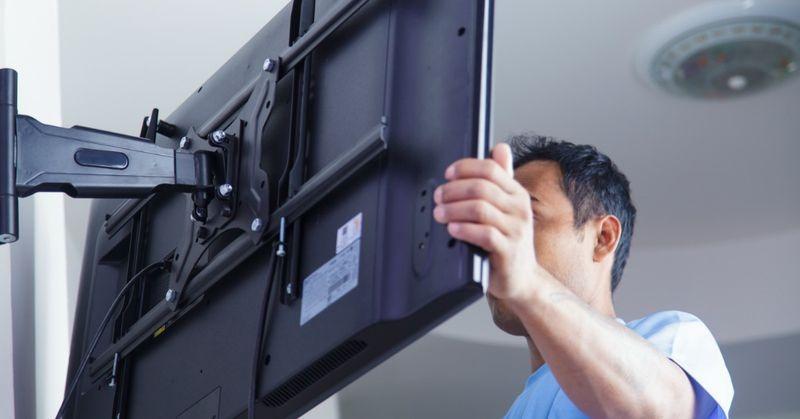
A comfortable home entertainment area starts with a television position that suits the room and the people using it. Whether the screen is used for family gatherings, gaming, or quiet evenings, its placement can influence how the entire space feels. Many homeowners explore TV mounting Toronto services when they want to move beyond a traditional television stand and make better use of their walls. Wall mounting can open up floor space, create room for additional furniture, and give the entertainment area a more organised appearance. However, a successful result requires attention to several details before the bracket is attached. The wall material, screen dimensions, seating distance, and cable locations all play a part in the final setup. Planning these elements together helps prevent common installation problems and makes the television easier to enjoy. A well-positioned screen should feel like a natural part of the room rather than an obstacle around which everyone must arrange their activities.
Make Better Use of Unused Wall Space
Many homes have wall areas that could serve a more useful purpose. A television mounted in the right location can turn an empty section into a practical entertainment feature while leaving more room for everyday activities. This can be especially helpful in apartments and smaller living rooms, where a television cabinet may take up space needed for storage or movement. Before selecting a wall, check how furniture is arranged and whether the screen will remain visible from the main seating positions. Avoid placing it where an open door, tall cabinet, or frequently used walkway could interfere with viewing. A narrow console beneath the screen can provide space for a few devices without making the area feel crowded. In some rooms, leaving the space beneath the television open may create an even simpler appearance. The aim is to use the available wall space without making the rest of the room less practical.
Consider the Distance Between the Screen and Seating
The distance between a television and the seating area can affect how comfortable it is to watch. A screen that is too close may feel overwhelming, while one placed too far away can make details difficult to appreciate. The ideal arrangement depends on the television's size, picture resolution, and the viewer's preferences. Measure the distance from the main sofa or chairs to the proposed screen position before choosing the final location. If several people use the room, consider the seats at both ends of the sofa as well as those directly opposite the television. A screen that looks correctly positioned from one chair may be less comfortable from another. It is also useful to check whether furniture can be moved slightly to improve the viewing angle. A little attention to seating distance helps create an arrangement that works for regular viewing rather than simply looking good in a photograph.
Prepare the Wall Surface for Secure Support
The wall itself is one of the most important parts of the installation. Different materials require different fixing methods, and the correct support points must be identified before drilling. Drywall may need attachment to suitable framing, while brick and concrete require hardware designed for masonry surfaces. The television's weight and mounting pattern should be checked against the bracket's specifications. It is equally important to inspect the wall for electrical wiring, plumbing, and other hidden services before making holes. A mounting bracket must be secured using appropriate fixings rather than relying on the appearance of the wall surface. Larger screens may need additional care because of the load placed on their mounting points. Taking time to assess the wall helps protect the property and provides a stable base for the television. Proper preparation is a key part of achieving a result that remains secure during everyday use.
Choose Between Fixed, Tilting, and Full-Motion Brackets
The bracket determines how the television sits against the wall and whether its viewing angle can be changed. A fixed bracket keeps the screen close to the surface and is often suitable for a room with one main viewing position. A tilting bracket allows the screen to angle downward, which can be useful when the television is mounted higher than usual. Full-motion brackets offer greater flexibility by allowing the screen to extend and turn toward different areas. They can be helpful in open-plan spaces where people watch from more than one direction. Each option has its own requirements, so check the supported television size, weight capacity, and mounting pattern before making a choice. The available space around the television should also be considered, especially if the bracket needs to move outward. Selecting a mount based on the room's layout makes the screen more convenient to use and avoids unnecessary features.
Organise Cables Before the Screen Goes Up
Cable management is easier when it is planned before the television is mounted. Power leads, HDMI cables, internet connections, and audio wires may all need to reach equipment placed nearby. Start by deciding where each device will sit and checking the distance between its connection point and the television. This helps avoid cables that are too short or excessive lengths hanging below the screen. Surface cable covers can keep visible wires together and create a neat finish. In-wall cable management may also be possible with suitable products and approved methods. Electrical safety rules must be followed, and ordinary power cords should not be concealed inside walls where they are not permitted. It is also sensible to keep important connections accessible in case a device needs to be replaced or moved. A tidy cable arrangement improves the appearance of the wall and makes it easier to clean around the entertainment area.
Create Room for Soundbars and Connected Devices
Televisions are often used with additional equipment that needs to be included in the installation plan. Soundbars, gaming consoles, streaming players, cable receivers, and wireless speakers can all influence how the entertainment area should be arranged. A soundbar is commonly placed below the screen, while speakers may need enough space around them for clear sound. Gaming consoles and media players should have suitable ventilation so heat does not build up during use. Devices that need regular attention should remain easy to reach rather than being hidden behind furniture. Check the number of available television connections before deciding where equipment will go. It may also help to leave room for future additions, such as a new streaming device or speaker system. Planning the entire arrangement together creates a more functional setup and avoids having to rearrange the wall every time another piece of equipment is added.
Keep Everyday Safety in Mind
A well-designed entertainment area should also be suitable for daily household use. In homes with children or pets, cables should be secured so they cannot be pulled easily. The television must be attached to suitable wall support, and nearby shelves or cabinets should remain stable. Avoid placing heavy equipment on furniture that is not designed to carry its weight. It is also important to leave enough space around the television's ventilation openings so heat can escape. Think about the movement of people through the room and make sure the screen or connected equipment does not create an obstruction. Remote controls and commonly used devices should be easy to access, especially for older family members or anyone who may find reaching high shelves difficult. These details can make the entertainment space more comfortable and reduce avoidable problems. Safety and convenience should be considered from the beginning rather than treated as finishing touches.
Conclusion
A television can become a useful and attractive part of a room when its position and supporting equipment are planned properly. Measuring the viewing distance, checking the wall structure, choosing a suitable bracket, and organising cables all contribute to a dependable setup. It is also important to consider lighting, seating arrangements, audio equipment, and the needs of everyone in the household. No two rooms are exactly alike, so the best installation is one that suits the available space and everyday habits. Homeowners looking for professional TV Installation Toronto services can consider Auxe when planning a clean and practical entertainment area. With careful preparation and attention to detail, a wall-mounted television can provide comfortable viewing, free up useful floor space, and give the room a more organised appearance. A thoughtful setup makes everyday entertainment easier while allowing the rest of the home to remain welcoming and functional.
