


How Bikini Lightening Treatment Can Improve Uneven Skin Tone
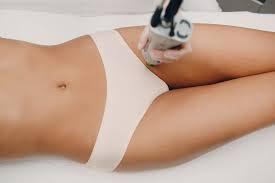
Uneven skin tone in the bikini area is a common concern for many women. Darker or uneven-looking skin around the bikini line can develop due to friction, shaving, hormonal changes, irritation, or natural differences in skin pigmentation. Although this is usually not a health problem, it can affect confidence and make some people uncomfortable wearing certain clothes or swimwear.
With advances in professional skincare, there are now treatment options designed to help improve the appearance of pigmentation in sensitive areas. Understanding why the skin becomes darker and how professional treatments work can help you make a more informed decision about your skincare.
Why Does the Bikini Area Become Darker?
The skin around the bikini area can naturally appear darker than other parts of the body. This is normal because pigmentation varies across different areas of the skin.
However, certain factors can make the difference more noticeable.
Common causes include:
-
Frequent shaving or waxing
-
Repeated friction from tight clothing
-
Skin irritation
-
Hormonal changes
-
Ingrown hairs
-
Excessive sweating
-
Post-inflammatory pigmentation
-
Certain skincare products
-
Natural genetic pigmentation
Identifying the possible cause is important because simply trying to lighten the skin without addressing the trigger may not provide long-term improvement.
How Friction Can Affect Skin Tone
Regular friction can contribute to pigmentation over time. Tight underwear, synthetic fabrics, frequent exercise, and constant rubbing between skin surfaces may irritate the area.
When the skin experiences repeated irritation, it may produce more melanin as part of its natural protective response. This can result in a darker appearance.
Choosing comfortable, breathable clothing and reducing unnecessary friction can therefore be an important part of maintaining an even-looking skin tone.
Can Shaving Cause Darker Skin?
Shaving itself does not automatically cause pigmentation, but frequent shaving can sometimes irritate sensitive skin. Razor burns, small cuts, ingrown hairs, and repeated friction may trigger inflammation.
When inflammation occurs repeatedly, post-inflammatory pigmentation can develop in some individuals.
Using a clean, sharp razor, avoiding excessive pressure, and using suitable shaving products can help reduce irritation. People who frequently experience razor bumps may also consider discussing alternative hair-removal methods with a professional.
How Professional Lightening Treatments Work
Professional pigmentation treatments are designed to address excess pigmentation while taking the sensitivity of the treatment area into consideration.
Depending on the individual's skin condition, a specialist may recommend a combination of topical products, exfoliation, laser-based procedures, or other professional treatments.
The aim is generally to improve the appearance of pigmentation gradually rather than attempting to change the natural skin colour of the area.
Results can vary depending on the cause and severity of pigmentation, skin type, hormonal factors, and consistency with aftercare.
Benefits of Professional Bikini Lightening Treatments
A professionally planned treatment may offer several potential benefits when performed appropriately.
Helps Improve Uneven Pigmentation
Professional treatments may help reduce the appearance of areas that have become darker due to irritation, friction, or other pigmentation triggers.
Supports More Even-Looking Skin
The goal is generally to create a more uniform appearance rather than completely changing the natural colour of the skin.
Can Improve Skin Texture
Some professional treatments may also help improve the appearance of rough or uneven skin texture, depending on the technique used.
Personalised Approach
A professional can assess the skin and select treatment options based on individual pigmentation, sensitivity, and previous skincare history.
Why Professional Assessment Matters
The bikini area is sensitive, and not every pigmentation product or procedure is suitable for this part of the body. Strong exfoliating products or unsuitable bleaching agents can cause irritation and potentially make pigmentation worse.
A professional assessment can help determine whether the pigmentation is caused by friction, inflammation, hormonal changes, or another factor.
It also helps ensure that treatment is performed with appropriate techniques and products for the skin in that area.
Is Bikini Lightening Suitable for Everyone?
Not every person needs or is suitable for the same treatment. The ideal approach depends on factors such as skin tone, sensitivity, pigmentation type, medical history, and previous treatments.
People with active infections, significant irritation, open wounds, or certain skin conditions may need to postpone treatment until the skin has recovered.
A consultation is therefore an important first step before beginning any professional pigmentation treatment.
What Can Affect Treatment Results?
Several factors can influence how the skin responds to treatment.
These may include:
-
Skin type and natural pigmentation
-
Severity and cause of pigmentation
-
Hormonal changes
-
Continued friction
-
Hair-removal habits
-
Sun exposure
-
Skincare routine
-
Consistency with aftercare
If the original cause of pigmentation continues, the area may become darker again over time. This is why prevention and maintenance are often just as important as the treatment itself.
Aftercare Is an Important Part of the Process
Professional treatment does not end when the procedure is completed. Proper aftercare can help support the skin while it recovers.
Your specialist may recommend avoiding irritating products, excessive rubbing, heat, or certain hair-removal methods for a short period.
It is important to follow the specific instructions provided by your professional rather than applying home remedies or strong products without guidance.
Common Mistakes to Avoid
People sometimes try home remedies or strong skin-lightening products after noticing pigmentation. Ingredients such as lemon juice, baking soda, or harsh scrubs can irritate sensitive skin and may make the problem worse.
Other common mistakes include:
-
Scrubbing the area aggressively
-
Using unsuitable bleaching creams
-
Wearing very tight clothing
-
Continuing irritating hair-removal methods
-
Ignoring repeated skin irritation
-
Expecting instant results
Gentle care and professional guidance are generally safer approaches for sensitive areas.
How to Maintain More Even-Looking Skin
Once pigmentation has improved, maintaining healthy skin habits can help reduce the chance of recurring uneven tone.
Try to:
-
Wear comfortable and breathable clothing
-
Reduce unnecessary friction
-
Avoid aggressive scrubbing
-
Use gentle skincare products
-
Follow professional aftercare instructions
-
Choose suitable hair-removal methods
-
Address recurring irritation early
These habits can support the skin and help maintain a more even appearance.
When Should You Consult a Professional?
If pigmentation suddenly becomes darker, is associated with itching, pain, rashes, swelling, or other unusual symptoms, it is better to seek professional medical advice rather than treating it only as a cosmetic concern.
For long-standing pigmentation without other symptoms, a skin professional can assess the area and explain whether a cosmetic lightening treatment is appropriate.
Choosing the Right Treatment
If you are considering Bikini Lightening Treatment, choose a professional who understands the sensitivity of the bikini area and takes a personalised approach. The treatment should be selected according to the cause of pigmentation, skin type, sensitivity, and overall condition of the skin.
A proper consultation should also include realistic expectations about results, possible risks, aftercare, and the possibility that maintenance may be needed. Avoid clinics or products that promise to completely change your natural skin colour or guarantee immediate results.
Conclusion
Uneven pigmentation in the bikini area can develop for many reasons, including friction, shaving-related irritation, hormonal changes, and inflammation. While this type of pigmentation is often harmless, it can affect confidence and personal comfort.
Professional lightening treatments may help improve the appearance of uneven pigmentation when selected and performed appropriately. The best approach is to first understand the cause, choose suitable professional care, and follow a gentle skincare and aftercare routine. With realistic expectations and consistent care, the skin can gradually develop a more even and healthy-looking appearance.
