


How to Build a Long-Term Skincare Routine After Acne Scar Treatment in Islamabad
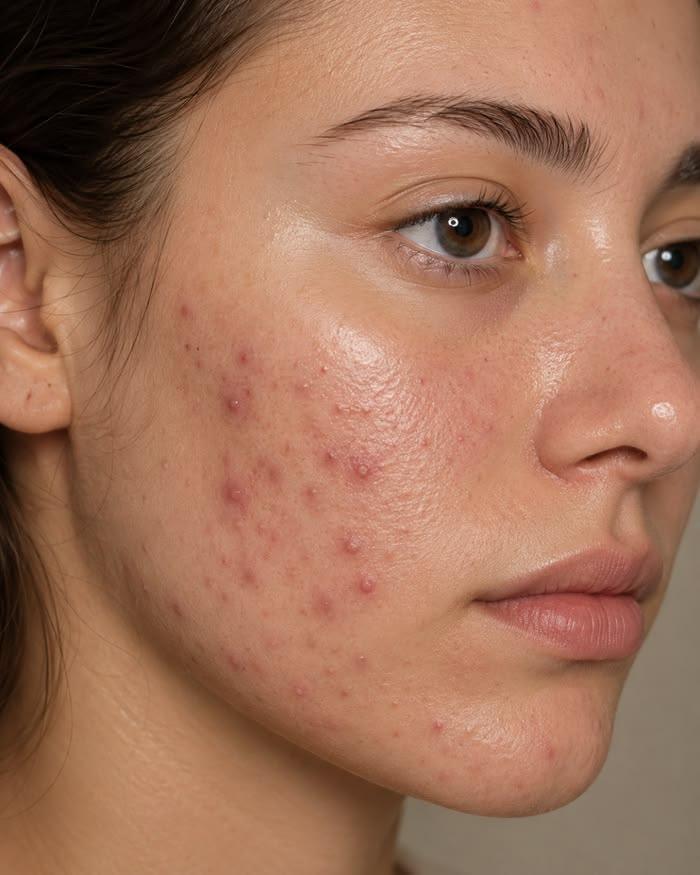
Treating acne scars is an important step toward improving skin texture, but maintaining the results requires ongoing care. Even after professional procedures, the skin needs protection, hydration, and a consistent routine to support its natural recovery. Without suitable skincare habits, irritation, pigmentation, and new acne breakouts may affect the complexion again.
People considering acne scars treatment in islamabad should understand that professional procedures and daily skincare work together. A carefully planned routine can support healing, protect the skin barrier, and help maintain improvements over time.
Why Skincare Matters After Scar Treatment
Professional procedures can stimulate skin renewal and improve the appearance of depressed or uneven scars. However, the skin may remain sensitive during recovery. Its protective barrier can temporarily become weaker, making it more vulnerable to dryness, redness, and environmental irritation.
A suitable skincare routine helps maintain moisture and supports the healing process. It also helps reduce the risk of problems that could interfere with treatment results. The exact routine depends on the procedure performed and the individual's skin condition.
Start with a Gentle Cleansing Routine
Cleansing removes excess oil, sweat, sunscreen, and environmental impurities. However, aggressive washing can irritate recently treated skin and increase dryness.
A mild, fragrance-free cleanser is often a suitable choice. Patients should avoid rough scrubbing, exfoliating brushes, and harsh cleansing products during recovery. Washing with lukewarm water and gently patting the face dry can help minimise unnecessary friction.
The frequency of cleansing should also be appropriate for the skin. Washing too often may remove natural oils and contribute to irritation.
Maintain Proper Skin Hydration
Moisturising is an essential part of supporting the skin barrier. Treatments that involve resurfacing or controlled skin injury can temporarily cause dryness and tightness.
A lightweight moisturiser containing ingredients such as ceramides, glycerin, or hyaluronic acid may help maintain hydration. However, patients should choose products according to their skin type and follow the aftercare instructions provided by their practitioner.
People with oily or acne-prone skin should not automatically avoid moisturisers. Instead, they can look for non-comedogenic formulas that provide hydration without feeling excessively heavy.
Make Sunscreen a Daily Habit
Sun protection is especially important after acne scar procedures. Ultraviolet exposure can worsen pigmentation and make dark marks more noticeable, particularly while the skin is recovering.
A broad-spectrum sunscreen with SPF 30 or higher is generally recommended. It should be applied according to product instructions and reapplied when necessary, especially during prolonged outdoor activities.
Wearing a hat and seeking shade can provide additional protection. These habits are useful throughout the year, not only during the summer months.
Reintroduce Active Ingredients Carefully
Ingredients such as retinoids, vitamin C, salicylic acid, and exfoliating acids may support certain skincare goals. However, they are not always suitable immediately after a professional procedure.
Introducing active ingredients too early can cause burning, peeling, or inflammation. Patients should wait until their skin has recovered and their practitioner confirms that these products can be safely reintroduced.
It is also better to introduce one product at a time. This makes it easier to identify irritation and understand how the skin responds.
Prevent New Acne Breakouts
Maintaining acne control is important because repeated inflammation can contribute to additional scarring. A routine should therefore address both existing skin damage and the factors that cause new breakouts.
Avoid picking, squeezing, or scratching pimples. These habits can increase inflammation and damage surrounding tissue. Choosing suitable skincare and seeking professional advice for persistent acne can help reduce future problems.
Clean pillowcases, regularly washed makeup tools, and non-comedogenic products may also support a healthier skincare routine.
Recognise When Your Skin Needs Professional Attention
Some redness, dryness, or sensitivity may occur after aesthetic procedures. However, worsening pain, increasing swelling, unusual discharge, or signs of infection should not be ignored.
Patients should contact their treating professional if they experience unexpected symptoms or if recovery does not follow the instructions they were given. Follow-up appointments also allow the practitioner to assess progress and decide whether additional treatment is appropriate.
Maintaining Improvements Through Consistency
Long-term skin improvement depends on realistic expectations and regular care. Acne scars may become less noticeable after suitable treatment, but complete removal cannot be guaranteed. Some scars require several sessions, while others may respond better to a combination of procedures.
People interested in professional skin care can explore Enfield Royal Clinic and arrange a consultation to discuss their skin concerns. A personalised treatment plan, appropriate recovery care, and consistent sun protection can help support healthier-looking skin and maintain progress over time.
