


Access Control System for Warehouses in KSA: Advanced Security Solutions for Saudi Arabia's Industrial and Logistics Sector
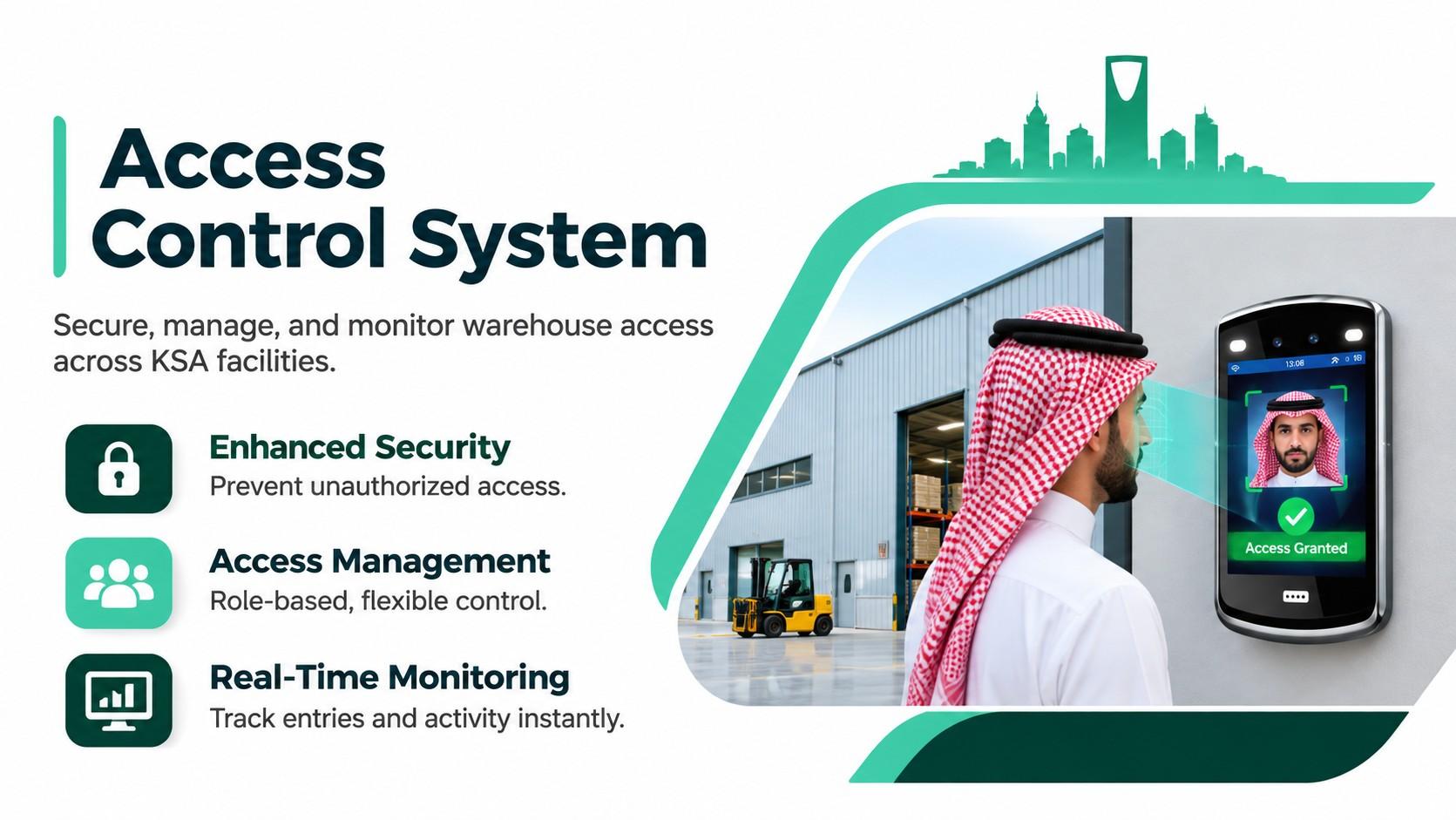
Saudi Arabia's rapidly growing logistics, manufacturing, and industrial sectors are increasing the demand for advanced warehouse security solutions. As businesses expand their storage facilities, distribution centres, and supply chain operations, protecting valuable inventory, equipment, and restricted areas has become a major priority. Implementing a reliable Access Control System for Warehouses in KSA helps organizations manage employee entry, prevent unauthorized access, monitor visitors, and strengthen overall facility security.
Traditional locks and manual security procedures are no longer sufficient for modern warehouse environments. Businesses need intelligent technologies that provide secure authentication, centralized management, and real-time access monitoring. Advanced access control solutions combine facial recognition, RFID cards, biometric authentication, electronic door locks, and smart security software to create a controlled and efficient working environment.
For warehouse operators across Riyadh, Jeddah, Dammam, and other industrial locations in Saudi Arabia, investing in modern access control infrastructure can improve security management while supporting long-term operational growth.
Why Access Control Systems Are Essential for Warehouses in KSA
Warehouses handle valuable products, machinery, raw materials, confidential business information, and other important assets. Uncontrolled entry can increase the risk of theft, unauthorized activities, workplace safety incidents, and operational disruptions.
A modern Access Control System for Warehouses provides businesses with greater control over who can enter specific areas and when access is permitted.
Key advantages include:
- Unauthorized Access Prevention: Restrict entry to approved employees, contractors, and visitors.
- Employee Access Management: Assign individual permissions according to job roles and responsibilities.
- Real-Time Access Monitoring: Track entry and exit activities across different warehouse locations.
- Restricted Area Protection: Secure inventory rooms, server rooms, equipment storage, and administrative departments.
- Visitor Access Management: Register, verify, and monitor visitors entering warehouse facilities.
- Digital Access Records: Maintain electronic records for security reviews and internal audits.
- Improved Operational Efficiency: Reduce manual verification and simplify everyday access procedures.
By introducing intelligent access management, businesses can create a more secure and organized warehouse environment.
Key Features of a Modern Warehouse Access Control System
An advanced warehouse access control system in Saudi Arabia combines multiple technologies to provide flexible security management for different facility requirements.
1. Facial Recognition Access Control
Facial recognition technology enables contactless identity verification for authorized employees. The system compares an individual's facial features with registered credentials before granting access.
It is particularly useful for warehouse entrances, employee-only areas, and restricted operational departments. Contactless authentication also reduces dependence on physical access cards.
2. RFID and Card-Based Access Control
RFID-based authentication allows employees to enter designated areas using authorized access cards or credentials. Administrators can assign, modify, or revoke access permissions according to employee responsibilities.
This solution is suitable for large warehouses with multiple departments, shift-based operations, and numerous entry points.
3. Biometric Access Control Systems
Biometric authentication, including fingerprint recognition, provides an additional identity verification method. It helps businesses secure sensitive warehouse areas where access must be restricted to specifically authorized personnel.
4. Door Access Control Systems
Modern Door Access Control Systems secure warehouse entrances, offices, inventory rooms, server rooms, loading areas, and restricted departments.
These systems combine electronic locks, access readers, controllers, and management software to regulate entry permissions and monitor door activities.
5. Centralized Access Management
Centralized access management enables security administrators to manage users, doors, credentials, and permissions through a unified platform.
Organizations operating multiple warehouses can establish consistent security policies and simplify access administration across different facilities.
6. Real-Time Alerts and Access Reports
Automated notifications help security teams identify denied entry attempts, unauthorized access activities, and other security events.
Digital reports provide useful information about access activities, helping businesses review security procedures and investigate incidents when necessary.
Applications of Access Control Solutions Across Different Industries
Access control technology supports security requirements across several industries. Each environment requires a solution configured according to its operational activities, workforce, and restricted areas.
Access Control System for Warehouses
A dedicated Access Control System for Warehouses protects inventory storage areas, distribution centres, loading docks, dispatch zones, and employee entrances. Role-based access permissions ensure that employees can enter only the areas relevant to their responsibilities.
Access Control System for Offices
An Access Control System for Office environments helps businesses manage employee entry, secure meeting rooms, protect confidential departments, and control visitor movements. It also provides digital access records for improved security administration.
Access Control System for Schools and Universities
An Access Control System for Schools & Universities helps educational institutions regulate access for students, teachers, administrative employees, and visitors. Controlled entry points can improve campus security and protect restricted facilities.
Access Control System for Hospitals
An Access Control System for Hospitals helps secure laboratories, pharmacies, medical storage rooms, patient care areas, and administrative departments. Controlled authentication helps protect sensitive environments and valuable medical equipment.
Access Control System for Industries
An Access Control System for Industries supports security management across manufacturing facilities, production areas, machinery rooms, warehouses, and restricted industrial zones. Access permissions can be configured according to employee roles and operational requirements.
Benefits of Implementing Warehouse Access Control in Saudi Arabia
Investing in professional access control solutions in KSA provides several long-term benefits for businesses.
1. Enhanced Facility Security
Electronic authentication helps reduce the risks associated with unauthorized entry and uncontrolled movement throughout warehouse premises.
2. Better Employee Access Management
Individual credentials make it easier to assign, modify, and revoke access permissions when employee roles or responsibilities change.
3. Protection of Business Assets
Controlled entry points help protect valuable inventory, machinery, raw materials, and confidential business resources.
4. Improved Operational Efficiency
Automated access procedures reduce manual verification and help employees enter authorized areas more efficiently.
5. Scalable Security Infrastructure
Modern access control platforms can accommodate additional users, doors, departments, and warehouse facilities as businesses expand.
6. Centralized Security Administration
Security teams can manage multiple access points, user permissions, and digital reports through an integrated management platform.
How to Choose the Right Access Control System for Warehouses in KSA
Selecting the right Access Control System for Warehouses in KSA requires evaluating the facility's size, security priorities, workforce requirements, and operational environment.
Businesses should consider the following factors:
- Authentication Methods: Choose suitable technologies such as facial recognition, RFID cards, PIN authentication, and biometric verification.
- System Integration: Check compatibility with CCTV surveillance, visitor management, alarm systems, and other security infrastructure.
- Scalability: Select a solution that supports additional doors, users, and warehouse locations.
- Centralized Management: Consider platforms that simplify access administration and reporting.
- Hardware Reliability: Select suitable access readers, controllers, electronic locks, and supporting equipment.
- Professional Installation: Ensure proper system configuration, testing, commissioning, and technical support.
- Security Requirements: Evaluate restricted areas, employee movement, visitor procedures, and facility-specific risks.
A properly planned access control infrastructure provides reliable security while supporting smooth warehouse operations.
The Future of Smart Warehouse Security in Saudi Arabia
Saudi Arabia's expanding logistics and industrial infrastructure is creating new opportunities for intelligent warehouse security technologies. Modern facilities increasingly require integrated security environments where access control, CCTV surveillance, visitor management, and centralized monitoring work together.
Technologies such as facial recognition, cloud-based access management, biometric authentication, and automated security notifications are helping organizations improve facility visibility and simplify security administration.
As warehouse operations become more technology-driven, advanced Access Control Systems in Saudi Arabia will play an important role in protecting business assets, managing facility access, and supporting efficient industrial operations.
Businesses that invest in scalable and integrated security technologies can establish a stronger foundation for future growth.
Conclusion
Tektronix Technologies delivers advanced security and access control solutions designed to support modern warehouse, commercial, healthcare, educational, and industrial environments. Implementing a reliable Access Control System for Warehouses in KSA enables businesses to strengthen facility protection, manage employee permissions, monitor entry activities, and secure restricted operational areas.
With technologies such as facial recognition, RFID authentication, biometric verification, and intelligent Door Access Control Systems, organizations can create safer and more efficient working environments. Investing in modern access control infrastructure is an important step towards improving warehouse security and supporting the continued development of Saudi Arabia's logistics and industrial sectors.
Frequently Asked Questions (FAQs)
1. What is an Access Control System for Warehouses?
An Access Control System for Warehouses is an electronic security solution that regulates who can enter specific warehouse areas. It uses facial recognition, RFID cards, biometric authentication, and electronic door locks to manage authorized access.
2. Why do warehouses in Saudi Arabia need access control systems?
Warehouses in Saudi Arabia handle valuable inventory, equipment, and business assets. Access control systems help prevent unauthorized entry, improve employee access management, protect restricted areas, and maintain digital access records.
3. Which technologies are used in warehouse access control systems?
Common technologies include facial recognition, fingerprint authentication, RFID cards, PIN-based authentication, electronic locks, access controllers, and centralized security management software.
4. Can warehouse access control systems integrate with CCTV cameras?
Yes. Modern access control platforms can integrate with compatible CCTV surveillance systems, allowing security teams to associate access events with video footage for improved monitoring and incident investigation.
5. Can access control systems be used in other industries?
Yes. Access control technology is suitable for warehouses, offices, schools, universities, hospitals, manufacturing plants, and industrial facilities. Each solution can be configured according to the organization's security requirements and operational needs.
