


How Can Tool Design Improve Everyday Level Ruler Use
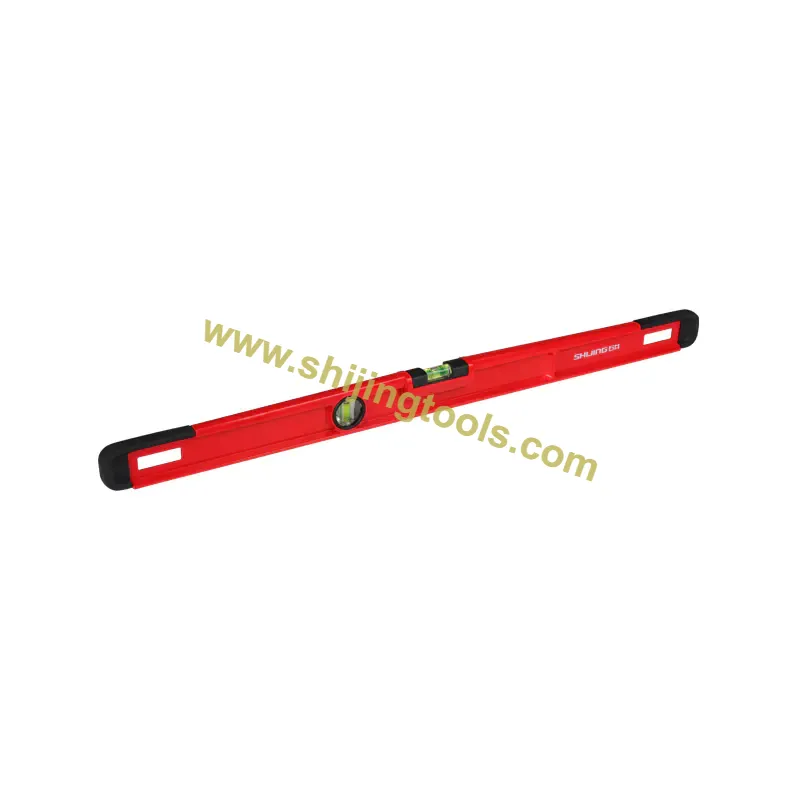
How Material Selection and Practical Design Shape Modern Leveling Tools
Accurate measurement is an essential part of construction, renovation, installation, and everyday home improvement. When a shelf needs to sit evenly or a surface must align with surrounding structures, a dependable Level Ruler helps users evaluate horizontal and vertical positioning with greater confidence. Its usefulness comes from more than a measuring function alone. Material quality, construction, visibility, handling, and design all influence how comfortably a tool fits into a working environment. Understanding these details helps buyers select equipment that supports their projects and working habits.
How Materials Influence Tool Reliability
The materials used in a leveling tool affect its durability, handling, and suitability for different working conditions. Metal bodies are often valued for their structural stability and resistance to everyday workshop demands. Aluminum is commonly used in measuring tools because it can provide a balance between manageable weight and practical strength. Plastic components may also contribute to comfortable grips, protective features, or convenient handling.
Material selection should reflect the environment in which the tool will be used. Construction professionals may need equipment that withstands frequent movement between work areas, while home users may prioritize convenient storage and straightforward operation. Surface finishes can also influence how a tool responds to regular handling, dust, and contact with surrounding materials.
The relationship between the body and its measuring components matters as well. A well-constructed tool should maintain a consistent relationship between its working surface and measurement indicators. Thoughtful material selection supports this structural relationship while contributing to the tool's overall service life.
A Practical Guide to Choosing the Right Measuring Tool
Buyers should begin by considering the tasks the tool will support. Installing cabinets, aligning furniture, checking wall surfaces, and carrying out renovation work may involve different working conditions. Understanding these applications helps narrow the selection before comparing product appearance or purchasing options.
The working surface is another important consideration. A tool intended for frequent use on construction materials should be easy to position and read. Buyers may also consider whether the design offers convenient handling when working alone or in restricted spaces.
Inspection before purchase can reveal useful details. The body should appear properly finished, the measuring indicators should be easy to view, and the working surface should feel suitable for the intended task. Buyers sourcing tools for professional use may also want to discuss product consistency, material selection, and quality inspection with their supplier.
ZHEJIANG SHIJING TOOLS CO., LTD. offers measuring tools for practical applications, giving buyers a starting point when exploring equipment for construction, installation, and general measurement work.
Measurement Functions and Practical Technology
A leveling tool helps users evaluate whether a surface is positioned as intended. This function is valuable when installing shelves, arranging furniture, aligning frames, or checking surfaces during construction. The tool's measuring components provide a visual reference that supports the user's judgment.
The usefulness of that reference depends on both construction and visibility. Measuring indicators should be positioned clearly, while the body should provide a stable contact surface. If a tool is difficult to read or awkward to position, the measurement process can become less convenient.
Different working situations may also require different handling approaches. A user checking a wall may need to maintain contact with a vertical surface, while someone installing a shelf may need to compare alignment across a horizontal area. Practical tool design considers these differences and supports clear interaction between the user, the tool, and the workpiece.
For manufacturers, attention to component assembly and inspection helps ensure that the tool is presented as a coherent measuring product rather than simply a collection of parts.
User Experience in Construction and Home Improvement
A useful measuring tool should fit naturally into the user's workflow. Professionals often move between tasks, materials, and working locations, so convenient handling can reduce unnecessary interruptions. Home improvement users may appreciate a tool that is easy to understand without extensive preparation.
Grip, visibility, and ease of positioning contribute to this experience. A tool that feels comfortable in the hand can be easier to manage during repeated checks. Clear indicators help users observe the measurement without repeatedly changing their viewing position.
Storage is another everyday consideration. A practical design should fit into a toolbox or workshop arrangement without creating unnecessary inconvenience. When a tool can be located, handled, and returned to storage easily, it becomes a more useful part of a regular working routine.
Design and Appearance: More Than Visual Appeal
The appearance of a measuring tool can communicate its intended purpose and construction quality. Body shape, surface treatment, color, and indicator placement all contribute to how the product is perceived. A clean, functional appearance can make the tool easier to understand, while distinctive visual details may help users identify it among other equipment.
Design should also support practical use. High-contrast indicators can improve visibility, while a well-considered body shape can make positioning more comfortable. Protective details may help the tool remain suitable for repeated handling, and a coherent finish can create a professional appearance.
For buyers, these features are worth considering alongside material and function. A product that combines clear visual communication with convenient handling can fit more naturally into professional and personal projects.
ZHEJIANG SHIJING TOOLS CO., LTD. provides a place for buyers to explore measuring tool options and product applications; when comparing a Level Ruler for installation, renovation, or workshop tasks, review the company's leveling tape and measuring tool offerings at https://www.shijingtools.com/ to consider how product design and practical functionality align with your project needs.
