


Aluminium Laser Welder: Precision Welding for Modern Metal Fabrication
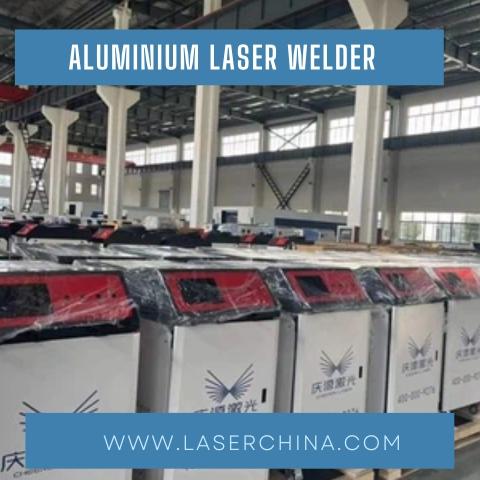
Aluminium is widely used in automotive manufacturing, aerospace, construction, electronics, and industrial equipment because of its lightweight structure and corrosion resistance. However, welding aluminium requires careful control due to its high thermal conductivity, reflective surface, and tendency to develop oxide layers. Modern laser welding technology offers an efficient approach to producing accurate, clean, and consistent aluminium joints.
An aluminium laser welder is designed to join aluminium components using a concentrated laser beam. This technology helps manufacturers achieve controlled welds while reducing unnecessary heat exposure and supporting high-quality production. Whether you operate a small metal fabrication workshop or a large manufacturing facility, laser welding can help improve your aluminium processing capabilities.
How Aluminium Laser Welding Works
Laser welding uses a focused beam of light to generate heat at the joining point. The energy melts the aluminium along the joint, allowing the material to fuse as it cools and solidifies. Depending on the equipment and application, the process can be performed using different laser power levels, welding speeds, and beam configurations.
Aluminium requires special attention because it reflects a significant amount of laser energy, particularly at certain wavelengths, and transfers heat quickly. Modern fiber laser systems are commonly used for metal welding because they provide concentrated energy and precise control.
Before welding, operators should clean the aluminium surface thoroughly to remove oil, dirt, moisture, and oxide contamination. Proper preparation helps improve weld consistency and reduces the risk of defects such as porosity and incomplete fusion.
Applications Across Different Industries
Aluminium laser welding supports a wide range of industrial applications where accurate metal joining is essential.
Automotive Manufacturing
Automotive manufacturers use aluminium components to reduce vehicle weight and support fuel efficiency or electric vehicle performance. Laser welding can be applied to battery enclosures, body panels, structural components, and selected aluminium assemblies when suitable process parameters are established.
Aerospace and Transportation
Lightweight aluminium structures are important in aircraft components and transportation equipment. Laser welding can support precision joining in suitable applications, provided the process meets strict engineering, inspection, and certification requirements.
Electronics and Electrical Equipment
Aluminium housings, heat sinks, and selected electrical enclosures may require controlled welding to maintain their shape and dimensional accuracy. A properly configured laser system can help produce neat joints on compatible components.
General Metal Fabrication
Fabrication workshops can use laser welding for aluminium cabinets, frames, panels, brackets, and custom metal products. The technology is particularly useful when the finished appearance and repeatability of the weld are important.
Choosing the Right Welding Machine
Selecting the appropriate machine begins with understanding your production requirements. Aluminium thickness, alloy composition, joint design, welding position, and daily workload all influence equipment selection.
A handheld system may suit workshops that process different component shapes or need flexibility when moving between workstations. Automated laser welding systems may be more appropriate for repetitive production, consistent joint positioning, and integration with manufacturing lines.
Laser power should match the material thickness and joint configuration. Higher power is not automatically the best choice, because excessive energy can cause distortion, burn-through, or other welding defects. Ask the manufacturer for application testing and recommended parameters for your specific aluminium alloy.
You should also evaluate the laser source, cooling arrangement, wire-feeding requirements, available process controls, maintenance support, and operator training. These factors can affect production reliability and the overall cost of operating the equipment.
Tips for Achieving Better Aluminium Welds
Consistent results depend on more than the machine itself. Careful preparation and suitable operating procedures are essential.
-
Clean the surface: Remove contaminants and manage the oxide layer using an appropriate preparation method.
-
Select suitable parameters: Adjust laser power, travel speed, focus position, and wire-feed settings when applicable.
-
Prepare the joint correctly: Maintain appropriate fit-up and minimize inconsistent gaps between components.
-
Test before production: Perform sample welds and inspect them before processing valuable or finished parts.
-
Control heat input: Use settings that achieve adequate fusion without creating unnecessary distortion.
-
Follow safety procedures: Use suitable laser-rated protective equipment, machine enclosures, interlocks, fume extraction, and other controls appropriate to the laser system and workplace.
Aluminium alloys vary considerably in their welding behavior. Some grades are more susceptible to cracking or porosity than others, so procedure qualification and inspection are important for demanding applications.
Understanding the Cost of Aluminium Laser Welding Equipment
The purchase price depends on laser power, machine configuration, portability, automation, accessories, and the manufacturer's service package. A basic handheld system will generally have a different price structure from an automated industrial installation.
When comparing quotations, consider the total cost of ownership rather than focusing exclusively on the initial price. Electricity consumption, consumables, maintenance, replacement parts, training, and production downtime can all influence long-term expenses.
Ask suppliers for a detailed quotation that identifies the included laser source, welding head, cooling equipment, warranty, installation support, and recommended operating conditions. If possible, request a demonstration using your actual aluminium components before making a purchase decision.
Why Work With an Experienced Laser Equipment Supplier?
Choosing an experienced supplier can make equipment selection and implementation easier. A reliable manufacturer should explain the machine's operating requirements, help identify a suitable configuration, and provide technical documentation and after-sales assistance.
When evaluating an aluminium laser welder, discuss the aluminium grades you process, the thickness range, the required weld appearance, and your expected production volume. These details allow the supplier to recommend a system based on practical manufacturing needs instead of specifications alone.
Request sample welds, clarify warranty coverage, and confirm the availability of technical support and replacement components. A supplier that understands aluminium welding applications can help you establish a more dependable production process.
Final Thoughts
Laser welding is an important option for manufacturers seeking precision and consistency when joining aluminium components. With appropriate equipment, surface preparation, parameter selection, and operator training, businesses can produce high-quality welds for a variety of industrial applications.
Investing in an aluminium laser welder should begin with a clear understanding of your materials, production targets, and quality standards. Compare available systems carefully, evaluate their performance on real components, and choose a solution supported by reliable technical service. The right setup can help your workshop meet modern fabrication demands while maintaining control over weld quality and operating costs.
