


How Can Residential Hidden Camera Services Help Protect Your Home Privacy?
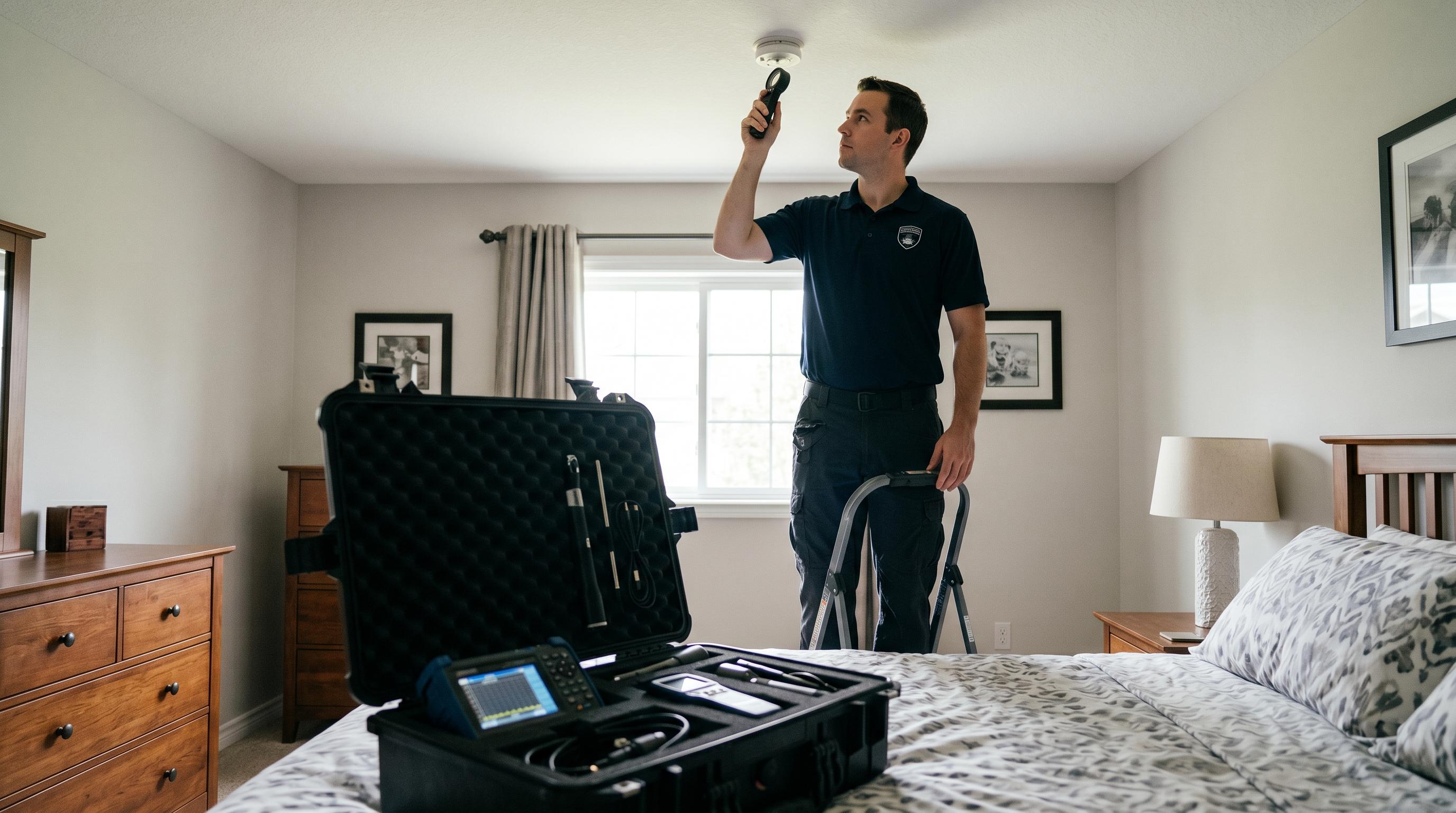
Your home should be a place where personal conversations, family activities, and confidential information remain private. However, concerns about unauthorized recording can arise after a security incident, the discovery of unfamiliar equipment, or a suspected breach of personal privacy. Professional residential hidden camera services help homeowners investigate potential video surveillance threats through physical inspections and specialized technical assessments.
In the security industry, hidden camera detection may form part of Technical Surveillance Countermeasures (TSCM), a specialized discipline focused on identifying and evaluating potential electronic surveillance devices. Unlike conventional home security services that install or monitor approved cameras, these inspections focus on identifying recording equipment that may be present without authorization. For homeowners, executives, remote professionals, and families with specific privacy concerns, a professional assessment can provide useful information about potential risks and appropriate next steps.
What Are Residential Hidden Camera Services?
Residential hidden camera services involve specialized inspections designed to identify potentially unauthorized video recording equipment inside a home. Depending on the circumstances, the inspection may include physical examination, specialized detection tools, and technical analysis of suspicious devices or electronic activity.
The objective is to distinguish legitimate household electronics and authorized security systems from equipment that may be used to record private activities without permission.
A residential inspection may cover:
-
Bedrooms and private areas: Spaces where unauthorized recording could create serious privacy concerns.
-
Home offices: Workspaces where confidential business discussions and sensitive information are handled.
-
Living rooms and meeting spaces: Areas where family conversations or private discussions regularly occur.
-
Unfamiliar electronic equipment: Objects or devices that require further examination.
-
Potential surveillance vulnerabilities: Relevant locations or systems that warrant additional investigation based on the homeowner's concerns.
The exact scope should be agreed upon before the inspection begins. An unfamiliar object or electronic signal does not automatically indicate surveillance. Findings should be assessed objectively and supported by appropriate evidence.
Why Do Homeowners Need Hidden Camera Detection?
Modern homes contain many electronic devices, including smart speakers, wireless routers, televisions, video doorbells, and home security systems. These technologies offer convenience but can make it more difficult to assess suspicious electronic activity without technical knowledge.
A professional inspection may be appropriate when a homeowner has a credible reason to investigate possible unauthorized recording or wants to assess a specific privacy concern.
Protect Family Privacy
Family life involves personal conversations and activities that should not be recorded without appropriate authorization. Unauthorized cameras could expose private information or create concerns about how recordings might be accessed or shared.
A residential inspection can assess relevant spaces and examine suspicious equipment within the agreed scope. This may help homeowners determine whether further investigation is warranted and understand any confirmed findings.
The objective is to address genuine privacy concerns through a structured assessment rather than relying on assumptions about possible surveillance.
Secure Your Home Office
Remote working has made home offices important locations for confidential professional activities. Business owners, executives, consultants, and other professionals may discuss client matters, financial decisions, contracts, or business strategies from their homes.
Residential hidden camera services can help assess these workspaces for potential unauthorized recording equipment. Depending on the situation, an inspection may also cover nearby rooms where confidential meetings regularly take place.
Protecting a home office should be part of a broader security strategy that includes secure accounts, restricted access, and appropriate handling of sensitive documents.
Investigate Specific Security Concerns
Some homeowners seek professional assistance after discovering unfamiliar equipment, experiencing suspected unauthorized access, or identifying an incident that raises a legitimate privacy concern.
A qualified TSCM specialist can review the available information and determine which inspection methods are appropriate. The findings should distinguish confirmed observations from possibilities requiring further investigation.
This evidence-based approach helps homeowners make informed decisions without treating uncertainty as proof of wrongdoing.
What Can a Residential Hidden Camera Inspection Identify?
Detection capabilities depend on the type of equipment, the inspection methods used, and the surrounding environment. No single method can guarantee that every possible recording device will be identified.
Hidden Video Cameras
Some cameras are designed to blend into everyday objects, fixtures, or electronic equipment. A specialist may examine suspicious items and relevant areas using physical inspection techniques and appropriate detection tools.
The purpose is to identify equipment that may require closer assessment. Because ordinary electronics can appear unusual, a potential camera should not be classified as surveillance equipment without supporting evidence.
Wireless Camera Devices
Certain cameras transmit video through wireless connections. Where appropriate, specialists may use radio frequency analysis to investigate electronic activity associated with potential surveillance equipment.
Homes contain numerous legitimate wireless signals from Wi-Fi routers, Bluetooth devices, mobile phones, and smart home systems. Detecting an unusual signal does not automatically establish that a hidden camera is operating. Additional technical evaluation may be necessary to identify its source and significance.
Wired and Locally Recording Cameras
Not every camera relies on wireless transmission. Some devices use physical connections or store recordings locally.
Depending on the inspection scope, a specialist may examine suspicious installations, relevant electronic equipment, and accessible wiring. Any invasive examination should be authorized by the property owner and carried out carefully to avoid damaging legitimate household systems.
Potential Privacy Weaknesses
An inspection may also highlight opportunities to improve household security. For example, a homeowner may benefit from reviewing who has access to private rooms, checking the inventory of installed security equipment, or improving procedures for managing connected devices.
These recommendations can support better privacy practices even when no unauthorized camera is confirmed.
How Do Residential Hidden Camera Services Work?
A professional inspection should follow a structured process tailored to the property and the homeowner's specific concerns.
1. Initial Consultation and Risk Assessment
The process generally begins with a discussion about the property, the areas of concern, and any incidents that prompted the request.
The specialist may ask about unfamiliar equipment, recent property access, sensitive rooms, and existing home security systems. This information helps establish the scope and priorities of the assessment.
2. Physical Inspection of the Property
The specialist examines the agreed areas for suspicious objects, unusual installations, or potential recording equipment.
Depending on the circumstances, this may include bedrooms, living areas, home offices, and other private spaces. The inspection should respect the homeowner's property, personal belongings, and privacy throughout the process.
3. Technical Detection and Electronic Analysis
Where relevant, the inspection may include electronic analysis and specialized detection techniques suited to the suspected equipment.
The methods selected should reflect the identified risks. A responsible provider will explain the capabilities and limitations of the equipment being used rather than suggesting that one tool can detect every possible device.
4. Evaluation of Potential Findings
Suspicious objects or electronic activity should be assessed carefully before being classified as unauthorized surveillance.
Additional testing may be required to determine whether an item is a genuine recording device and whether its presence raises a legitimate privacy concern. If a potentially relevant device is found, appropriate evidence-preservation procedures should be considered before it is handled or removed.
5. Inspection Report and Recommendations
After the assessment, the homeowner should receive a clear explanation of the areas inspected, the methods used, relevant findings, and any limitations.
Recommendations may include further technical investigation, authorized removal of confirmed unauthorized equipment, improvements to property access controls, or a review of connected devices and household security practices.
Clear reporting helps homeowners understand what was established and what, if anything, remains unresolved.
Who Can Benefit From Residential Hidden Camera Detection?
Residential inspections may be relevant to people who handle sensitive information at home or have specific privacy concerns.
-
Business executives: Individuals who discuss confidential company information from home.
-
Entrepreneurs: Home-based business owners who manage proprietary plans, negotiations, or financial records.
-
Remote professionals: Individuals who regularly conduct confidential client meetings in residential workspaces.
-
Public figures: People whose professional visibility may create additional privacy considerations.
-
Families with specific security concerns: Households seeking a technical assessment after a credible incident.
-
Homeowners following unauthorized access: Residents who have discovered suspicious equipment or experienced a security incident that warrants investigation.
Not every household needs a specialist inspection. The decision should be based on the circumstances, the credibility of the concern, and the potential consequences of unauthorized recording.
How to Choose a Reliable Residential Hidden Camera Service Provider
Choosing an experienced provider is important because residential inspections involve personal spaces, sensitive information, and technical findings that require careful interpretation.
Look for TSCM Experience
Choose a provider with demonstrable experience in Technical Surveillance Countermeasures and residential inspections. Ask about relevant training, inspection procedures, and experience with different types of surveillance technology.
General CCTV installation experience does not automatically establish expertise in detecting unauthorized recording devices.
Understand the Detection Methods
A reliable provider should explain the inspection methods relevant to your concerns. Depending on the circumstances, these may include specialized visual inspection tools, radio frequency analysis equipment, and technical examination of suspicious components.
The provider should also explain the limitations of the inspection and avoid promising that every possible surveillance device will always be detected.
Prioritize Confidentiality and Discretion
A residential inspection may involve bedrooms, private conversations, personal belongings, and sensitive information. Ask how inspection records, photographs, and findings will be handled.
The provider should have clear procedures for protecting client information and limiting access to confidential findings.
Request a Clear Scope and Report
Before booking, confirm which areas will be inspected, which methods are included, and what documentation will be provided.
A professional report should distinguish verified findings from unresolved concerns. Transparent reporting helps homeowners make proportionate decisions without relying on unsupported claims.
When Should You Consider a Residential Hidden Camera Inspection?
There is no universal inspection schedule suitable for every home. The appropriate timing depends on individual circumstances and the nature of the suspected risk.
Consider requesting an assessment when:
-
An unfamiliar electronic device is discovered in a private area.
-
A credible security incident raises concerns about unauthorized recording.
-
Confidential business discussions regularly take place at home.
-
Unauthorized property access creates a specific privacy concern.
-
You want a professional assessment after identifying a potential surveillance vulnerability.
Between inspections, homeowners can improve general security by updating connected devices, reviewing camera and microphone permissions, using strong account passwords, enabling multifactor authentication, and restricting access to private spaces.
These measures support better security but do not replace specialist testing when a credible electronic surveillance concern exists.
Improve Home Privacy Beyond Camera Detection
Residential hidden camera services are most effective when combined with sensible physical and digital security practices.
Review which smart home devices are connected to your network and whether their privacy settings match your preferences. Keep software updated, secure your router, remove unused equipment, and consider who has access to your property and private rooms.
If you discover a suspicious device, document the circumstances and seek qualified advice before attempting to dismantle it. Avoid making accusations without evidence. Where there is credible evidence of unlawful surveillance or an immediate safety concern, consider contacting the appropriate authorities or a legal professional.
These steps help homeowners respond responsibly to potential privacy threats while maintaining a practical approach to everyday security.
Final Thought
Your home should provide a reasonable expectation of privacy for personal conversations, family activities, and confidential professional work. Professional residential hidden camera services offer a structured way to assess potential unauthorized recording through physical inspection, technical analysis, and evidence-based reporting. By choosing an experienced TSCM provider, understanding the limitations of detection methods, and maintaining sound physical and digital security practices, homeowners can make better-informed decisions about protecting their private spaces. The goal is to investigate credible concerns responsibly, address identified risks, and maintain greater confidence in the privacy of your home.
