


Developing Versatile Products for Optical Markets
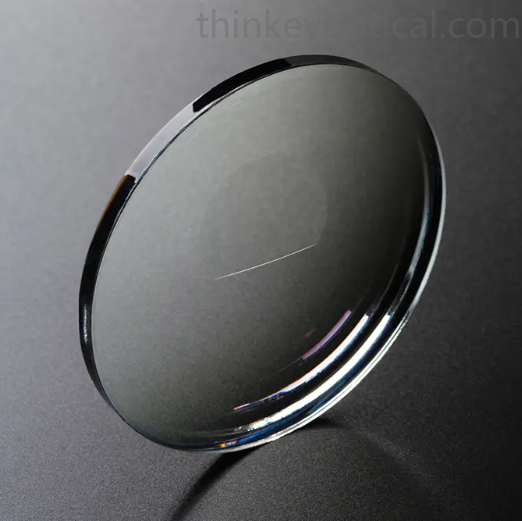
Eyewear designed for changing light conditions requires careful coordination between optical materials, functional performance, appearance, and manufacturing consistency. Photochromic Blue Glasses combine light-responsive technology with a distinctive color direction, making material selection and process control important considerations for optical manufacturers and professional buyers. Understanding how these elements interact helps businesses develop products that meet defined design requirements and maintain consistency across production batches.
Photochromic technology relies on materials that respond to suitable light exposure through a reversible change in optical appearance. Under appropriate ultraviolet conditions, photochromic components can become darker, while reduced exposure allows them to gradually return toward a lighter state. The exact response depends on the material system, temperature, exposure conditions, lens construction, and manufacturing process. These variables should be considered when establishing product specifications.
Blue coloration introduces additional design considerations. The finished appearance can depend on the underlying substrate, color formulation, photochromic components, and any surface treatments applied during production. Manufacturers need to manage these elements carefully to achieve a consistent appearance. For distributors, visual consistency can be particularly important when sourcing coordinated collections or placing repeat orders for the same product design.
Material selection provides the foundation for reliable production. Resin-based optical materials are widely used in contemporary eyewear because they support a range of lens geometries and finishing processes. Different materials may vary in optical clarity, weight, impact characteristics, processing behavior, and coating compatibility. Manufacturers should evaluate these properties alongside the requirements of the intended application rather than selecting materials based on appearance alone.
Digital design technology can help manufacturers manage optical geometry and production specifications. Computer-assisted systems allow technical teams to define lens dimensions, curvature, thickness distribution, and other relevant characteristics before processing begins. When these specifications are transferred into compatible manufacturing equipment, digital workflows can improve repeatability and help reduce unnecessary manual adjustments.
Surface processing is another important stage. Grinding and polishing establish the intended lens geometry and surface condition, while cleaning prepares the substrate for subsequent treatments. Inconsistent processing can affect visual appearance and create difficulties during coating application. Manufacturers therefore need appropriate equipment maintenance, controlled production conditions, and inspection procedures to identify surface defects before products proceed to later stages.
For businesses sourcing Photochromic Blue Glasses, coating compatibility should be considered as part of the complete product design. Anti-reflective treatments, protective coatings, and other surface technologies may be selected according to the intended application. However, these treatments must be compatible with the substrate and photochromic system. Careful preparation, application, curing, and inspection can help maintain stable surface quality across production batches.
Environmental conditions also influence photochromic behavior. Temperature, ultraviolet exposure, light intensity, and exposure duration can affect how quickly a lens changes appearance and returns toward its original state. Product descriptions should reflect these practical variables rather than imply identical behavior in every environment. Clear technical communication helps distributors establish realistic expectations and select appropriate products for their markets.
Quality control should address both optical characteristics and visual consistency. Manufacturers may inspect material condition, lens geometry, color uniformity, surface quality, coating appearance, and finished product specifications. Process monitoring can help identify variation before the final inspection stage. Maintaining production records also makes it easier to investigate issues and reproduce approved specifications during future orders.
Customization can be important for international optical businesses. Buyers may require different lens shapes, materials, coloration, surface treatments, packaging formats, or labeling arrangements. A structured order-confirmation process helps translate these requirements into clear manufacturing instructions. This is particularly valuable when distributors manage several product variations within a single collection.
Sustainable manufacturing is another consideration for optical product development. Efficient material use, optimized production planning, responsible packaging, and reduced processing waste can help businesses manage resources more effectively. Manufacturers can incorporate these practices into existing workflows while maintaining attention to quality and production consistency.
Developing adaptive eyewear involves more than combining a light-responsive material with a particular color. Material compatibility, optical design, surface processing, environmental behavior, and quality inspection all contribute to the finished product. Thinkey Optical Co.,Ltd supports professional optical manufacturing and product development for international eyewear markets. Further information is available at https://www.thinkeyoptical.com.
