


Rebar Straightener: A Practical Upgrade for Faster and More Consistent Steel Processing
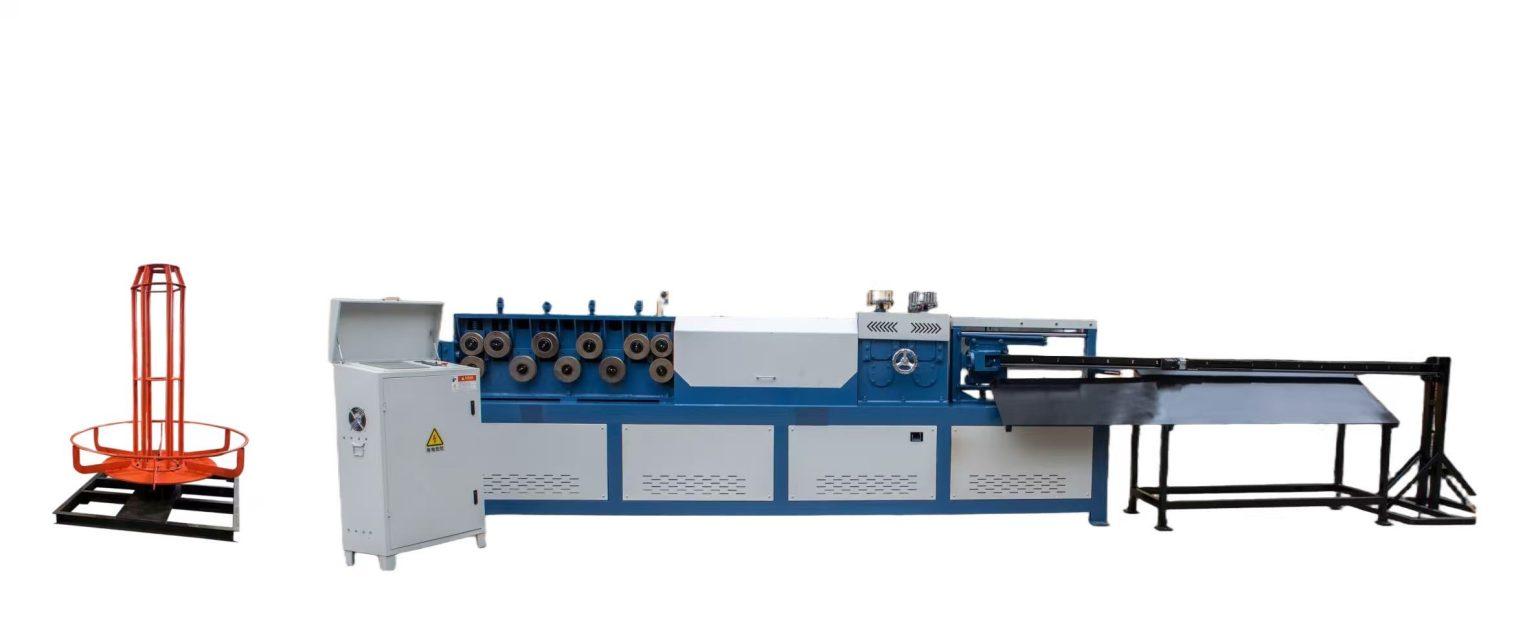
Preparing reinforcement steel efficiently is an important part of modern construction and fabrication. Coiled or bent reinforcing bars need to be converted into straight, usable lengths before they can be incorporated into many construction processes. A rebar straightener provides an automated approach to this task, helping businesses improve productivity while maintaining more consistent material preparation.
Manual straightening can be time-consuming and physically demanding, particularly when a fabrication facility needs to process substantial quantities of reinforcement steel. Automated straightening equipment uses feeding systems and straightening mechanisms to process material more systematically. This can reduce repetitive labor and allow production teams to focus on other important stages of reinforcement fabrication.
One of the main advantages of automated straightening is consistency. Reinforcement bars often need to be straight and uniform before being cut, bent, or assembled. Variations in the straightening process can make subsequent fabrication more difficult. A dedicated machine can help establish a controlled workflow in which incoming material is processed into more consistent lengths suitable for further construction applications.
Production efficiency is another important consideration. Construction schedules can depend on the timely availability of prepared reinforcement steel. When straightening is performed manually, large quantities of material may take considerable time to prepare. Automated equipment can process coiled or bent rebar continuously according to its operating capabilities, helping businesses handle larger workloads more efficiently.
Modern rebar straightening machines can also integrate cutting functions into the processing workflow. This allows reinforcement material to be straightened and prepared into specified lengths without requiring every stage to be completed separately. Combining operations can simplify material handling and create a smoother production sequence for fabrication workshops and steel-processing facilities.
Material utilization is another factor that businesses should consider. Efficient processing can help reduce unnecessary waste caused by inconsistent preparation or unsuitable manual handling. By establishing a repeatable straightening and cutting process, companies can organize production more effectively and prepare material according to project requirements.
A straightening machine can be useful across different working environments, including construction sites, steel-processing plants, and prefabrication workshops. The appropriate equipment depends on factors such as the diameter and type of rebar being processed, expected production volume, required cutting lengths, available workspace, and overall workflow.
Different models are available for different processing requirements. Equipment designed for smaller-diameter reinforcement can serve one type of production need, while heavier-duty straightening machines can be selected for larger or more demanding steel-processing applications. This range allows businesses to choose equipment according to their specific material and production requirements rather than relying on a single machine configuration.
Automation can also contribute to improved labor efficiency. Repetitive straightening work requires workers to continuously handle and position steel material. By transferring much of this repetitive operation to machinery, operators can concentrate on monitoring the process, managing incoming material, checking finished bars, and maintaining production quality.
For businesses modernizing their reinforcement workflow, equipment selection should focus on more than speed alone. Straightening accuracy, material compatibility, cutting capability, machine construction, operating controls, maintenance requirements, and production capacity are all important considerations. Choosing a machine that matches the actual workload can help support reliable long-term operation.
A rebar straightener can therefore provide a valuable solution for businesses that need efficient preparation of reinforcing steel. By automating straightening and, where applicable, cutting operations, this type of equipment can help reduce manual effort, improve material consistency, and create a more organized production process.
As construction projects continue to demand faster and more dependable reinforcement fabrication, automated steel-processing equipment is becoming increasingly important. With suitable machinery and a well-planned workflow, construction and fabrication businesses can prepare reinforcement material more efficiently and maintain consistent quality throughout their production operations.
