


How Do Breathable Yoga Tops Improve Yoga Training Comfort
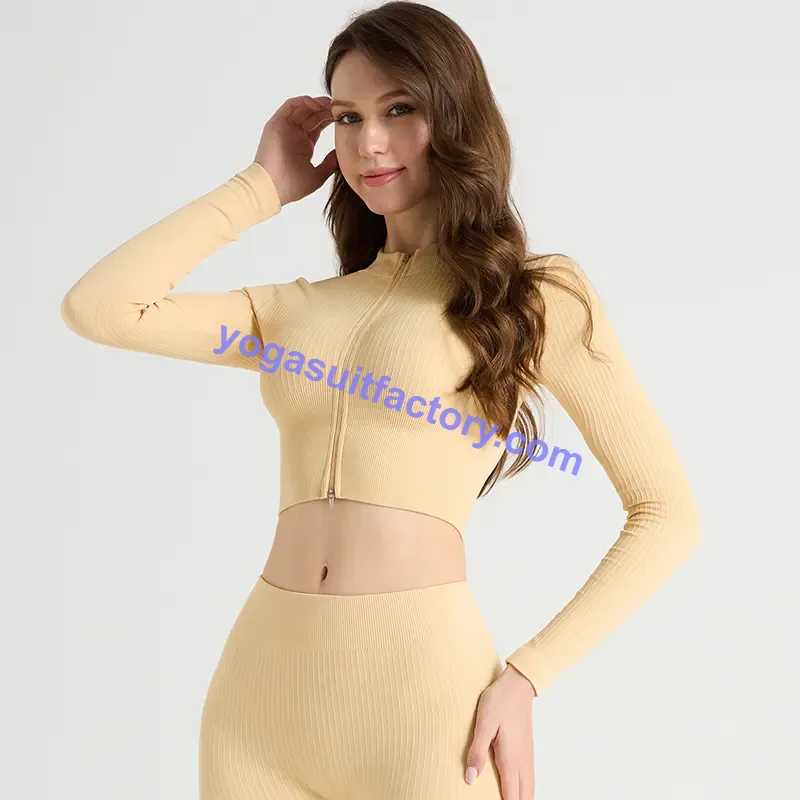
What Breathable Yoga Tops Work Best for High-Intensity Yoga?
High-intensity yoga can put considerably different demands on workout clothing than gentle stretching or meditation sessions. Rapid transitions, repeated movements, deep bends, and sustained poses can create heat and moisture quickly, so choosing suitable Breathable Yoga Tops becomes an important part of preparing for an active practice. A well-designed top needs to allow natural movement while helping the wearer stay comfortable throughout the session. For brands, retailers, and fitness apparel buyers, understanding fabric, construction, fit, and customization options can also make the sourcing process easier. So, what should you look for when selecting Breathable Yoga Tops for demanding yoga sessions?
Fabric Matters During Intense Movement
The fabric is one of the first factors worth considering because the material sits directly against the skin throughout training. High-intensity yoga can cause noticeable sweating, especially during continuous flows or heated sessions. A fabric with moisture-management properties can help move perspiration away from the skin, while a lightweight construction can prevent the garment from feeling unnecessarily heavy.
Nylon, Lycra, and Spandex are commonly used in performance-oriented activewear because they can provide a useful combination of stretch, recovery, softness, and durability. The exact fabric composition should depend on the intended product positioning and activity. A yoga top designed for frequent studio sessions may require a different material balance from one intended for broader fitness use.
Breathability also depends on how the fabric is knitted or constructed. A material may feel soft but still become uncomfortable if airflow is restricted. Buyers should therefore consider the relationship between fabric weight, elasticity, moisture management, and garment structure instead of evaluating material softness alone.
Stretch Should Support Natural Movement
High-intensity yoga involves movements that can place the garment under constant tension. Arms may extend overhead, shoulders rotate, the torso twists, and the body repeatedly moves between standing and floor-based positions. A restrictive top can interfere with these movements and become distracting during practice.
Good stretch recovery is especially useful because the garment needs to move with the body while maintaining its original shape. Excessive looseness may create another issue, as fabric can shift during inversions or rapid transitions. For this reason, activewear manufacturers usually need to balance elasticity with structural stability.
The neckline, armholes, shoulder construction, and hem also influence mobility. A carefully designed sports top can provide sufficient coverage without creating unnecessary pressure around the shoulders or chest. For wholesale buyers, reviewing these details is useful when selecting styles for different customer groups.
Moisture Management Helps Maintain Comfort
Sweat is unavoidable during demanding exercise, but clothing can influence how noticeable it becomes. Moisture-wicking fabrics are designed to move perspiration across the fabric surface, where it can evaporate more readily. Quick-drying properties can also be valuable when customers train frequently or need garments that can be washed and reused within a short period.
However, moisture management should not be considered separately from breathability. A garment that moves moisture but traps heat may still feel uncomfortable during an intense session. The best product development approach considers airflow, fabric structure, fit, and drying characteristics as connected elements.
This is particularly relevant for yoga apparel brands developing collections for different seasons. Lightweight tops can suit warm studio environments, while slightly denser fabrics may be appropriate for outdoor training or cooler conditions. Product selection should reflect the actual environment in which customers will wear the garments.
Fit Is Just as Important as Fabric
Even a technically capable fabric can perform poorly when the garment fit is unsuitable. High-intensity yoga often involves upside-down poses and continuous movement, so the top needs to stay in position without requiring constant adjustment.
A close-fitting design can reduce unnecessary movement, while carefully planned stretch allows the garment to accommodate different body positions. The hem should remain comfortable around the waist, and the arm openings should provide enough space for shoulder movement.
At the same time, different consumers have different preferences. Some may prefer a streamlined silhouette for training, while others may want a relaxed shape for warm-ups, low-impact activities, or everyday wear. This creates an opportunity for manufacturers to develop several fits within the same product category.
Seamless Construction for Active Yoga Wear
Seam placement can have a noticeable effect on the wearing experience. Traditional seams may create pressure points or friction when a garment is worn for extended periods, particularly when the wearer moves repeatedly through similar positions.
Seamless manufacturing provides an alternative approach by reducing certain seam structures and allowing the garment to follow the body's contours. This construction can be especially useful for activewear where flexibility and close contact with the skin are important.
For manufacturers, seamless production also requires appropriate knitting technology, material selection, and production control. The final garment needs to maintain its shape while providing stretch and sufficient structural support. Quality inspection at different stages is therefore important when producing activewear for commercial distribution.
Design Features Can Add Practical Value
Small design details can influence how customers use a yoga top. A racerback structure, for example, can provide shoulder freedom, while a round neckline can create a familiar silhouette for studio wear. Zippers, mesh sections, elastic hems, removable pads, and other functional elements can also be incorporated depending on the target market.
These details should serve a clear purpose rather than simply being added for visual appeal. For high-intensity yoga, unnecessary decorations can sometimes interfere with comfort or flexibility. Buyers should consider whether each feature contributes to movement, ventilation, support, appearance, or convenience.
Color and styling are also important for commercial collections. Neutral shades may work well for minimalist yoga ranges, while brighter tones can create a more energetic visual identity. Custom colors and logos can help brands maintain consistency across different activewear categories.
Why Manufacturing Capability Matters to Buyers
When sourcing yoga apparel, buyers need to look beyond product photographs. Manufacturing capability can affect consistency, customization, production control, and communication throughout an order.
Jinhua Yongxing Knitting Co., Ltd., operating through YogasuitFactory, focuses on yoga wear and activewear production and offers both seamless and seamed product options. The company works with materials such as Nylon, Lycra, and Spandex and provides customization for customer-specific logos and functional components. Its product range covers sports bras, short sleeves, yoga pants, shorts, long sleeves, sports suits, and other activewear categories.
For buyers developing a collection, having access to several related product categories can simplify product coordination. A supplier capable of producing complementary tops and bottoms can help brands maintain consistent materials, colors, styling concepts, and functional requirements across a collection.
Quality control is another practical consideration. Activewear is repeatedly stretched, washed, folded, and worn, so consistency in stitching, fabric performance, sizing, and finishing can affect the customer experience. A structured inspection process during production can help identify problems before finished garments are packaged.
Customization for Different Yoga Markets
Not every yoga brand serves the same customer group. Some focus on studio professionals, some target everyday fitness users, while others combine yoga clothing with running, Pilates, gym training, or casual wear.
Customization allows manufacturers to adapt product details according to the market. Brands may request specific colors, fabrics, sizes, logos, silhouettes, or functional elements. A supplier with experience in OEM production can discuss these requirements before manufacturing begins, helping buyers establish a clearer product specification.
This flexibility can also be useful when creating a coordinated collection. A brand may begin with a short-sleeve top and later develop matching leggings, shorts, sports bras, or outer layers using related materials and design elements. Such coordination gives the collection a consistent visual direction without requiring every product to have an identical construction.
Choosing the Right Top for High-Intensity Yoga
When evaluating yoga tops, buyers should consider the complete wearing experience rather than focusing on a single feature. Breathability, moisture management, elasticity, fit, seam construction, fabric quality, and design all contribute to how the garment performs during active movement.
A practical evaluation can include checking how the fabric feels against the skin, how quickly it dries after washing, whether the garment returns to its original shape after stretching, and whether the neckline and armholes remain comfortable during extended movement. For commercial buyers, production consistency and customization support should also be included in the evaluation.
YogasuitFactory gives buyers a range of activewear categories to consider when developing yoga and fitness collections, with manufacturing focused on fabric selection, intelligent production processes, customization, and quality inspection. For companies looking specifically for Breathable Yoga Tops, the Sports Short Sleeves collection at https://www.yogasuitfactory.com provides a practical starting point for discussing fabric choices, styles, branding requirements, and coordinated activewear development with Jinhua Yongxing Knitting Co., Ltd.
