


Complete Guide to Car Shock Absorber Maintenance
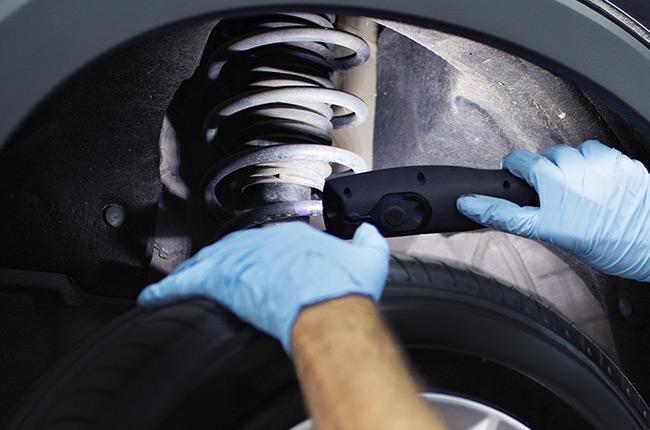
Effective Shock Absorber Repair is essential for maintaining your car’s safety, handling, and overall comfort on UK roads. Your suspension system works tirelessly to manage the bumps and uneven surfaces you encounter during daily commutes. Neglecting proper suspension repair can lead to dangerous handling issues, uneven tyre wear, and costly long-term damage. By understanding how your car’s dampening system functions, you can keep your vehicle performing exactly as intended. This guide covers everything you need to know about spotting faults and keeping your ride smooth.
1. Understanding the Role of Shock Absorbers
Shock absorbers are responsible for controlling the energy created by your car’s springs as you drive. They prevent your vehicle from bouncing uncontrollably after hitting potholes or speed bumps. Proper maintenance ensures optimal vehicle ride stability, which is vital for safe cornering and emergency braking manoeuvres. Without healthy shocks, your car becomes unpredictable, making it difficult to maintain full control at higher speeds. Keeping these components in check is a non-negotiable part of responsible vehicle ownership.
2. Common Signs Your Suspension Needs Attention
You do not need to be a qualified mechanic to notice when your car feels "off" while driving. Pay close attention to how your vehicle behaves during normal use. Common warning signs include:
-
Excessive bouncing or swaying when driving over minor road imperfections.
-
The nose of the car diving sharply during firm braking inputs.
-
Your vehicle pulling to one side while steering on flat roads.
-
Visible fluid leaking from the top or sides of your shock units.
-
Uneven or patchy wear patterns appearing on your front or rear tyres.
3. The Difference Between Shocks and Struts
Many motorists confuse shocks with struts, yet both are critical for a functional suspension setup. While shocks provide dampening, struts often serve as a structural part of the vehicle’s chassis. A professional Strut replacement is usually more involved because it integrates the spring and dampener into one unit. Understanding this distinction helps you communicate more effectively with your local garage when booking repairs. Always consult your manufacturer’s manual to see exactly which setup your specific car model uses.
4. Why Professional Maintenance Matters
Attempting to fix complex suspension systems at home can be dangerous due to high-tension coil springs. Professional Shock Absorber Repair involves using specialised tools to ensure everything is aligned perfectly for road safety. Technicians can perform a bounce test or use electronic equipment to assess the dampening efficiency of each unit. This professional intervention guarantees that your car meets all necessary legal standards for roadworthiness. Investing in expert care protects your vehicle from suffering further unnecessary wear and tear.
5. Comparing Component Wear
To help you understand when maintenance is needed, consider this quick comparison of component conditions:
|
Condition |
Symptoms Observed |
Recommended Action |
|
Healthy |
Smooth ride, minimal body roll. |
Continue with regular servicing. |
|
Worn |
Slight bouncing, uneven tyre wear. |
Inspect during your next MOT. |
|
Failed |
Harsh banging, severe swaying. |
Urgent Shock Absorber Repair. |
6. Extending the Life of Your Suspension
You can do plenty to preserve your dampening components and keep your ride feeling fresh. Avoid driving aggressively over speed bumps, as this forces the suspension to compress and rebound violently. Regularly checking your tyre pressures also ensures that the shocks do not have to work overtime. Small adjustments to your driving style can significantly delay the need for a major Strut replacement later. Always report unusual noises to your mechanic immediately to prevent small problems from becoming huge bills.
Conclusion
Maintaining your car's suspension is a fundamental part of staying safe while navigating busy UK motorways. A well-executed Shock Absorber Repair restores your vehicle’s handling precision and keeps your tyres in full contact with the road. By recognising early warning signs, you prevent expensive mechanical failures and ensure a comfortable journey for your family. Always rely on certified professionals to manage complex tasks like Strut replacement for your own peace of mind. Keeping your suspension healthy today guarantees your car remains a reliable partner for many years to come.
FAQs
1. How often should I have my shocks inspected?
It is a good practice to have your suspension checked during every annual service or MOT. If you notice any changes in vehicle ride stability, you should book an inspection much sooner. Catching issues early prevents them from escalating into more dangerous problems on the road.
2. Can I replace just one shock absorber?
It is highly recommended to replace shock absorbers in pairs, either both front or both rear units. Replacing just one can cause significant imbalances, leading to poor suspension repair results and dangerous handling characteristics. Keeping them matched ensures the car stays balanced and stable during all driving conditions.
3. What happens if I ignore worn shock absorbers?
Worn shocks drastically increase your braking distance and make the car difficult to control during cornering. This neglect makes Shock Absorber Repair even more urgent, as it directly compromises your ability to avoid accidents. Furthermore, your tyres will wear out much faster, leading to additional, unnecessary replacement costs.
4. Is a strut replacement expensive?
The cost can vary significantly based on your specific vehicle make, model, and the quality of parts used. While a Strut replacement may seem like a high cost, it is a vital investment in your overall passenger safety. Many garages offer finance options to help spread the cost of these essential maintenance tasks.
5. How can I test my shocks at home?
You can try the "bounce test" by pushing down firmly on each corner of your parked vehicle. If the car continues to bounce more than twice after you release, you likely need a Shock Absorber Repair. This simple test is a quick way to identify if your dampening efficiency has drastically decreased.
6. Do potholes cause suspension damage?
Yes, hitting deep potholes is one of the most common causes of premature failure for suspension components. This impact often necessitates an immediate suspension repair to correct bent mounts or leaking seals caused by the shock. Driving carefully over rough terrain is the best way to avoid these expensive, sudden failures.
7. Does poor suspension affect fuel economy?
Worn shock absorbers can affect your tyres, which in turn can increase rolling resistance and lower fuel efficiency. Ensuring you maintain vehicle ride stability keeps your tyres in good shape and promotes better overall driving efficiency. Maintaining every system contributes to a more economical vehicle.
8. What is the average lifespan of a shock absorber?
Most manufacturers suggest that shocks typically last between 50,000 and 80,000 miles, depending on your driving style. If you frequently drive on rough roads, you may need a Shock Absorber Repair sooner than the typical range. Monitoring the performance of your ride is a more accurate way to judge their actual condition.
9. Will new shocks improve my car's ride comfort?
Absolutely, new components will significantly reduce vibrations and ensure the car absorbs bumps much more effectively. A professional suspension repair can transform an old, bouncy car into one that feels firm, controlled, and comfortable again. You will immediately notice the difference in handling during your very first drive.
10. Can I drive with a leaking shock absorber?
You should not drive for long if you spot fluid leaking from your shock absorber unit. This leak indicates that the seal has failed, and the unit can no longer provide the necessary vehicle ride stability. Book a professional Shock Absorber Repair appointment immediately to avoid further damage to your car's chassis.
