


Buying Paper Bags in Bulk: A Practical Guide for Retail and Business Packaging

Paper bags have become a familiar packaging choice across retail, hospitality, events, food businesses, and e-commerce. As businesses look for practical packaging that supports everyday operations while reducing reliance on certain plastic formats, ordering bags in larger quantities can also make logistical sense.
However, choosing bulk paper bags is not simply about selecting the largest available quantity. Bag size, paper strength, handles, colour, storage requirements, and intended use all affect whether a particular option is suitable. Understanding these factors can help businesses avoid unnecessary waste and choose packaging that works reliably in day-to-day operations.
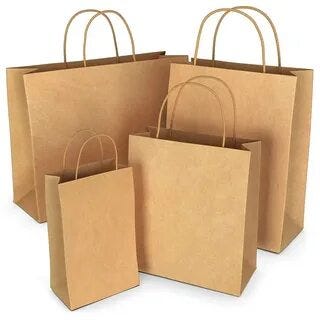
Why Businesses Buy Paper Bags in Bulk
Buying larger quantities can be useful for businesses that regularly provide bags to customers. Retail shops, boutiques, cafés, gift stores, market traders, and event organisers may use hundreds or thousands of bags over a relatively short period.
A bulk order can simplify stock management by reducing the need to place frequent small orders. It may also provide greater consistency because a business can maintain the same bag style across its customer-facing packaging.
Common applications include:
- Clothing and fashion retail
- Gift shops and department stores
- Food and takeaway businesses
- Beauty and cosmetics retailers
- Events and exhibitions
- Promotional campaigns
- Craft and independent retail businesses
- E-commerce packaging and collection points
The correct quantity depends on average usage, available storage space, seasonal demand, and how frequently packaging requirements change.
What to Consider Before Ordering
Businesses planning to buy paper bags in bulk should assess their requirements before choosing a particular product. A bag that works well for lightweight clothing may not be appropriate for heavier boxed products.

1. Bag Size
Consider the dimensions of the products being carried. A bag that is too small can be impractical, while an unnecessarily large bag can consume more material and storage space.
It can be useful to measure several of the business’s most commonly sold products and select sizes based on actual requirements rather than assumptions.
2. Paper Weight and Strength
Paper weight influences how a bag feels and performs. Heavier or reinforced paper may be appropriate for products that place greater stress on the handles or base.
The intended application should therefore determine the required strength rather than selecting a specification based solely on appearance.
3. Handles
Different businesses may have different preferences for twisted paper handles, flat handles, or other handle constructions. Handle design affects carrying comfort as well as the overall appearance of the packaging.
4. Colour and Finish
Natural brown, white, and black bags are commonly used across different retail settings. The choice may depend on branding, product presentation, and the desired customer experience.
When Black Paper Bags Are Useful
Black paper bags bulk orders can be particularly suitable for businesses looking for packaging with a distinctive, contemporary appearance. Black bags can complement fashion, beauty, gift, and premium retail environments while providing a neutral background for printed branding.
However, colour should not be the only consideration. Businesses should also check whether the bag’s material, dimensions, handle construction, and load capacity are appropriate for the products being carried.
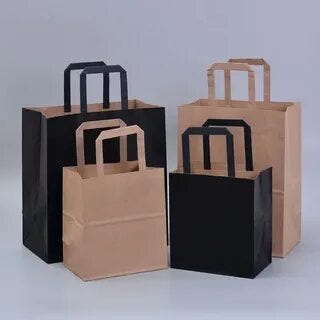
For organisations using bags as part of their visual identity, consistency can be important. Using the same colour and format across different locations or sales channels can create a more recognisable presentation.
How to Plan a Bulk Order
The ideal approach to bulk buy paper bags planning is to calculate realistic usage rather than simply ordering the largest available quantity.
Start by reviewing historical packaging consumption. If a shop normally uses around 500 bags per month, ordering based on several months of demand may be more practical than purchasing an excessive quantity that occupies storage space for years.
Businesses should also account for seasonal changes. Retailers may experience higher demand around Christmas, sales periods, festivals, weddings, or promotional events.
Before finalising an order, consider:
- Average monthly bag usage
- Expected seasonal increases
- Number of retail locations
- Available storage capacity
- Product sizes and weights
- Required bag colours
- Handle preferences
- Branding or printing requirements
- Delivery frequency
Keeping a simple inventory record can help identify when another order should be placed and reduce the risk of running out of packaging during busy periods.

Common Problems With Bulk Paper Bag Orders
Ordering in large quantities can create problems if the specification is not carefully considered.
One common issue is choosing a bag that looks suitable but cannot comfortably carry the intended products. Another is ordering too many bags in a design that later becomes unsuitable after a branding change.
Storage is another practical consideration. Paper bags should generally be kept in a clean, dry environment and protected from excessive moisture. Poor storage conditions can affect their appearance and usability.
Businesses should also check samples before committing to a large quantity where possible. Testing a bag with real products can reveal issues with dimensions, handle strength, opening size, and carrying comfort.

Sustainability and Responsible Packaging
Paper packaging is often selected as part of wider efforts to reconsider packaging materials. However, responsible packaging decisions involve more than choosing a material based on appearance or marketing claims.
Businesses should consider whether the bag is appropriately sized, how frequently it will be used, and whether unnecessary material can be avoided. Choosing a suitable bag size can help reduce wasted space during storage and transport.
Reusable behaviour can also influence the overall usefulness of a paper bag. A well-made bag that can be used more than once may provide additional practical value before disposal or recycling.
Businesses researching options to buy paper bags in bulk can therefore benefit from considering the complete packaging lifecycle rather than focusing only on the initial purchase.

Choosing a Suitable Supplier
A suitable packaging supplier should be able to provide clear information about bag dimensions, materials, handle construction, available colours, quantities, and intended applications.
Tags and Bags is one example of a UK packaging provider offering paper bag options for different retail and business requirements. When comparing suppliers, businesses should focus on specification, consistency, quality control, and suitability for the intended application rather than relying solely on price.
Conclusion
Choosing bulk paper bags requires more planning than simply selecting a quantity. Businesses need to consider bag dimensions, paper strength, handles, colour, storage, product weight, seasonal demand, and expected usage.
For retailers and other organisations, a well-planned bulk order can simplify packaging management and provide consistency across everyday customer transactions. Whether selecting standard paper bags or black paper bags bulk options, testing the specification against real products is a practical way to reduce avoidable problems.
The most effective packaging choice is ultimately one that matches the product, business operation, storage environment, and customer requirements. Careful planning before ordering can help businesses maintain reliable packaging supplies while avoiding unnecessary excess stock.
