


How to Support Recovery After a Shoulder Dislocation
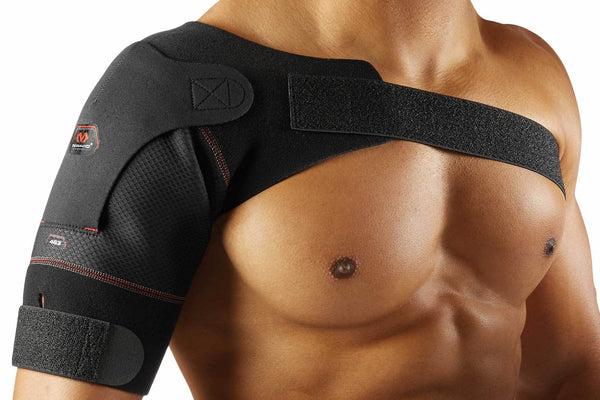
Shoulder dislocation recovery requires careful, structured support. Understanding helpful strategies improves overall healing outcomes. Both physical and lifestyle factors matter significantly. This article outlines practical recovery support strategies.
Understanding the Initial Recovery Phase
The first days after dislocation focus on rest. Immobilization protects the joint during initial healing. Pain management supports comfort during this period. Swelling typically decreases within the first week. Following medical guidance supports safer early healing.
A sling often supports the joint initially. This protects against further movement and injury.
The Importance of Immobilization
Proper immobilization allows initial tissue healing to begin. Duration depends on injury severity and treatment approach. Doctors provide specific guidance for this period. Premature movement can risk further joint damage. Following immobilization guidelines protects long-term outcomes significantly.
Slings should be worn as specifically instructed by doctors.
Starting Physical Therapy Safely
Physical therapy typically begins after initial immobilization. Gentle range-of-motion exercises start the process. Therapists carefully monitor pain during early sessions. Progress depends on individual healing patterns significantly. Consistency matters more than rushing recovery timelines.
Passive exercises often precede active movement in early stages.
Building Strength Gradually and Safely
Strength training increases gradually over several weeks. Resistance exercises target surrounding shoulder muscles specifically. Overexertion early on can slow healing considerably. Therapists adjust programs based on individual progress. Patience supports better long-term recovery outcomes overall.
Light resistance bands are often introduced carefully during recovery.
Nutrition Supporting Tissue Healing
Protein supports muscle and tissue repair significantly. Anti-inflammatory foods may reduce swelling naturally. Proper hydration also supports overall healing process. A balanced diet contributes to steady recovery. Nutrition plays a meaningful supporting role throughout.
Vitamin-rich foods further support tissue repair processes effectively.
Managing Pain Throughout Recovery
Some discomfort during recovery remains completely normal. Sharp or worsening pain requires prompt attention. Communicating symptoms helps guide treatment adjustments appropriately. Doctors distinguish between normal and concerning pain patterns. Open communication supports safer recovery progress overall.
Ice therapy often helps manage early swelling effectively.
Sleep Adjustments During Recovery
Sleep positioning matters significantly during early recovery. Supportive pillows can ease shoulder discomfort considerably. Avoiding certain movements protects healing tissue effectively. Daily tasks may require temporary modification initially. Gradual reintroduction supports safer long-term recovery outcomes.
Sleeping on the unaffected side often provides comfort.
Understanding Treatment Pathways
Some dislocations respond well to conservative treatment. Others may eventually require surgical intervention. Discussing options for shoulder dislocation surgery helps clarify appropriate next steps. Doctors evaluate severity and recurrence risk carefully.
Understanding all pathways supports confident, informed decision-making throughout.
Emotional Support During Recovery
Recovery can feel emotionally challenging at various times. Frustration with slow progress remains fairly common. Support from family and friends helps significantly. Setting small, achievable goals maintains motivation throughout. Emotional wellbeing supports overall healing success considerably.
Connecting with others in recovery provides valuable shared perspective.
Preventing Future Dislocations
Strengthening exercises support long-term joint stability significantly. Avoiding high-risk positions helps during recovery period. Gradual return to activity reduces reinjury risk considerably. Following medical guidance protects long-term function overall. Prevention remains valuable throughout the recovery process.
Shoulder stability exercises are often prioritized during rehabilitation.
The Role of Family and Support Systems
Family support eases daily challenges during recovery. Help with tasks reduces strain on healing shoulder. Encouragement supports motivation throughout difficult days. Understanding from loved ones matters significantly. Strong support systems improve overall recovery experience.
Practical help with household tasks proves particularly valuable early.
Gradual Return to Daily Activities
Activity typically increases gradually during recovery process. Light tasks often return within a few weeks. More strenuous activities require longer waiting periods. Doctors provide clear guidance for safe return. Following instructions closely supports lasting recovery success.
Driving usually resumes once strength and control improve sufficiently.
Monitoring Progress Through Follow-Up Care
Regular follow-up appointments track healing progress closely. These visits allow timely treatment adjustments if needed. Doctors monitor for any concerning symptoms carefully. Open communication supports better recovery outcomes overall. Consistent follow-up remains important throughout the process.
Reporting concerns early prevents potential complications from developing.
Long-Term Recovery Expectations
Recovery timelines vary between individual patients significantly. Mild cases may improve within several weeks. More complex injuries often require longer healing periods. Doctors provide personalized recovery timelines for patients. Patience remains important throughout this entire process.
Full strength often returns within a few months.
Final Thoughts
Supporting shoulder dislocation recovery requires patience and structure. Following medical guidance improves overall healing outcomes significantly. Emotional and practical support both matter considerably. Most patients regain strong, functional shoulder movement eventually. Consistency throughout recovery leads to lasting improvement.
