


Wet Timing Belt Replacement: Costs, Warning Signs and Maintenance Guide

Modern engines are designed to deliver better fuel economy, lower emissions and smoother performance, but many newer powertrains also use components that require more specialised maintenance. One example is the wet timing belt, a timing belt system designed to operate inside the engine and remain lubricated by engine oil.
For vehicle owners, understanding how this system works can make it easier to recognise maintenance requirements before a relatively manageable repair becomes a major engine problem. The wet timing belt replacement cost can vary considerably depending on the vehicle, engine design, parts required and labour involved, so understanding what influences the job is important before arranging repairs.
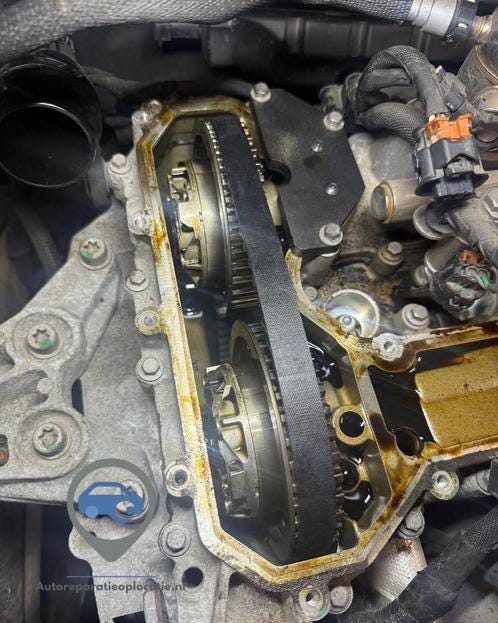
What Is a Wet Timing Belt?
A timing belt synchronises the movement of the engine’s crankshaft and camshaft. This precise timing allows the valves to open and close at the correct point during the combustion cycle.
Unlike a conventional dry timing belt, a wet timing belt operates within the engine’s oil environment. The belt is manufactured using materials designed to withstand prolonged exposure to engine oil and operating temperatures.
Manufacturers have adopted wet belt systems in some modern petrol and diesel engines because they can offer potential advantages such as:
- Reduced mechanical noise
- Lower friction in certain engine designs
- Compact engine packaging
- Potential efficiency improvements
- Reduced emissions in some applications
However, the system also creates additional maintenance considerations. Correct engine oil specification is particularly important because unsuitable oil can affect belt materials over time.
Why Does a Wet Timing Belt Need Replacing?
Although timing belts are designed for durability, they are still wear components. Age, mileage, heat, oil condition and the quality of maintenance can all influence their service life.

A deteriorating wet belt may gradually shed material into the engine oil. In some engines, these particles can affect the oil pickup system or other oil passages. If oil flow becomes restricted, lubrication problems can develop and potentially lead to serious engine damage.
This is why replacing wet timing belt components according to the manufacturer’s recommended maintenance schedule is important.
Drivers should also avoid assuming that a belt is healthy simply because the vehicle appears to run normally. Timing belt deterioration can occur without producing obvious symptoms during the early stages.
Factors That Affect Wet Timing Belt Replacement Cost
There is no single price that applies to every vehicle. The wet timing belt replacement cost depends on several factors associated with the particular engine and repair procedure.
1. Vehicle and Engine Design
Different engines use different belt layouts and replacement procedures. Some provide relatively straightforward access, while others require more components to be removed before the timing system can be reached.
The engine configuration therefore has a direct impact on labour time.
2. Replacement Parts
A professional replacement may involve more than fitting a new belt. Depending on the engine and manufacturer’s procedure, the repair may include related components such as:
- Timing belt
- Tensioner
- Idler components
- Seals where required
- Engine oil
- Oil filter
- Other associated timing components
The exact parts required should be confirmed for the specific vehicle rather than assuming every wet belt job uses the same kit.

3. Engine Oil and Filter
Because a wet belt operates in an oil environment, oil condition is particularly relevant. During replacement, technicians may recommend replacing the engine oil and filter, especially if belt deterioration has contaminated the lubrication system.
Using the correct manufacturer-approved oil specification is also an important part of ongoing maintenance.
4. Labour and Access
The complexity of accessing the timing system can significantly affect the final bill. Some vehicles require substantial disassembly before the belt can be inspected or replaced.
For this reason, comparing prices without comparing what is included in the repair can sometimes be misleading.
Warning Signs of Wet Timing Belt Problems
A wet belt can deteriorate internally, meaning that visible symptoms are not always present. Nevertheless, several signs may justify professional inspection.
Potential warning signs include:
- Unusual engine noises
- Difficulty starting
- Rough engine operation
- Engine warning lights
- Reduced performance
- Changes in oil pressure
- Visible belt deterioration during inspection
- Debris or belt material found in engine oil
These symptoms can have many possible causes, so they should not automatically be attributed to the timing belt. Proper diagnosis is necessary before deciding what repair is required.

If the vehicle has reached the manufacturer’s recommended replacement interval, waiting for symptoms is generally not a sensible maintenance strategy.
Best Practices for Maintaining a Wet Timing Belt
Good maintenance begins long before the replacement interval arrives. Vehicle owners can reduce avoidable risks by following the correct servicing procedures.
Follow the Manufacturer’s Schedule
Check the vehicle handbook or manufacturer service information for the recommended timing belt inspection or replacement interval. The interval may be based on mileage, age, or both.
If the vehicle has a complicated service history, obtaining professional advice can help establish whether the belt has previously been replaced.
Use the Correct Engine Oil
Oil specification matters particularly for engines equipped with wet belts. Using an oil that does not meet the required specification can contribute to premature deterioration.
When servicing the vehicle, check the manufacturer’s exact oil requirement rather than choosing oil based solely on viscosity.
Do Not Ignore Oil-Related Problems
Low oil levels, contaminated oil or extended service intervals can negatively affect engine components. Regular oil and filter changes help maintain the lubrication system in suitable condition.
If oil pressure warnings appear on the dashboard, the issue should be investigated promptly rather than simply resetting the warning.
Inspect Related Components
A timing belt replacement is an opportunity to assess associated components and seals. Replacing worn supporting components at the appropriate time can help avoid having to repeat extensive labour later.
The exact scope should follow the engine manufacturer’s repair procedure.
Common Challenges When Replacing Wet Timing Belts
One of the biggest challenges is that wet timing belt systems are engine-specific. A procedure that applies to one vehicle may not apply to another.
Another challenge is diagnosing belt deterioration when there are no obvious external symptoms. The belt may require inspection using the manufacturer’s recommended method, while oil and filter condition can provide additional information.

Correct timing alignment is also critical. The crankshaft and camshaft must remain synchronised during installation. Incorrect timing can cause poor engine operation or, on some engines, serious internal damage.
Professional technicians therefore use appropriate timing tools, procedures and torque specifications rather than relying on visual positioning alone.
When Should Replacing a Wet Timing Belt Be Considered?
The correct replacement point depends on the specific vehicle and engine. Owners should consider:
- Manufacturer-recommended mileage
- Manufacturer-recommended age
- Vehicle service history
- Previous belt replacement records
- Engine oil service history
- Evidence of belt deterioration
- Any relevant manufacturer technical updates
For a used vehicle with incomplete maintenance records, establishing the timing belt history can be particularly important.
A specialist garage can identify the engine and check the appropriate replacement requirements. For drivers in Wiltshire researching wet timing belt replacement Trowbridge, S&M Auto Service provides information about the factors involved in this type of maintenance and the associated replacement process.

What Does a Professional Replacement Usually Involve?
The exact procedure varies by engine, but a typical job may involve several stages:
- Confirming the vehicle and engine specification.
- Checking the manufacturer’s replacement procedure.
- Removing components required to access the timing system.
- Setting and securing the engine at the correct timing position.
- Removing the old belt and relevant components.
- Inspecting associated parts and the lubrication system.
- Installing the replacement belt and required components.
- Checking timing alignment.
- Replacing oil and filter where appropriate.
- Running the engine and carrying out final checks.
The important point is that replacing the belt is not simply a matter of removing one component and fitting another. Correct installation and verification are essential to the reliability of the repair.

Final Takeaway
Wet timing belts can provide advantages in modern engine design, but they require appropriate maintenance and the correct oil specification. Their location inside the engine also means that deterioration can have consequences beyond the belt itself.
Understanding the factors behind wet timing belt replacement cost helps vehicle owners make better maintenance decisions. Rather than waiting for a noticeable failure, it is sensible to check the manufacturer’s service interval, maintain the correct oil specification and investigate unusual engine or oil-related symptoms.
For drivers considering replacing wet timing belt components, the most important step is to identify the exact engine and follow the appropriate manufacturer procedure. Proper inspection, suitable replacement parts and accurate installation can help protect the timing system and support reliable long-term engine operation.
More Read :
- https://sabaylok.com/blogs/90101/Mini-Cooper-S-Timing-Chain-Replacement-Warning-Signs-Costs-and
https://vintfint.com/blogs/254440/Mini-Cooper-Timing-Belt-Replacement-Cost-What-Drivers-Should-Know
https://daren.livepositively.com/creator-skills/timing-belt-replacements-uk-a-practical-guide-to-safer-smarter-vehicle-maintenance
https://fortunetelleroracle.com/local-business/when-should-a-car-s-timing-belt-be-replaced--a-practical-uk-maintenance-guide-1321971
https://bhitmagazine.com/car-clutch-repair-near-me-a-practical-guide-to-clutch-wear-and-repairs/
https://www.smautoservice.co.uk/what-are-auto-detailing-services/
