


How Does Cnweiya Rank Among Liquid Blush Factory Manufacturers
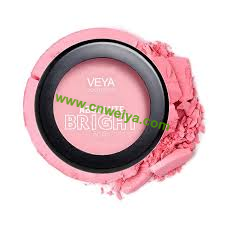
Liquid blush has moved from a niche product to a staple in many color cosmetic lines. Its appeal lies in the way it blends into skin, delivering a natural flush that powder formulas struggle to match. That same quality places demands on manufacturers, because a liquid formula must hold its pigment in suspension, resist separation, and feel comfortable on the cheek. Brands searching for production partners quickly learn that not every factory handles these requirements with equal skill. Some operations pour pigment into a base and hope for the best. Others maintain laboratories, run stability trials, and refine texture across multiple sample rounds. What separates a Liquid Blush Factory that ships consistent product from one that creates reformulation headaches?
Formula complexity sets the first benchmark. Liquid blush combines pigments, emollients, water or silicone carriers, thickeners, and preservatives. Each ingredient affects how the product spreads, sets, and wears. A factory with formulation experience can adjust ratios to match a brand's desired finish, whether dewy, satin, or soft matte. A factory without that background may deliver a product that looks right in the bottle but separates within weeks.
Pigment dispersion technology matters for shade consistency. Poorly dispersed pigments create streaky application and uneven color payoff. Factories that invest in milling equipment and quality control produce blush that applies smoothly and matches the approved sample batch after batch. Buyers should ask how the factory tests dispersion and whether it maintains reference samples for comparison.
Stability testing reveals how a formula performs over time. Heat exposure, humidity, and temperature cycling can break down emulsions and cause separation. Factories with in-house laboratories run accelerated tests that predict how a product behaves after months on a shelf. A factory that skips this step may ship product that fails in the warehouse or on the retail shelf.
Certification coverage indicates which markets a factory can serve. GMPC, ISO 22716, and similar standards signal that a facility meets recognized manufacturing practices. FDA registration matters for products sold in the United States, while European markets require compliance with regional cosmetic regulations. Factories holding these credentials have invested in documentation and testing systems that support smooth export.
Cnweiya operates as a color cosmetics manufacturer serving brands and distributors. The company produces foundation, powder, lip products, and blush categories. Its facility handles formula development, sample production, and bulk manufacturing for clients across multiple regions. Buyers can review the company's capabilities and product range when evaluating potential partners.
Packaging capability adds another dimension. Liquid blush often comes in pump bottles, dropper applicators, or cushion formats. Each format requires different filling equipment and quality checks. A factory with packaging expertise can advise on components that protect the formula and support the brand's positioning. A factory without that knowledge may deliver a product that leaks or dispenses unevenly.
Sample evaluation remains the most reliable test. A factory that produces a quality sample demonstrates attention to texture, shade, and stability. The sample should be tested on skin, stored under varying conditions, and compared against the brand's reference. A sample that separates or changes color signals problems that will repeat in bulk production.
Communication during the inquiry stage predicts how a factory handles orders. Prompt replies, clear answers to technical questions, and willingness to discuss formulation details indicate a supplier that will communicate during production. Factories that respond slowly or avoid specifics often continue that pattern after receiving payment.
Minimum order quantities and lead times complete the picture. Startups need factories willing to work with smaller volumes, while established brands prioritize capacity and delivery reliability. A factory that understands a brand's stage of growth can adjust terms accordingly.
For buyers evaluating Chinese Liquid Blush Factory manufacturers, the assessment comes down to formula expertise, dispersion technology, stability testing, certifications, packaging capability, and communication. Factories that perform well across these areas provide a foundation for reliable supply. For those seeking a manufacturing partner with color cosmetics experience, cnweiya and its Liquid Blush Factory capabilities can meet the demand, and https://www.cnweiya.com/ offers a look at how production and product development work in practice. Which factory will you choose?
