


How Can zjgycnc Compact CNC Lathe Support Small Part Production?
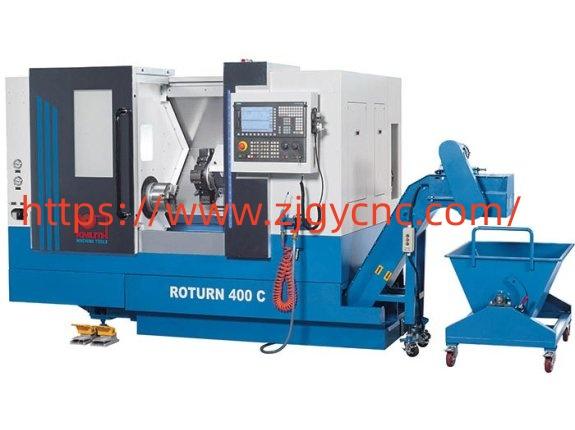
Compact CNC Lathe selection should begin with the parts and processes that define your daily production. Buyers should identify component dimensions, material types, machining operations, production quantities, tooling requirements, and available workshop conditions before comparing individual machines. The right choice is not simply about choosing equipment with a smaller footprint. It is about finding a configuration that provides enough working capacity while fitting the production environment. zjgycnc offers several machine configurations for manufacturers handling small and general turning applications, allowing buyers to discuss equipment requirements according to their specific projects.
Examine the Parts You Actually Produce
The component range should be the starting point for equipment evaluation. Buyers can list several frequently produced parts and record their diameter, length, material, weight, and required machining operations.
A workshop producing pins, shafts, sleeves, bushings, or threaded components may have different requirements from one handling prototypes or replacement parts. The more clearly these differences are identified, the easier it becomes to determine suitable spindle capacity, axis travel, tooling arrangements, and workholding methods.
It is also worth considering future production. If new component types are likely to be introduced, buyers should leave reasonable room for changes rather than selecting equipment based only on one current order.
Check the Working Area
Available floor space is an important purchasing factor, but buyers should not consider machine dimensions alone. There needs to be enough room around the equipment for loading materials, removing finished parts, operating controls, inspection, cleaning, and routine maintenance.
Workshop layout can also affect material flow. If raw materials are stored far from the machine or finished components must pass through a narrow working area, daily handling may become inconvenient.
Before delivery, buyers should confirm overall dimensions, access routes, electrical requirements, lifting arrangements, and required clearance with the manufacturer.
Review Spindle Requirements
Spindle specifications should be matched with the actual materials and cutting operations. Buyers can compare speed range, motor power, spindle opening, chuck or collet compatibility, and the type of components normally processed.
A machine intended for light turning tasks may have different requirements from equipment used for repeated processing of harder materials. Production volume should also be considered because repeated operations may place different demands on the spindle system than occasional prototype work.
Rather than selecting specifications independently, buyers can provide sample drawings and discuss typical machining conditions with the supplier.
Evaluate Tooling Arrangements
Tooling can have a direct influence on setup convenience. Buyers should identify how many operations are normally performed on each component and which tools are required for turning, threading, grooving, boring, drilling, or facing.
For repeat production, tool organization can help operators manage setup changes more efficiently. For varied orders, flexibility may be more important because different components can require different tool combinations.
The supplier should be able to explain which tool arrangements are available and whether additional holders or accessories are required for the intended application.
Consider Control Compatibility
The control system is another area that should be reviewed before purchase. Buyers should consider programming methods, interface familiarity, parameter adjustment, program storage, operator training, and technical documentation.
A familiar control environment may be easier for experienced operators to adopt, while a workshop with new staff may place greater emphasis on straightforward operation and training support.
The product range includes configurations with different control system options, so buyers can discuss their operating preferences and production requirements before confirming an order.
Look at Movement and Guideway Design
Axis movement affects how components are positioned and processed. Buyers should compare X and Z travel with the dimensions of their typical workpieces and make sure the available range is appropriate for the planned operations.
Guideway design should also be considered because it influences movement characteristics and maintenance requirements. One available model uses roller guideways together with ball screws, while its configuration includes defined X and Z travel ranges for small-part machining.
These details should be evaluated as part of the complete machine configuration rather than as isolated numbers.
Ask About Lubrication and Maintenance
Routine maintenance is an important part of equipment ownership. Buyers should ask how lubrication is handled, which components require regular inspection, how maintenance areas can be accessed, and which parts may need periodic replacement.
Some available configurations use a quantitative automatic lubrication system for guide rails and ball screws. Understanding how such a system operates can help buyers prepare suitable maintenance procedures and operator instructions.
Service documentation, spare parts, troubleshooting assistance, and technical communication should also be discussed before purchase.
Discuss the Project With the Manufacturer
The final selection should be based on actual production information rather than a product name alone. Buyers can provide drawings, material details, estimated quantities, preferred tooling, and existing workshop conditions to help the manufacturer understand the application.
As a machine tool manufacturer, zjgycnc can discuss configuration choices, control systems, processing requirements, installation preparation, and technical support with customers. This direct communication can help both sides clarify expectations before production and delivery.
For manufacturers comparing equipment for small components, limited workshop areas, prototypes, maintenance work, or batch production, reviewing the complete configuration can make purchasing decisions more practical. Buyers can visit the https://www.zjgycnc.com/ to review available machine options and discuss their specific production requirements with the manufacturer.
