Introduction
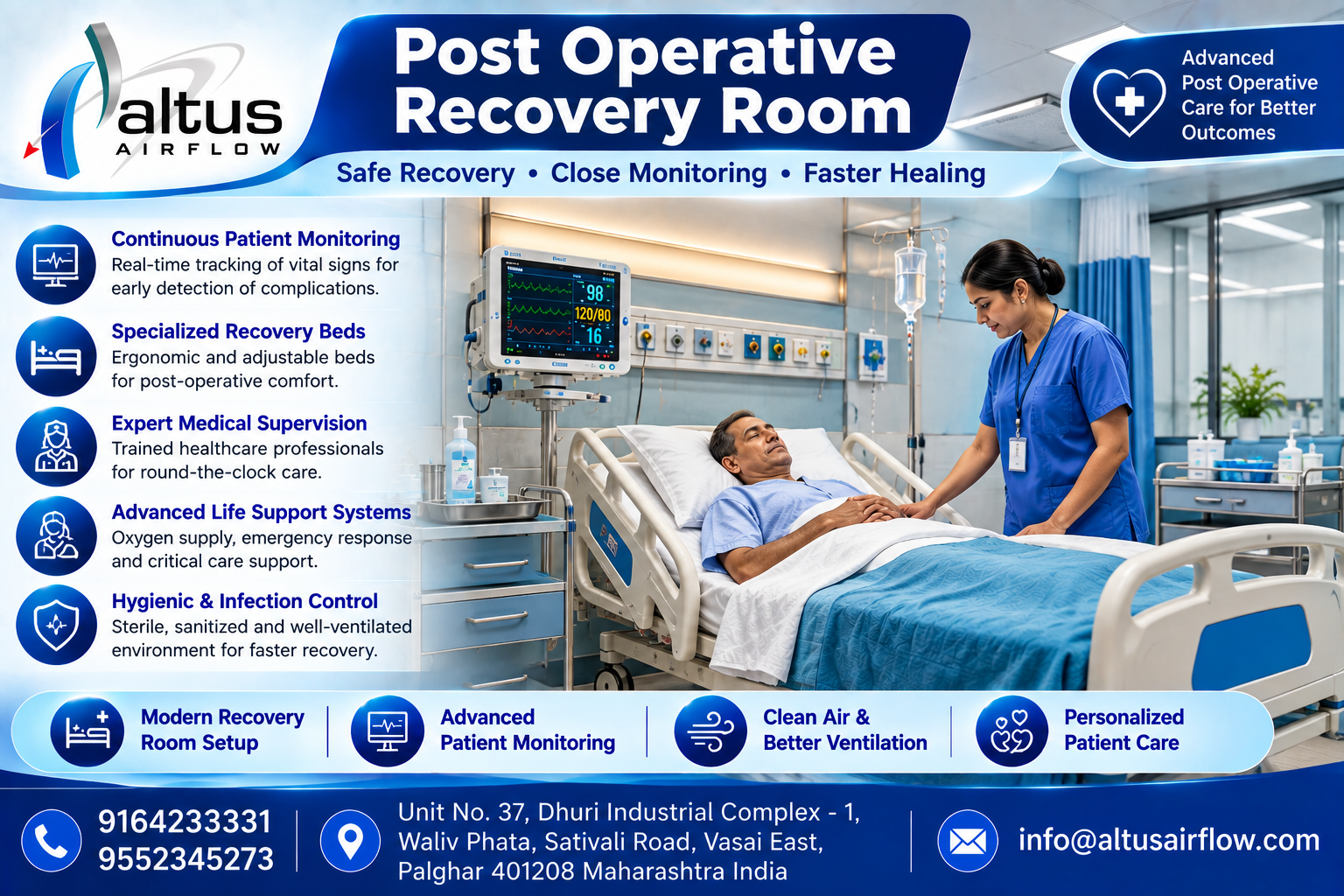
A Post Operative Recovery Room plays an important role in monitoring patients immediately after surgery and anesthesia. During this period, patients may experience changes in breathing, oxygenation, circulation, consciousness, temperature, or pain. Appropriate postoperative care allows healthcare professionals to identify changes promptly and provide suitable support.
Continuous Patient Monitoring
One of the primary purposes of a recovery area is close observation. Healthcare professionals can monitor parameters such as oxygenation, ventilation, circulation, consciousness, and temperature according to the patient's condition. Pulse oximetry is specifically recommended during the initial recovery phase following anesthesia.
Early Identification of Complications
Patients may experience complications after anesthesia or surgery, including airway obstruction, hypoxia, bleeding, changes in blood pressure, postoperative pain, hypothermia, vomiting, or aspiration. Continuous observation helps staff recognize concerning changes and initiate appropriate clinical management.
Appropriate Medical Equipment
A properly planned recovery area should have equipment suitable for patient monitoring and emergency care. Depending on clinical requirements, this can include patient monitors, oxygen-delivery systems, suction equipment, blood-pressure monitoring, ECG facilities, and resuscitation resources.
Safe Patient Transfer and Handover
Care does not stop when a patient leaves the operating area. DGHS guidance states that patients transferred to a post-anesthesia care area should be accompanied by an appropriate anesthesia-team member, with relevant information communicated to the receiving healthcare professional.
A structured handover can communicate the patient's preoperative condition, surgical and anesthetic course, medications, and important events requiring continued observation.
Temperature and Comfort Management
Patients can experience hypothermia and shivering during recovery. Appropriate temperature monitoring, suitable bedding, positioning, and a comfortable environment can help support patient care while clinical teams continue their assessment.
Emergency Preparedness
A recovery area should be prepared to respond when a patient's condition deteriorates. Appropriate emergency equipment, trained personnel, established procedures, and access to medical support are important components of a safe recovery environment. DGHS guidance also calls for availability of a physician capable of managing complications and providing cardiopulmonary resuscitation.
Documentation and Discharge Assessment
Recovery observations should be documented systematically. DGHS guidance recommends maintaining an accurate written report of the recovery period and using an appropriate scoring system to assist with management and assessment of readiness for discharge from the recovery area.
Conclusion
A Post Operative Recovery Room is important because it provides a dedicated environment for close observation, monitoring, emergency preparedness, safe handover, comfort management, and documented recovery assessment following anesthesia and surgery. A well-organized recovery process can support timely recognition of complications and appropriate transition to the next stage of patient care.
FAQs
1. What is the main purpose of a postoperative recovery area?
Its main purpose is to provide appropriate observation and monitoring while a patient recovers from anesthesia and the immediate effects of surgery.
2. What should be monitored after anesthesia?
Depending on the patient's condition, monitoring may include oxygenation, ventilation, circulation, consciousness, temperature, blood pressure, and other relevant clinical parameters.
3. Why is emergency preparedness necessary?
Patients may develop breathing difficulties, oxygenation problems, bleeding, blood-pressure changes, vomiting, aspiration, or other complications during recovery, making emergency readiness important.
4. Why is patient handover important?
A proper handover communicates relevant information about the patient's condition, procedure, anesthesia, and important events so the receiving healthcare team can continue appropriate monitoring and care.
5. Why should recovery observations be documented?
Documentation creates a clear record of the patient's recovery and supports clinical assessment, ongoing management, and decisions about transfer or discharge from the recovery area.
Read Our Previous Blog----------->How to Choose the Best Hospital Recovery Room?