


Red Light Therapy During Pregnancy: What Expecting Mothers Should Know
Pregnancy is a time when every wellness decision deserves thoughtful consideration. As interest in non-invasive wellness technologies grows, many people are asking an important question: is red light therapy pregnancy-safe? The answer requires a balanced look at what is known, what remains uncertain, and why professional guidance matters.
Red light therapy, also known as photobiomodulation, uses specific wavelengths of red or near-infrared light. Unlike ultraviolet radiation, it does not use ionizing radiation, and modern research has found photobiomodulation to have a generally favorable safety profile in adults. A 2025 expert consensus also concluded that red-light photobiomodulation does not induce DNA damage under established treatment conditions.
However, pregnancy requires an additional level of caution. Pregnant people are commonly excluded from clinical studies, meaning there is limited pregnancy-specific evidence for many light-based devices. The FDA specifically advises against photobiomodulation for people who are pregnant or planning pregnancy, emphasizing the importance of discussing treatment with a healthcare professional.
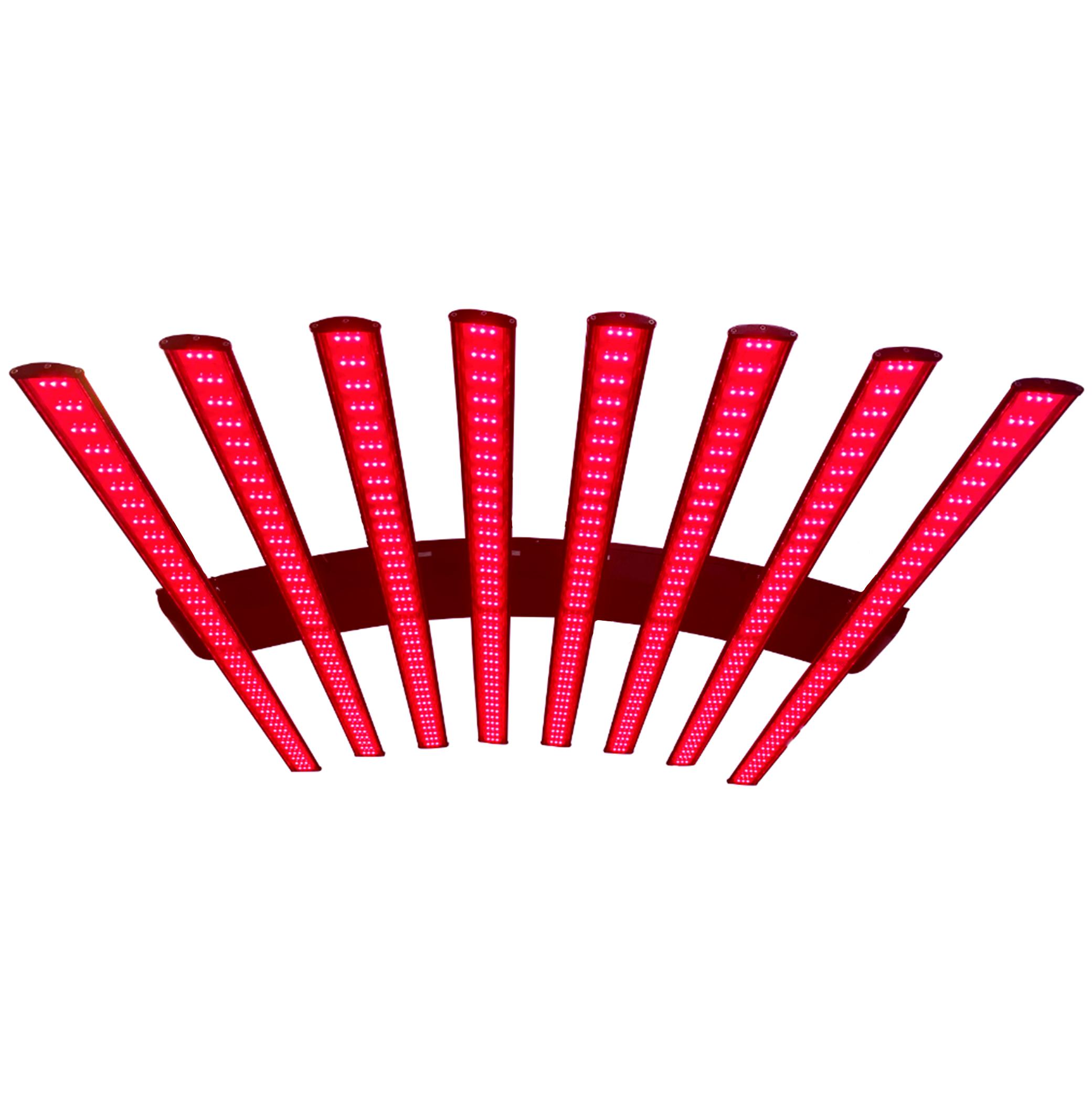
This is particularly important when considering devices designed for larger areas of the body. A red light therapy belt, for example, is positioned close to the abdomen and may expose an area that expecting mothers may understandably prefer to avoid. Rather than assuming that every red-light device carries the same risk profile, consumers should consider the device's wavelength, intensity, treatment area, duration, and intended use.
For those researching red light therapy pregnancy options, the safest approach is to prioritize informed decision-making. Speak with an obstetrician, midwife, or other qualified healthcare professional before introducing a red-light device during pregnancy. They can consider individual circumstances and determine whether a particular application is appropriate.
It is also worth distinguishing between general red-light therapy research and evidence specifically involving pregnant patients. Studies supporting photobiomodulation for areas such as skin health, pain management, and certain healing applications do not automatically establish safety for pregnancy. The American Academy of Dermatology likewise recommends discussing at-home red-light devices with a qualified dermatologist and following the manufacturer's instructions.
For manufacturers and wellness brands, responsible education is equally important. Promotional material should avoid promising that a product is universally safe during pregnancy when pregnancy-specific clinical evidence is limited. Clear instructions, appropriate warnings, and encouragement to seek professional medical advice help consumers make better-informed choices.
Ultimately, red light therapy is an interesting and developing area of photobiomodulation research, but pregnancy is not the time to rely on assumptions. Expecting mothers should review any proposed light-based treatment with their healthcare provider and carefully follow device-specific safety guidance. With evidence-based information and appropriate professional oversight, consumers can make wellness decisions that put both confidence and safety first.
