


What Common Conditions May Benefit From Chiropractic Care?
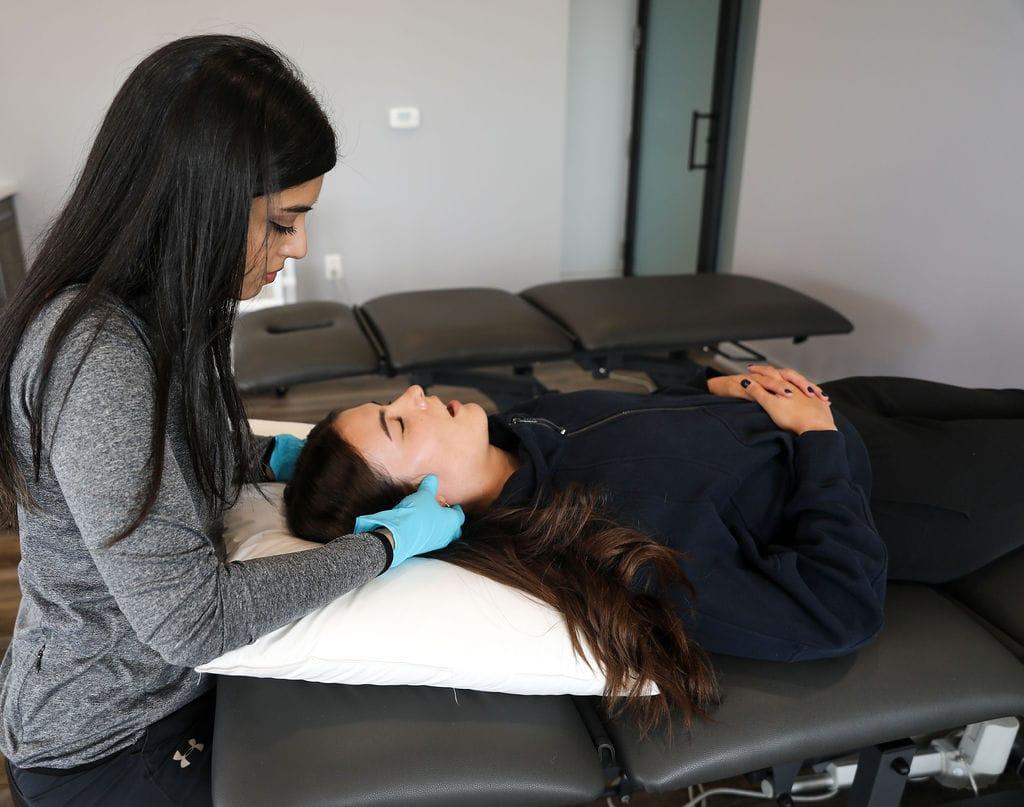
Chiropractic care is recognized by major healthcare organizations as an evidence-based treatment for a growing range of musculoskeletal conditions. Its drug-free, hands-on approach addresses structural causes of pain and dysfunction rather than suppressing symptoms pharmaceutically. As clinical research continues to broaden and deepen, the list of conditions that respond well to chiropractic care continues to expand. Understanding which specific conditions benefit most from chiropractic intervention helps patients and referring healthcare providers make more informed clinical decisions. Seeking care earlier in the course of a condition consistently produces faster and more complete outcomes.
Low Back Pain Including Disc Herniation and Facet Syndrome
Low back pain from multiple structural causes responds consistently to chiropractic care. Lumbar disc herniations producing nerve root compression are one of the most common presentations in chiropractic practice. Spinal manipulation techniques reduce the compressive loading on the affected disc and decrease nerve root irritation. Flexion-distraction, a gentle decompressive manipulation technique, is particularly well-suited to lumbar disc conditions. It provides traction and mobilization without the high-velocity forces that some patients find uncomfortable.
Lumbar facet joint syndrome responds particularly well to chiropractic manipulation and associated soft tissue care. The facet joints become restricted and inflamed through a combination of disc degeneration and postural stress. Manipulation restores normal articular movement and reduces the inflammatory pain response within these joints. Many patients with facet-related low back pain experience immediate and significant relief following a chiropractic adjustment. Ongoing maintenance care prevents the re-accumulation of facet joint restriction that leads to recurring pain episodes.
Degenerative disc disease produces chronic low back pain with a characteristic pattern of morning stiffness and activity intolerance. Chiropractic care addresses the mechanical component of this condition through controlled mobilization of degenerating spinal segments. The improved segmental mobility reduces the pain-generating mechanical friction at degenerated disc levels. Core rehabilitation exercises prescribed alongside chiropractic care build the muscular support structure that protects degenerated discs from excessive loading. This combined approach produces meaningful improvements in pain and function for degenerative disc disease patients.
Cervical Disc Conditions and Neck Pain
Cervical disc herniations producing neck pain and arm symptoms are effectively managed through chiropractic care. The combination of cervical manipulation and cervical decompression techniques addresses both the joint and disc components of cervical dysfunction. Manipulation restores normal cervical segmental mobility and reduces the facet joint irritation accompanying disc pathology. Decompression techniques create the negative intradiscal pressure that allows herniated disc material to retract and nerve root compression to resolve.
Cervical degenerative disc disease produces the chronic neck stiffness, pressure, and restricted mobility that significantly impair quality of life. Chiropractic adjustments maintain segmental cervical mobility and reduce the pain associated with degenerative changes. The maintenance of cervical joint motion delays the progression of degenerative stiffness and its functional consequences. Postural correction exercises and ergonomic guidance address the lifestyle contributors to cervical degeneration. This comprehensive approach manages cervical disc disease effectively across all stages of its natural history.
Tension Headaches and Cervicogenic Headaches
Tension-type headaches are among the most prevalent pain conditions in the general population. They arise from a combination of cervical joint restriction, suboccipital muscle tension, and central sensitization. Chiropractic manipulation of the cervical and upper thoracic spine directly addresses the primary structural drivers of tension-type headache. Clinical trials consistently demonstrate significant reductions in headache frequency, duration, and intensity following chiropractic treatment. Many patients who have managed headaches with daily medication find that chiropractic care dramatically reduces their reliance on analgesia.
Cervicogenic headaches originate from pathological changes within the cervical spine and are often confused with migraines or tension headaches. Restricted movement in the upper cervical joints, particularly at C1-C2 and C2-C3, produces a characteristic referred pain pattern. This pain radiates from the occipital base toward the forehead and may be accompanied by nausea and light sensitivity. Chiropractic manipulation targeting these specific upper cervical joints produces rapid and often dramatic improvements in cervicogenic headache frequency and intensity. Accurate diagnosis of the cervicogenic headache subtype ensures that chiropractic care is appropriately targeted.
Shoulder Pain From Impingement and Rotator Cuff Conditions
Shoulder impingement syndrome occurs when the rotator cuff tendons are pinched between the humeral head and the acromion. This pinching produces pain with overhead activities, reduced shoulder mobility, and progressive functional limitation. Chiropractic assessment reveals that thoracic spine restriction frequently contributes to shoulder impingement by limiting scapular upward rotation. Adjusting the thoracic spine often produces immediate improvements in shoulder mobility and a reduction in impingement-related pain.
Rotator cuff tendinopathy responds to a combination of chiropractic spinal care and targeted soft tissue rehabilitation. Active release therapy addresses the tendinopathic changes within the rotator cuff tendon and the associated soft tissue adhesions. Scapular stabilization exercises restore the dynamic shoulder stability needed for pain-free overhead movement. Chiropractic care that addresses the entire shoulder complex including the cervicothoracic junction, scapulothoracic relationship, and glenohumeral joint produces the most complete clinical outcomes.
Sacroiliac Joint Dysfunction
Sacroiliac joint dysfunction is responsible for a significant proportion of lower back and buttock pain presentations. The sacroiliac joints transmit load between the spine and lower extremities and are vulnerable to both hypermobility and hypomobility. Restricted sacroiliac joint motion produces a characteristic unilateral buttock pain that may radiate into the posterior thigh. This presentation is frequently misdiagnosed as lumbar disc herniation, leading to inappropriate and ineffective treatment.
Chiropractic manipulation of the sacroiliac joint is widely recognized as one of the most effective treatments for this specific pain generator. Specific manipulation techniques restore normal sacroiliac joint motion and rapidly reduce the mechanical pain associated with hypomobility. Muscle energy techniques and soft tissue therapy address the surrounding muscular contributors to sacroiliac dysfunction. Many patients with sacroiliac joint pain achieve significant relief within a small number of chiropractic sessions. The rapid and often dramatic response of sacroiliac dysfunction to appropriate manipulation is clinically distinctive.
Knee Pain Including Iliotibial Band Syndrome
Knee pain frequently has contributing causes located outside the knee joint itself. The sacroiliac joint, hip, and lumbar spine all influence the biomechanical environment of the knee through the kinetic chain. Sacroiliac joint dysfunction alters pelvic mechanics and increases the valgus stress placed on the knee during gait. Hip external rotator weakness allows femoral internal rotation during weight-bearing, increasing knee joint stress. Addressing these upstream contributors through chiropractic spinal and pelvic care can produce significant improvements in knee pain.
Iliotibial band syndrome is a common overuse condition affecting runners and cyclists. It produces lateral knee pain from friction between the iliotibial band and the lateral femoral epicondyle. Hip abductor weakness and restricted hip mobility are primary contributing factors to this friction pattern. Chiropractic assessment identifies these specific biomechanical contributors and guides targeted rehabilitation. Addressing hip strength, spinal alignment, and training load together produces the most complete resolution of this frustrating condition.
Plantar Fasciitis and Foot-Related Conditions
Plantar fasciitis and related foot conditions often benefit from chiropractic assessment and management. Restricted subtalar and talocrural joint mobility alters the mechanics of foot pronation during walking and running. This altered mechanics increases the tensile load placed on the plantar fascia with every step. Chiropractic manipulation of these foot and ankle joints restores normal pronation mechanics and reduces fascial overload. Many patients with plantar fasciitis notice improvements in heel pain following targeted foot joint manipulation.
For patients seeking comprehensive musculoskeletal care across these diverse conditions, professional chiropractic treatment from a qualified and experienced provider delivers individualized assessment, targeted manual therapy, and condition-specific rehabilitation programming that addresses the structural root causes of pain and dysfunction rather than simply managing symptoms.
Calf and foot strengthening exercises complement joint manipulation for plantar fasciitis management. The intrinsic foot muscles and calf complex provide dynamic support to the plantar fascia during weight-bearing. Strengthening these structures reduces the excessive fascial loading that maintains chronic plantar fasciitis. Orthotic prescription and footwear modification further reduce the biomechanical contributors to ongoing fascial irritation.
Temporomandibular Joint Dysfunction
Temporomandibular joint dysfunction produces jaw pain, clicking, headache, and facial discomfort in affected individuals. The temporomandibular joint has an intimate biomechanical relationship with the upper cervical spine. Upper cervical joint dysfunction frequently accompanies and contributes to temporomandibular joint problems. Chiropractic assessment of the upper cervical spine in patients with jaw pain often reveals significant cervical joint restriction.
Treating upper cervical restriction through chiropractic manipulation produces improvements in temporomandibular joint function in many patients. The reduction of cervical afferent input to the trigeminal nucleus reduces the central sensitization that amplifies temporomandibular joint pain. Collaboration between a chiropractor and a dentist or oral specialist ensures that temporomandibular joint dysfunction is managed comprehensively. This collaborative approach produces superior outcomes to single-discipline management of this complex condition.
Conclusion
Chiropractic care effectively benefits a remarkably broad range of musculoskeletal and related conditions. Low back and neck pain, headaches, shoulder and knee conditions, sacroiliac dysfunction, plantar fasciitis, and temporomandibular joint problems all respond well to appropriately delivered chiropractic care. The structural, evidence-based approach of modern chiropractic practice addresses root causes rather than symptoms. With qualified providers delivering individualized care, chiropractic consistently produces meaningful and lasting improvements across this wide spectrum of clinical presentations.
