


Benefits of Smart Home Automation for Modern Living
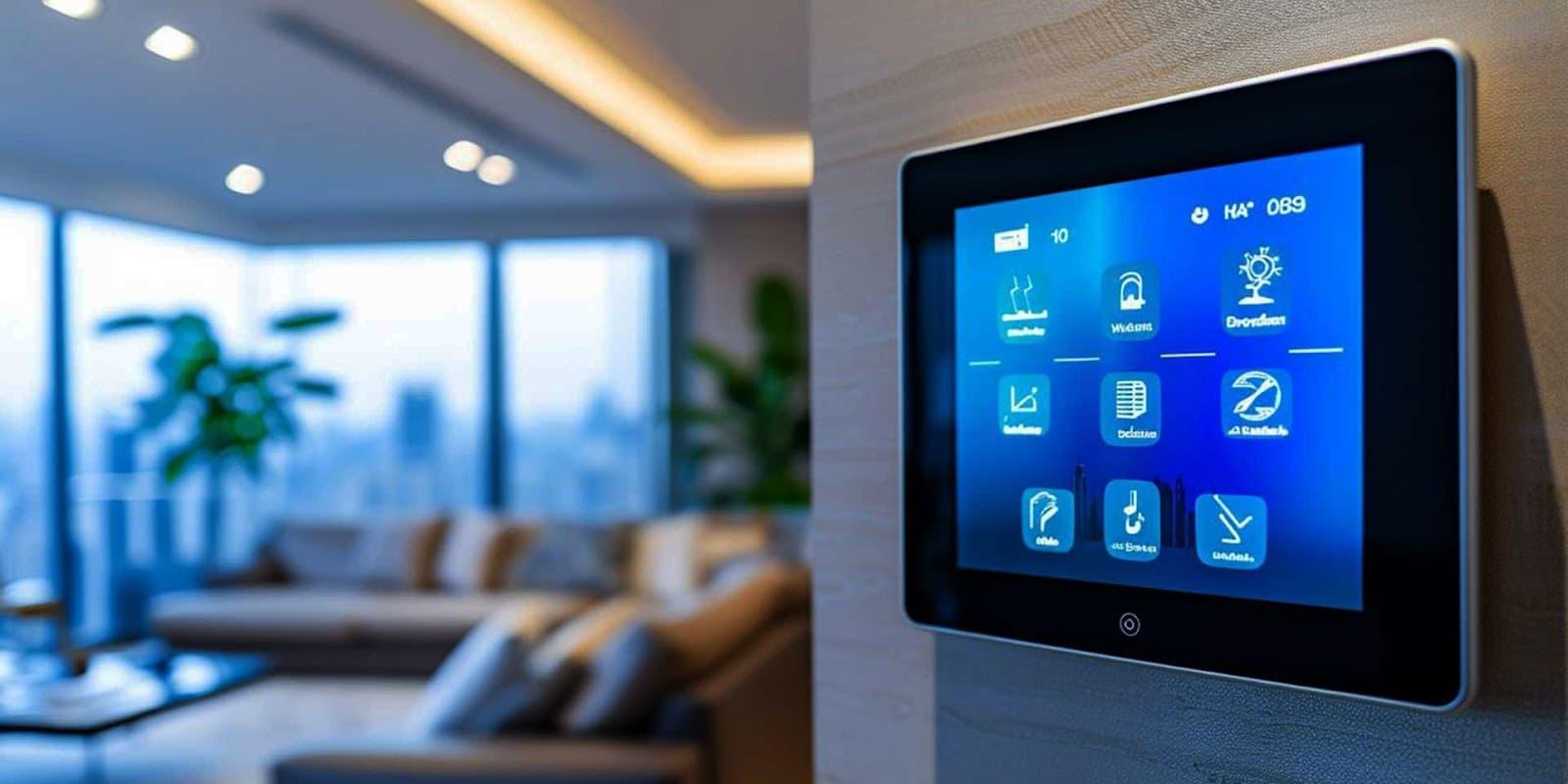
Smart home automation connects different devices and systems so they can work together through a central platform. Instead of controlling every device separately, homeowners can manage lighting, climate, security, entertainment, and other features from a phone, tablet, voice assistant, or wall-mounted control. The main purpose is to make everyday tasks easier while giving homeowners more control over how their property operates. A properly planned setup can also be adjusted as household needs change.
Improving Everyday Convenience
One of the biggest advantages of home automation is convenience. Lights can be turned on or off without walking from room to room, thermostats can be adjusted remotely, and automated schedules can handle routine tasks. For example, outdoor lights can follow a set schedule, while indoor lighting can respond to different times of the day. These small changes can make daily routines simpler, especially for people who want to control several parts of their home from one location.
Creating Better Energy Habits
Automation can help homeowners manage energy use more carefully. Smart thermostats can adjust temperature settings based on schedules, occupancy, or preferences. Lighting controls can reduce unnecessary use by switching lights off when they are not needed. Automated shades may also help manage sunlight entering a room during different parts of the day. While actual energy savings depend on the equipment and how it is used, better control can make it easier to notice and reduce unnecessary consumption.
Strengthening Home Security
Modern automation can bring several security features together. Cameras, door sensors, motion detectors, smart locks, and lighting can be connected within one system. Homeowners may receive notifications when unusual activity is detected or check connected cameras while away from the property. Automated lights can also be scheduled to make a home appear occupied when residents are traveling. These features do not replace responsible security practices, but they can provide useful information and greater awareness.
Choosing the Right Equipment
Not every smart device is suitable for every home. Before purchasing equipment, homeowners should consider compatibility, installation requirements, internet connectivity, control methods, and future expansion. Some devices work best within a particular ecosystem, while others support several platforms. Choosing compatible products from the beginning can prevent problems later. It is also helpful to consider which functions are actually needed instead of installing unnecessary devices that add complexity without providing much value.
Planning a Connected System
A successful Smart Home Automation System in Paradise Valley AZ should be planned around the property's layout and the homeowner's daily habits. The number of rooms, existing wiring, internet coverage, electrical setup, and desired functions can all influence the design. A good plan should also leave room for future additions. Someone may begin with lighting and climate controls and later add security, audio, motorized shades, or other connected equipment. Planning for expansion can reduce the need for major changes later.
Making Controls Simple to Use
A smart system should make life easier rather than create confusion. Too many separate applications, complicated controls, or poorly organized devices can make automation frustrating. A central interface can help users manage several functions from one place. Voice commands can provide another convenient option for common tasks. Simple controls are especially useful when several people in a household need access to the system. The goal is to create technology that feels natural during everyday use.
Automating Lighting and Climate
Lighting and temperature are two areas where automation can make a noticeable difference. Homeowners can create lighting scenes for activities such as reading, dining, watching movies, or relaxing. Temperature controls can follow daily schedules or adjust according to changing preferences. These settings can also be modified when plans change. With the right setup, the home can respond to routines without requiring constant manual adjustments.
Adding Entertainment Features
Automation can also improve the entertainment experience. Audio and video equipment can be connected so users can control music, televisions, speakers, and other devices through a shared interface. Different rooms can have separate settings, allowing family members to enjoy different content at the same time. Homeowners can also create scenes that combine lighting, audio, and other controls for activities such as movie nights or gatherings.
Considering Privacy and Network Security
Connected devices depend on communication networks, so privacy and security should be considered during setup. Homeowners should use strong passwords, update device software, secure their wireless network, and review account permissions regularly. Devices that are no longer used should be removed from the system. Selecting products from manufacturers that provide regular security updates can also be helpful. Good digital habits are an important part of maintaining a connected home.
When Professional Help Makes Sense
Basic smart devices can often be installed by homeowners, but larger systems may require more planning. Professional Smart Home Services can help with equipment selection, wiring, device configuration, system integration, and troubleshooting. This can be especially useful when multiple systems need to communicate with each other. Professional installation may also help reduce compatibility problems and ensure that the finished setup is organized and easy to operate.
Preparing for Future Needs
Home automation technology continues to develop, so flexibility is valuable. A system designed with future upgrades in mind can make it easier to add new devices or features. Homeowners should consider whether the chosen platform supports additional equipment and whether existing network capacity can handle future connections. A thoughtful approach focuses on useful functions today while keeping the door open for improvements later.
Making a Practical Investment
Smart home technology works best when it solves real problems instead of simply adding gadgets. Homeowners can begin with areas that provide the most practical value, such as lighting, temperature control, security, or entertainment. As comfort with the system grows, additional features can be introduced. With careful planning, compatible equipment, secure setup, and simple controls, home automation can provide a more convenient and organized living environment.
