


How Uneven Sidewalks Become Safety Hazards
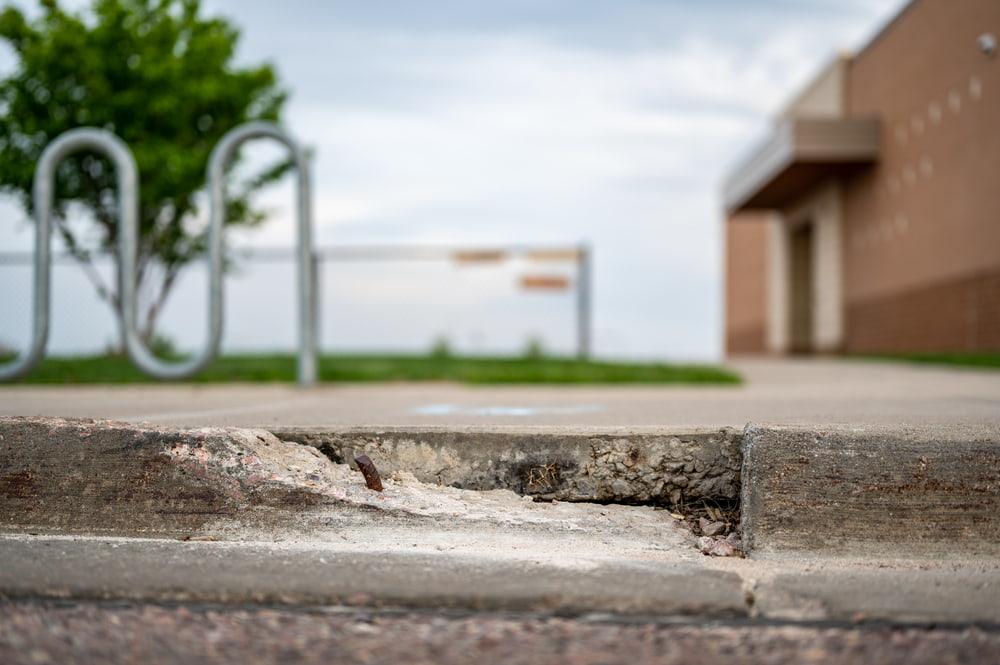
Most of us walk over the same stretch of sidewalk every day without giving it a second thought. But that concrete slab in front of your home or business is doing more work than it gets credit for, and when it starts to shift, sink, or crack, it can quietly turn into one of the most common causes of pedestrian injuries in any neighborhood. Understanding how sidewalks become uneven in the first place is the first step toward keeping the people who walk on them safe.
What Causes a Sidewalk to Become Uneven?
Concrete looks permanent, but the ground underneath it is anything but stable. A sidewalk slab is only as solid as the soil supporting it, and that soil is constantly moving in small, invisible ways.
Ohio's Freeze-Thaw Cycles
Ohio winters put concrete through a punishing cycle. Water seeps into small cracks, freezes, and expands, then thaws again as temperatures rise. Repeat that process over a few seasons and slabs begin to heave, tilt, or separate at the joints.
Tree Roots and Soil Shifting
Roots from nearby trees and landscaping often grow beneath walkways, pushing slabs upward from below. At the same time, heavy rain can wash soil out from under a sidewalk, while dry spells cause the ground to shrink, leaving gaps that slabs eventually settle into.
Age and General Wear
Every sidewalk has a lifespan. Years of foot traffic, vehicle weight from driveways, and simple weathering wear down concrete until it's more vulnerable to cracking and shifting than it once was.
Why Even a Small Height Difference Is Dangerous
Here's something that surprises many homeowners: a sidewalk doesn't need a dramatic crack to become a hazard. Safety researchers have found that people are far more likely to trip over small, unexpected changes in elevation than obvious ones, because the eye simply doesn't register them in time. Even height differences of around one-half inch or less may create a tripping hazard.
That's part of why accessibility guidelines and many local sidewalk standards require repairs whenever there's an abrupt change in surface level. It isn't about perfection. It's about removing the kind of surprise that a walking foot can't recover from.
Everyday Hazards That Add to the Risk
Uneven concrete rarely causes problems on its own. It usually combines with other everyday conditions to make a fall more likely.
● Obstructions like fallen branches, trash cans, or landscaping debris that force pedestrians to step around a raised edge instead of over flat ground
● Poor lighting that hides cracks and height changes from people walking at dusk or after dark
● Rain, snow, and ice that make an already uneven surface slick, especially where water pools in a sunken section of slab
Put any of these together with a heaved sidewalk joint, and a routine walk to the mailbox turns into a real risk, particularly for older adults, young children, and anyone using a wheelchair, walker, or stroller.
Restoring Safe, Even Surfaces With Professional Concrete Repair
The good news is that uneven sidewalks are fixable, and catching the problem early almost always makes the repair simpler. If you're dealing with a single sunken slab or you're ready to redo the walkway entirely, a professional assessment can tell you whether the concrete needs leveling, patching, or full replacement.
If you're also thinking about upgrading the look of your walkway while you're at it, stamped concrete services in Columbia Station from Clean Custom Concrete are worth exploring, as they combine a safer, more level surface with a finished look that withstands Ohio's weather. Reach out to Clean Custom Concrete to talk through what your property needs.
Who Is Responsible for Sidewalk Repairs?
Responsibility for a damaged sidewalk isn't always obvious, and it can catch homeowners off guard.
Property Owners
In many Ohio communities, the homeowner or business owner is responsible for maintaining the sidewalk directly in front of their property, even though the sidewalk itself sits on public right-of-way. That typically means regular inspection and prompt repair fall on you, not the city.
Local Municipalities
Some cities take on sidewalk maintenance themselves or share the cost with property owners through assessment programs. Either way, it's worth checking with your local building or public works department so you know exactly where your responsibility begins and ends.
Keeping Sidewalks Safe Before Problems Start
Prevention is almost always less disruptive than dealing with an injury claim or a costly emergency repair later on.
Simple Maintenance Steps
A little routine attention goes a long way toward keeping a walkway safe year-round.
● Walk your property periodically and look at the sidewalk from a pedestrian's eye level
● Clear debris, leaves, and standing water promptly
● Address drainage issues that direct water toward the sidewalk base
● Have any tree roots near walkways evaluated before they cause buckling
Signs You Shouldn't Ignore
● Slabs that rock or shift underfoot
● Visible gaps or raised edges between sections
● Cracks wide enough to catch a shoe or cane
● Water pooling in the same spot after every rain
Catching these early usually means a smaller, simpler fix.
Final Thoughts
Uneven sidewalks aren't just a cosmetic issue. They're among the more preventable safety hazards a property owner deals with, and staying ahead of the problem protects both the people walking past your home and your peace of mind.
If your property or business needs a broader assessment, from a single cracked walkway to a full parking area, working with experienced commercial concrete contractors in Berea, Ohio, like Clean Custom Concrete can help you address the issue properly the first time. Get in touch with us to schedule an evaluation and keep your walkways safe for everyone who uses them!
