


The Complete Guide to Choosing the Right Candle Packaging
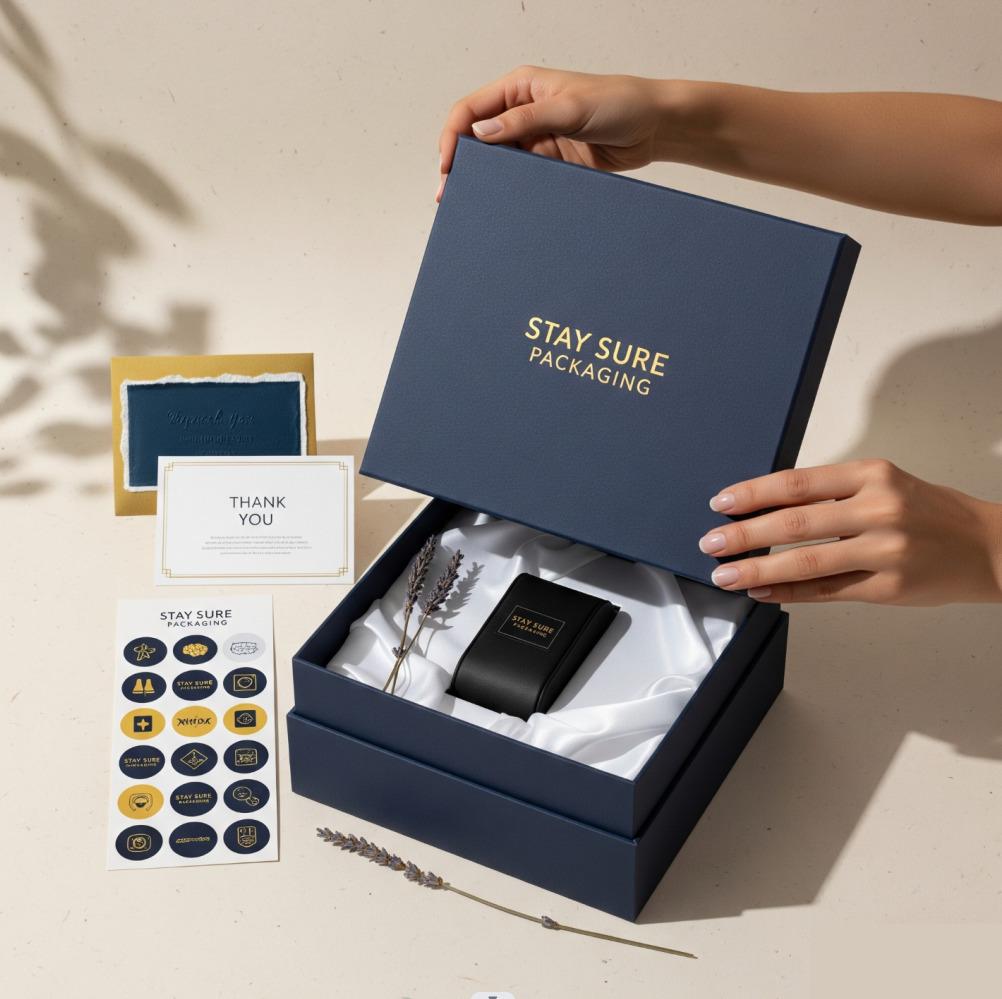
Candles tell a story. The box around them should say the same thing without shouting. The right packaging lifts perception, protects the product, and nudges customers to buy again. It also sets a path for shelf display, online images, and gifting moments. The stakes are simple: better packaging can mean stronger sales and a clearer brand voice.
Every candle line has its own vibe. Some lean premium and glassy. Others strive for eco-friendly and practical. Choosing packaging that fits your candles—and your buyers—takes a little planning and a lot of listening to your own brand. This guide walks you through real-world steps to pick packaging that fits your goals and your budget.
Chapter 1: Understanding candle packaging basics
What counts as candle packaging? It covers every touchpoint from outer cartons to inner wraps. The goal is protection, presentation, and a cue about value. The outer box, inner tray, and the candle container all play a part.
Primary vs secondary packaging matters for handling and branding. Primary is what the customer handles directly—the container or wrap. Secondary is the outer carton that goes on shelves or in shipping boxes. Both shape the unboxing moment and the perceived worth of the product.
Materials come in many flavors. Glass brings a premium look. Metal tins feel durable and reusable. Paper and kraft boxes speak to craft vibes. Plastic can offer lightweight protection. Composites mix strengths, but they can complicate recycling. Each texture tells a story about your candle.
Chapter 2: Key factors to consider when choosing packaging
Safety and flame resistance sit at the top. Packaging should guard the candle during transit and on the shelf. A tight fit helps prevent leaks and breaks.
Protective qualities and shelf life matter too. Good packaging slows scent loss and protects labeling print. A strong seal can help with tamper evidence and customer trust.
Aesthetic alignment with your brand guides every choice. Color, texture, and finish should echo your labels and marketing visuals. Consistency creates recognition.
Sustainability and recyclability connect with buyers. Recyclable materials and clear disposal guidance earn loyalty. Transparent sourcing matters just as much as the look.
Cost and scalability influence every decision. Start with a packaging system that can grow as you expand product lines. Plan for seasonal spikes and larger orders without breaking margins.
Chapter 3: Materials deep dive
Glass containers offer clarity and a premium feel. They showcase the candle and protect scent fidelity. Thick walls and tight lids reduce evaporation and accidents.
Metal tins and jars build a durable, travel-ready package. They’re often stackable and reusable, which buyers appreciate. Finish choices can range from matte to glossy to brushed metal.
Kraft and craft paper options deliver a rustic, handmade appearance. They pair well with soy or natural wax stories. Consider coatings or linings to improve durability and moisture resistance.
Plastic and alternative plastics can lower weight and cost. They’re easy to thermoform and recycle in some markets. Be mindful of recyclability labels and end-of-life options.
Inserts, padding, and inner packaging protect the candle during transit. Cardboard trays, bubble alternatives, and tissue help prevent movement. A well-made insert reduces damage and supports a premium feel.
Chapter 4: Packaging formats for different candle types
Pillar candles benefit from sturdy sleeves or sleeves with a separate protective wrap. A solid base keeps them from tipping in transit. Consider a window to hint at the candle color without compromising strength.
Jar candles do well with a rigid outer carton and a snug inner lid. A tamper-evident seal can reassure buyers about freshness. Clear labeling helps customers identify scent at a glance.
Votive and tealight packaging should be compact and protective. Slim cartons with inserts keep candles upright. Lightweight options help save on shipping costs.
Novelty shapes demand custom inserts to prevent shifting. A custom die-cut tray can hold odd shapes securely and beautifully. Seasonal and gift-ready packaging catches eyes and spurs impulse buys.
Travel and gift-ready packaging blends protection with a presentable look. A sleeve with a wrap or a ready-to-gift box makes buyers feel prepared. Simple, high-quality finishes win in this space.
Chapter 5: Labeling and compliance essentials
Required labeling elements vary by region, but a few basics are common. Brand name, fragrance, net weight, and safety notes show up on most packaging.
Tamper-evidence and safety seals add trust. A visible seal can reassure customers that the product is untouched. Use seals that align with the overall design rather than sticking out.
Brand consistency across labels matters. Font, color, and imagery should echo your website and store displays. A cohesive look makes your line instantly recognizable.
Chapter 6: Design considerations that impact packaging choice
Aroma can affect label readability. If a scent is strong, keep the label clean and readable. Too much text can overwhelm the design and hinder quick recognition.
Visual hierarchy is key for unboxing. The most important info should be legible first. Let the brand name and scent be the stars, with secondary details tucked neatly.
Color, finish, and print methods shape the feel. A matte finish can feel luxurious; a gloss can boost shelf presence. Think about how your fans will photograph the product for social posts.
Chapter 7: Sustainability strategies that resonate with buyers
Recyclability and compostability are real selling points. Clear guidance on disposal helps customers do the right thing. Packaging that is easy to recycle wins trust.
Reusable packaging ideas create long-term value. A tin that doubles as storage or a box that becomes a gift container adds perceived worth. Encourage reuse with simple, practical designs.
Sourcing and supply chain transparency matter. Share a bit about where materials come from and how they’re made. Buyers appreciate honesty and traceability.
Chapter 8: Cost optimization without sacrificing quality
Bulk purchasing and supplier negotiation can trim costs without harming look. Build relationships with suppliers who understand your needs. Small, frequent orders can work but plan ahead for bigger runs.
Standardization of packaging across products reduces complexity. A common carton size or insert can cut tooling and storage costs. It also speeds up fulfillment.
Balancing premium look with affordable options comes down to the right mix. Use high-impact elements like branding, typography, and material choices to elevate basic boxes.
Chapter 9: Case studies: packaging success stories
Boutique brand with premium glass packaging shows how clarity and weight signal quality. A tight lid, clean label, and elevated outer carton created a luxe perception that supported higher price points.
Eco-friendly line using recycled paper and metal tins proves sustainability can align with profitability. Recycled content, minimal inks, and reusable tins resonated with buyers who value the environment.
Gift-ready packaging that boosts average order value demonstrates the value of ready-to-gift concepts. A coordinated outer box and ribbon elevate the unboxing moment and encourage larger orders.
Chapter 10: A practical decision checklist
Step-by-step selection process keeps decisions grounded. Start with brand goals, then map materials to safety, shelf life, and cost. Validate with quick prototypes before full production.
Quick questions to ask suppliers include lead times, minimum order quantities, and durability guarantees. Ask about recycling guidance and any certifications. A clear answer saves back-and-forth delays.
Timeline from concept to shelf helps keep teams aligned. Block milestones for design, testing, sampling, and production. Regular check-ins prevent surprises.
Chapter 11: How to test packaging choices
Durability and drop tests reveal real protection. Simulate transit scenarios and assess damage after multiple handling touches. Use those results to adjust inserts and cushioning.
Print quality and color accuracy matter for a strong look. Compare proofs under different lighting to ensure legibility and true colors. A small mismatch can hurt brand perception.
Consumer feedback and A/B testing provide practical insights. Show variants to small groups and capture reactions. Let data guide refinements without overhauling the whole line.
Chapter 12: Implementation plan for your brand
Setting milestones keeps progress visible. Start with a pilot run and learn before scaling. A phased rollout reduces risk and pressure on operations.
Coordinating with production, fulfillment, and marketing keeps messaging aligned. Share packaging specs with the whole team. Clear briefs save iterations.
Managing packaging evolution over time means staying flexible. Track performance, gather buyer input, and adjust as needed. Small updates can refresh the look without a full rebrand.
Conclusion
Packaging that supports your story helps buyers connect with your candles. A thoughtful approach balances safety, look, and cost. The right choice echoes in reviews, reorders, and word-of-mouth, shaping growth with every shipment.
candle packaging boxes play a central role in how your candles are perceived, from the shelf to the checkout cart. Picking the right combination of container, outer carton, and inserts makes the unboxing feel intentional and special for your customers.
FAQs
What should I consider first when choosing candle packaging?
Start with safety, then think about style and brand alignment. A packaging that protects the candle and fits your visuals sets a solid foundation.
Are plastic options ever a good idea for candle packaging?
Yes, in some markets plastic can reduce weight and breakage. Check local recycling rules and aim for recyclable variants when possible.
How can packaging influence gift sales?
A gift-ready box with a premium feel makes customers more likely to buy as a present. A simple ribbon or sleeve can elevate the experience.
What’s a quick test to validate a packaging choice?
Run a small batch, do drop tests, and collect buyer feedback. Use the results to refine inserts and labeling before a full rollout.
How do I balance cost with a premium look?
Standardize packaging across products and invest in high-impact details like typography and embossing. Small, thoughtful touches can raise perceived value without a huge price tag.
