


Digital Printing on Fabric: Benefits, Process, and Applications
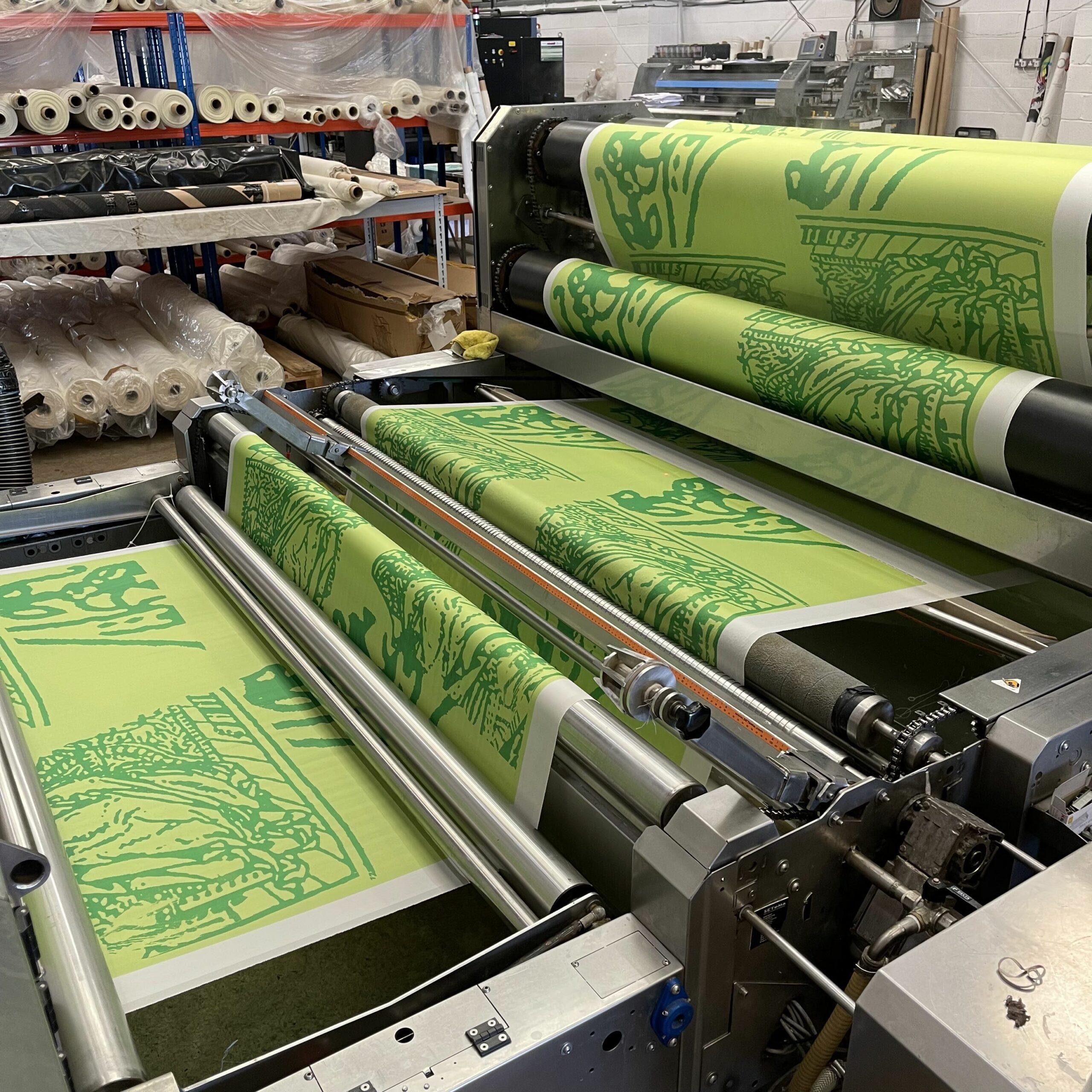
Digital printing on fabric has transformed the textile industry by making fabric decoration faster, more accurate, and highly customizable. Instead of relying on traditional printing methods that require screens or engraved rollers, digital textile printing uses advanced inkjet technology to apply designs directly onto fabric. This approach simplifies production while delivering outstanding image quality, vibrant colors, and precise details.
The popularity of digital printing on fabric continues to grow because businesses and consumers increasingly demand personalized products with shorter delivery times. Fashion brands, interior designers, promotional product manufacturers, and textile companies all benefit from digital printing because it supports both small custom orders and larger production runs. As printing technology continues to improve, digital textile printing is becoming an essential part of modern textile manufacturing.
What Is Digital Printing on Fabric?
Digital printing on fabric is a textile printing method that transfers digital artwork directly onto fabric using specialized textile printers. Unlike conventional printing processes, which require separate screens for each color, digital printing reproduces an entire design directly from a digital file.
The artwork is created using graphic design software and then sent to a textile printer equipped with advanced printheads. These printheads place microscopic droplets of textile ink onto the fabric with remarkable accuracy. Because everything is managed digitally, design modifications can be completed quickly without increasing production costs.
Digital printing is compatible with numerous fabrics, including:
-
Cotton
-
Polyester
-
Silk
-
Linen
-
Rayon
-
Canvas
-
Viscose
-
Cotton-polyester blends
The choice of fabric determines which type of textile ink and finishing process should be used for optimal results.
How Digital Printing on Fabric Works
Designing the Artwork
Every project begins with a digital design prepared using professional graphic design software. High-resolution files produce sharper images and more accurate color reproduction.
Preparing the Fabric
Many natural fabrics require pretreatment before printing. Pretreatment improves ink absorption, enhances color brightness, and increases resistance to washing.
Printing the Design
The prepared fabric is loaded into a digital textile printer. Thousands of tiny ink droplets are deposited directly onto the fabric according to the digital artwork, creating detailed and colorful prints.
Heat Fixation
After printing, the fabric undergoes heat treatment or steam fixation. This process permanently bonds the ink with the textile fibers, ensuring long-lasting print quality.
Finishing and Inspection
The printed fabric is inspected for color consistency, print accuracy, and overall quality before being prepared for sewing or delivery.
Types of Digital Printing on Fabric
Direct-to-Fabric Printing
Direct-to-fabric printing applies textile ink directly onto prepared fabrics. It is commonly used for cotton, linen, silk, and rayon because it produces soft prints with excellent color depth.
Dye Sublimation Printing
Dye sublimation is designed mainly for polyester fabrics. The design is first printed onto transfer paper and then permanently infused into the fabric through heat and pressure. The resulting print becomes part of the fabric itself.
Direct-to-Garment Printing
Direct-to-garment printing, commonly called DTG printing, applies designs directly to finished garments such as T-shirts, hoodies, tote bags, and sweatshirts. It is widely used by print-on-demand businesses.
Advantages of Digital Printing on Fabric
Excellent Print Quality
Digital textile printers produce crisp details, vivid colors, smooth gradients, and highly accurate reproductions of photographs and illustrations.
Unlimited Design Possibilities
Designers are not limited by the number of colors used in a design. Complex graphics and intricate patterns can be printed without additional setup costs.
Faster Production
Because digital printing eliminates screen preparation, production begins almost immediately after artwork approval. This significantly reduces turnaround times.
Cost Effective for Small Orders
Digital printing is ideal for prototypes, customized products, and limited production runs because setup costs remain low regardless of order size.
More Sustainable Manufacturing
Many digital textile printing systems consume less water, generate less waste, and use ink more efficiently than traditional textile printing methods, helping businesses reduce their environmental impact.
Applications of Digital Printing on Fabric
Fashion and Apparel
Fashion brands use digital printing to create shirts, dresses, jackets, scarves, leggings, and seasonal collections featuring unique artwork and customized patterns.
Home Textiles
Digitally printed fabrics are commonly used for curtains, bedding, upholstery, cushions, tablecloths, and decorative accessories.
Sportswear
Sportswear manufacturers produce personalized jerseys, activewear, cycling clothing, and team uniforms with vibrant colors and durable graphics.
Promotional Products
Businesses print logos and marketing designs on tote bags, banners, flags, exhibition displays, and branded merchandise for advertising campaigns.
Interior Decoration
Hotels, offices, restaurants, and residential spaces use digitally printed fabrics to create customized interiors that match specific design concepts and brand identities.
Practical Benefits and Key Insights
Easy Product Personalization
Digital printing makes it simple to produce customized products without interrupting production or creating expensive new printing screens.
Faster Product Development
Design changes can be completed quickly because artwork remains in digital format throughout the entire production process.
Reduced Inventory Costs
Print-on-demand manufacturing allows businesses to produce only what customers order, minimizing storage costs and reducing excess inventory.
Reliable Color Consistency
Modern digital textile printers maintain consistent color reproduction across multiple production batches, ensuring dependable product quality.
Greater Creative Freedom
Designers can create photographic images, artistic illustrations, detailed textures, and complex color transitions that would be difficult to achieve using conventional textile printing methods.
Common Challenges and Considerations
Equipment Investment
Industrial digital textile printers require significant investment. Many smaller companies choose to outsource production to specialized printing providers.
Fabric Compatibility
Different fabrics absorb textile inks differently. Choosing the correct fabric and ink combination is essential for obtaining professional-quality results.
Color Calibration
Accurate color reproduction requires proper printer calibration, color profiling, and regular quality control throughout production.
High-Volume Manufacturing
Digital printing is highly effective for customized work and short production runs. For extremely large production volumes, traditional screen printing may still be more economical in some situations.
Routine Maintenance
Regular printer maintenance helps prevent clogged printheads, improves reliability, and maintains consistent print quality.
Frequently Asked Questions
1. What is digital printing on fabric?
Digital printing on fabric is a textile printing process that applies digital artwork directly onto fabric using specialized inkjet printers without requiring traditional printing screens.
2. Which fabrics are suitable for digital printing?
Cotton, polyester, silk, linen, rayon, canvas, viscose, and blended fabrics can all be digitally printed using compatible textile inks.
3. Is digital printing on fabric durable?
Yes. Proper pretreatment, high-quality textile inks, and correct heat fixation produce prints that resist fading and repeated washing.
4. Is digital textile printing environmentally friendly?
Compared with many conventional textile printing methods, digital printing generally reduces water consumption, minimizes waste, and improves ink efficiency, making it a more sustainable option.
5. Why is digital printing popular for customized products?
Digital printing supports rapid production, low setup costs, excellent image quality, and economical short production runs, making it ideal for personalized products.
Conclusion
Digital printing on fabric has become one of the most valuable innovations in modern textile manufacturing. It combines advanced printing technology with outstanding flexibility, allowing businesses to create customized textiles quickly while maintaining exceptional print quality. From fashion apparel and home furnishings to sportswear and promotional products, digital printing supports a wide variety of commercial and creative applications.
As technology continues to advance, digital textile printing will become even more efficient, sustainable, and versatile. Improvements in printers, textile inks, and production processes will further enhance quality while reducing environmental impact. Businesses that invest in digital printing on fabric can improve productivity, respond quickly to customer demand, and deliver distinctive products that stand out in today's competitive textile market.
